

1. Introduction
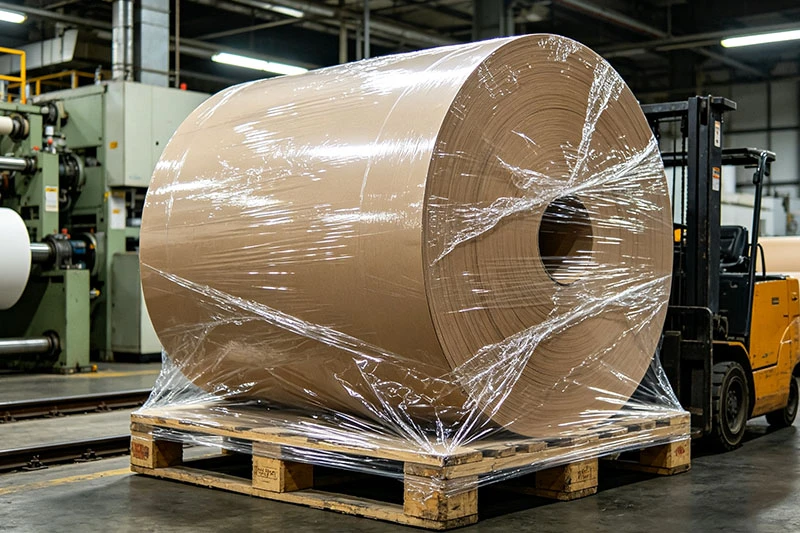
In modern warehousing, logística, i gestió de la cadena de subministrament, pel·lícula estirament manual serves as a foundational and indispensable flexible packaging material. Tradicionalment, L'assegurament de les mercaderies per al transport es basava en gran mesura en bandes de corretja, cintes adhesives, o caputxes retràctils. Tot i que eficaç en escenaris específics, aquests mètodes sovint introdueixen reptes com una pressió localitzada alta, residu d'adhesiu, or the need for specialized heating equipment. Pel·lícula estirada has largely supplanted or supplemented these traditional methods by offering an efficient, cost-effective, and highly adaptable alternative. The core value of pel·lícula estirament manual lies in its complete independence from heavy machinery, providing exceptional operational flexibility for manually bundling, consolidating, and protecting unitized loads. This comprehensive guide details its technical attributes, parameters, and practical industrial selection criteria.
2. Core Material and Basic Attributes
The exceptional performance of pel·lícula estirament manual is rooted in its primary raw material: Linear Low-Density Polyethylene (LLDPE). Utilizing advanced multi-layer co-extrusion blown or cast film processes, this specific polymer matrix endows the final product with a distinct suite of physical properties:
- High Toughness and Elongation: The molecular structure of LLDPE allows the film to undergo significant elastic deformation without immediate failure, providing excellent holding force.
- Tear and Puncture Resistance: It effectively withstands the sharp corners of cartons and irregular pallet edges, maintaining containment integrity under stress.
- Self-Adhesiveness (Cling): The film features inherent tackiness on one or both sides without the use of chemical glues, ensuring layers bond firmly to one another while leaving zero residue on the product surface.
In industrial procurement, a critical distinction must be made between 100% virgin resin production and recycled-content alternatives. Virgin LLDPE ensures optical clarity, consistent tensile strength, predictable cling properties, and a completely non-toxic, odorless finish. Conversely, pel·lícules estirables manufactured with recycled materials often suffer from yellowing or cloudiness, reduced puncture resistance, brittle behavior under tension, and inconsistent thickness, which drastically increases film breakage rates during manual application. While the standard product is optically clear to facilitate barcode scanning and label reading, custom opaque or tinted color variations (such as black, blue, or green) are widely utilized for inventory color-coding, security screening, and UV-sensitive cargo protection.
3. Core Technical Parameters
To ensure safety and compatibility across global supply chains, hand stretch films conform to standardized industrial parameters. Procurement and QA personnel evaluate these products based on the following metrics:
| Technical Metric | Standard Industry Specification | Functional Description |
| Nominal Thickness | 15μm – 20μm (Industry Standard: 20μm) Specialized variations: 7μm (Pre-stretched ultra-thin) to 22μm+ (Heavy-duty) | Direct determinant of puncture resistance and load containment force. |
| Standard Width | 450mm i 500mm Slit rolls available from 50mm to 450mm | 450-500mm provides optimal coverage per wrap for standard pallets; slit widths handle narrow profiles. |
| Tensile Stretch Rate | 200% – 400% | Dictates how far the film can be elongated manually before yielding, optimizing material yield. |
| Adhesive Profile | Glue-free intrinsic cling (Single or dual-sided) | Generates cross-layer friction and adhesion under tension, preventing unravelling. |
4. Key Advantages of Pel·lícula d'estirament manual
Hand stretch film offers unique operational advantages over automated machinery:
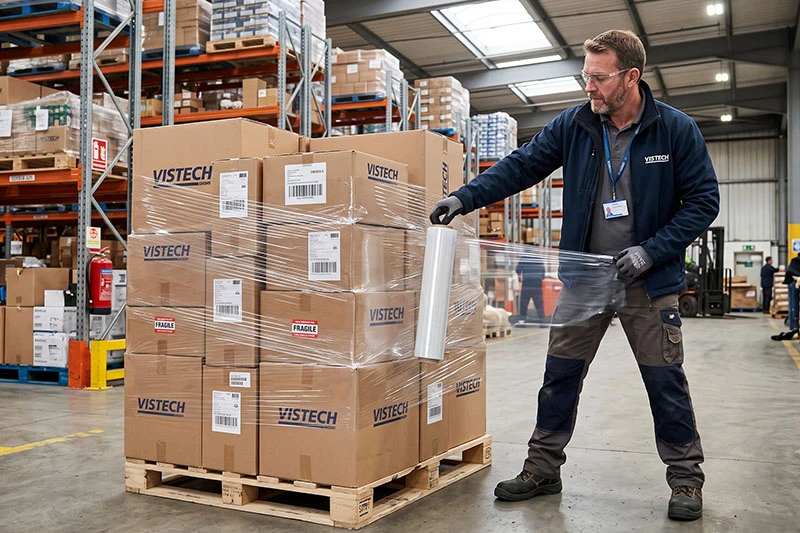
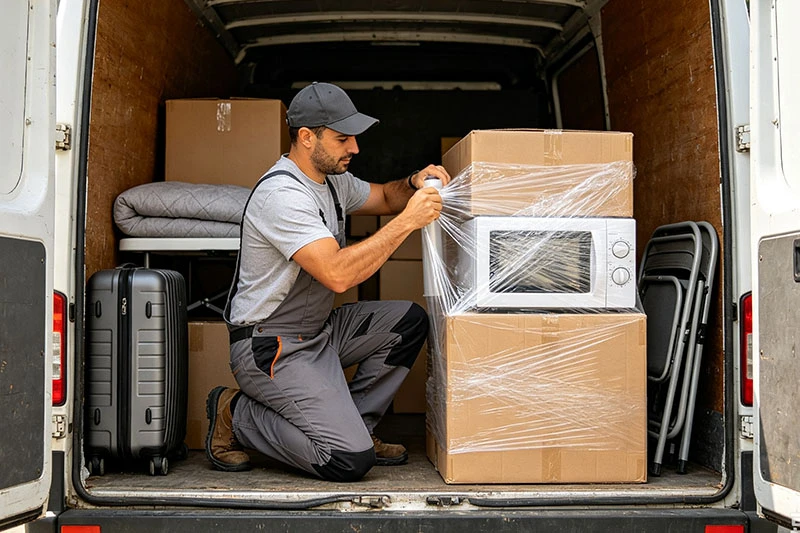
- High Operational Agility: It requires no capital investment in wrapping machinery. Operators can wrap loads anywhere on the facility floor, making it ideal for decentralized, low-volume, or temporary staging environments. It can also be paired with simple mechanical hand dispensers to reduce friction and operator fatigue.
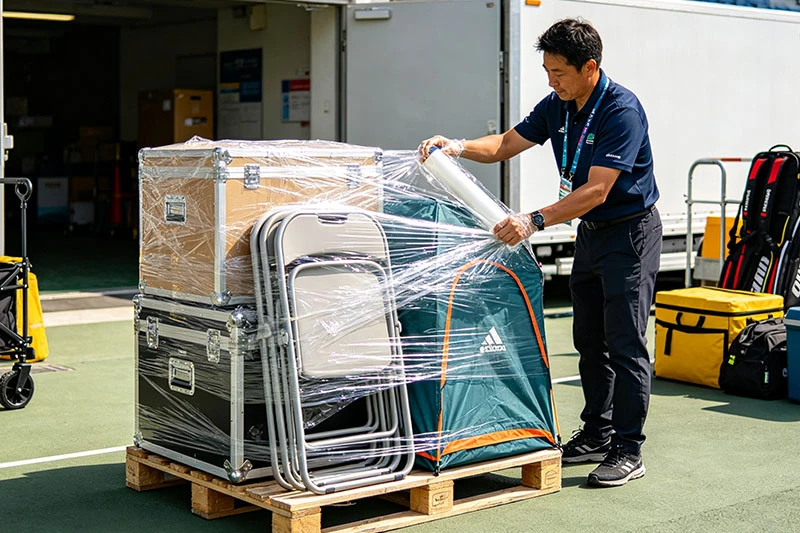
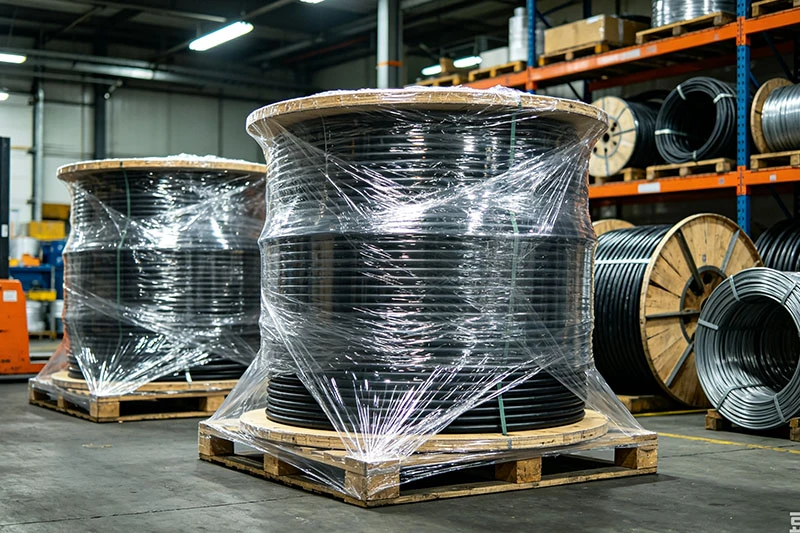
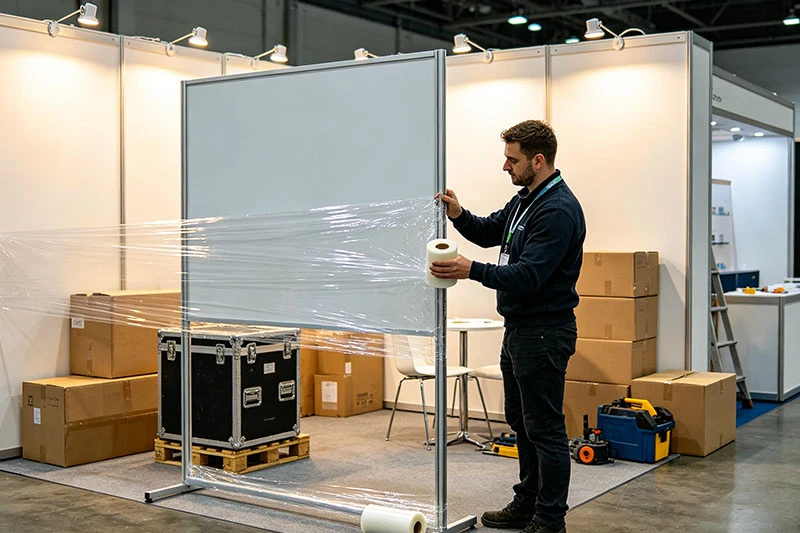
- Universal Geometric Adaptation: Hand application allows the operator to dynamically adjust the wrapping angle, overlap, and tension. This makes it uniquely suited for stabilizing irregular, non-uniform payloads, long pipes, building materials, and mixed-SKU pallets.
- Robust Load Stabilization: Multi-layer application creates a uniform, continuous compressive force around the load. This prevents shifting, tipping, or abrasion during transit while acting as a barrier against dust, ambient moisture, and rain.
- Favorable Low-Volume ROI: For small-to-medium enterprises (SMEs) or regional retail hubs where daily pallet throughput is low, pel·lícula estirament manual bypasses the high upfront depreciation and maintenance costs of automated wrappers.
- Contamination-Free Removal: Because the film relies entirely on intrinsic cling rather than chemical adhesives, it strips away cleanly without leaving tack marks, staining, or tearing the underlying product packaging.
5. Mainstream Application Scenarios
The versatility of pel·lícula estirament manual makes it a standard cross-industry consumable:
- Logistics & Warehousing: Stabilizing standardized palletized goods, consolidating LTL (Less-Than-Truckload) consignments, and securing cross-docked freight.
- E-Commerce Fulfillment: Bundling multi-item orders, securing loose parcels, and sealing outer cartons to deter pilferage.
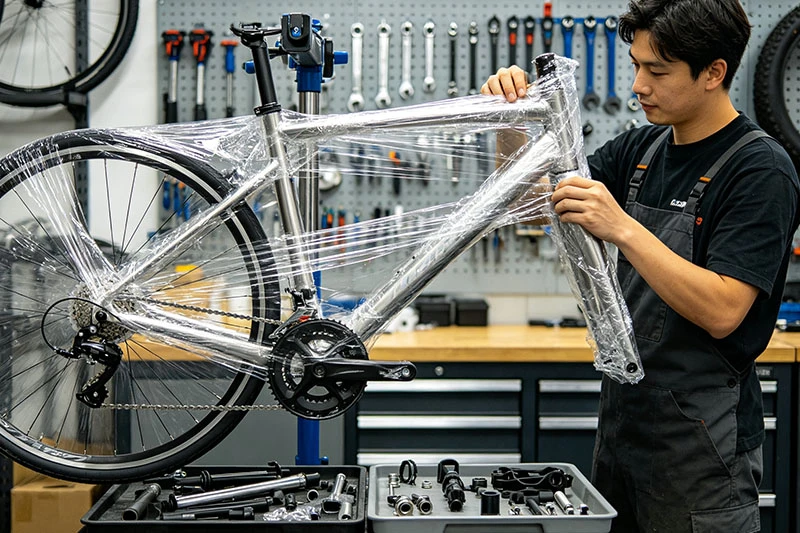
- Manufacturing & Construction: Spiral-wrapping long-axis materials such as aluminum extrusions, PVC piping, steel rods, and raw timber profiles.
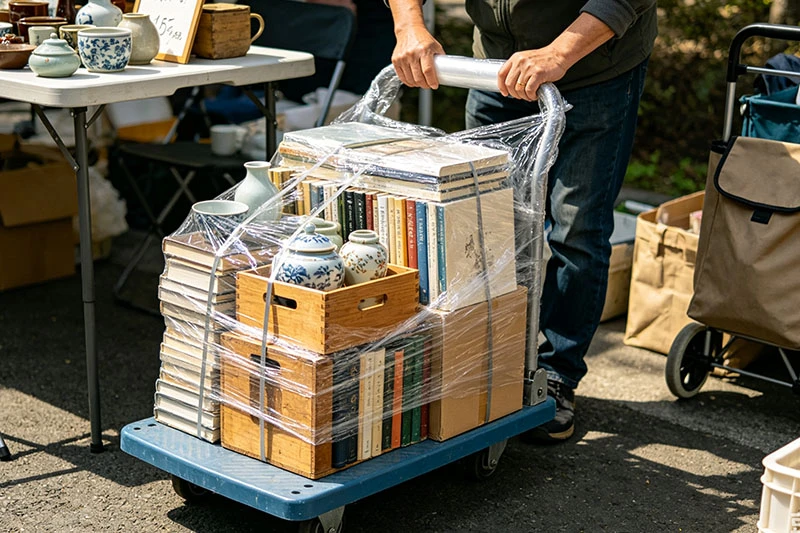
- Retail & Inventory Control: Organizing seasonal stocks, binding promotional product bundles, and protecting finished furniture or appliances from scratches during localized distribution.
6. Technical Comparison: Hand vs. Pel·lícula estiradora a màquina
Understanding the distinct differences between pel·lícula estirament manual i pel·lícula estiradora de màquina prevents misapplication and optimizes packaging efficiency:
                  ┌────────────────────────────────────────┐
                  │      STRETCH FILM CATEGORIZATION       │
                  └───────────────────┬────────────────────┘
                                      │
            ┌─────────────────────────┴─────────────────────────┐
            ▼                                                   ▼
┌───────────────────────┐                           ┌───────────────────────┐
│   **HAND STRETCH FILM**   │                           │  **MACHINE STRETCH FILM** │
├───────────────────────┤                           ├───────────────────────┤
│ • No equipment needed │                           │ • Requires wrappers   │
│ • Lower thickness     │                           │ • Higher gauge/yield  │
│ • Decoupled/Irregular │                           │ • Standardized pallets│
│ • Manual labor input  │                           │ • Automated/Low labor │
└───────────────────────┘                           └───────────────────────┘
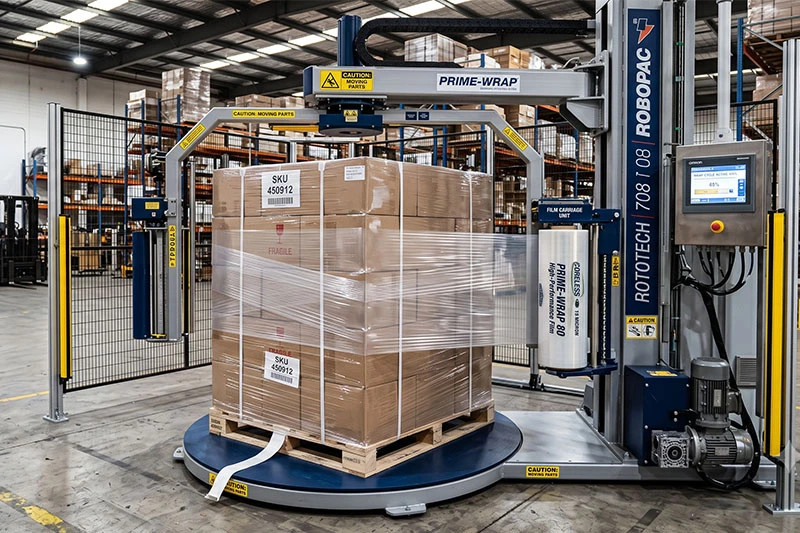
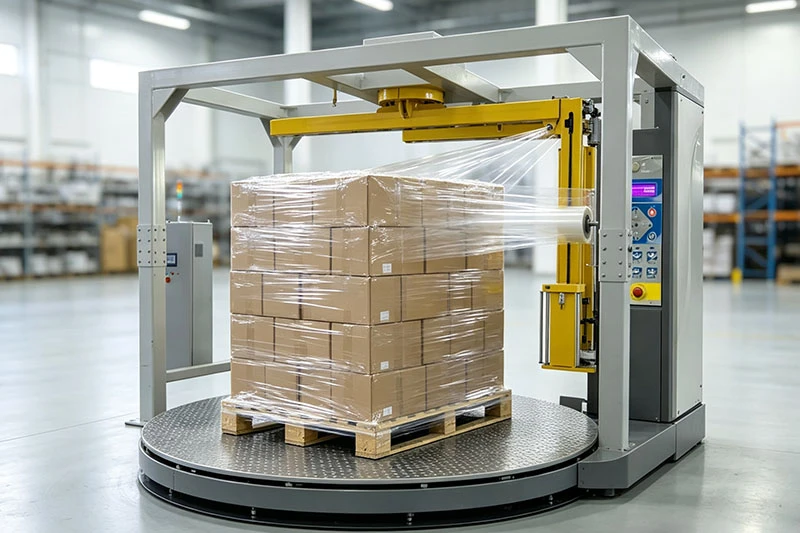
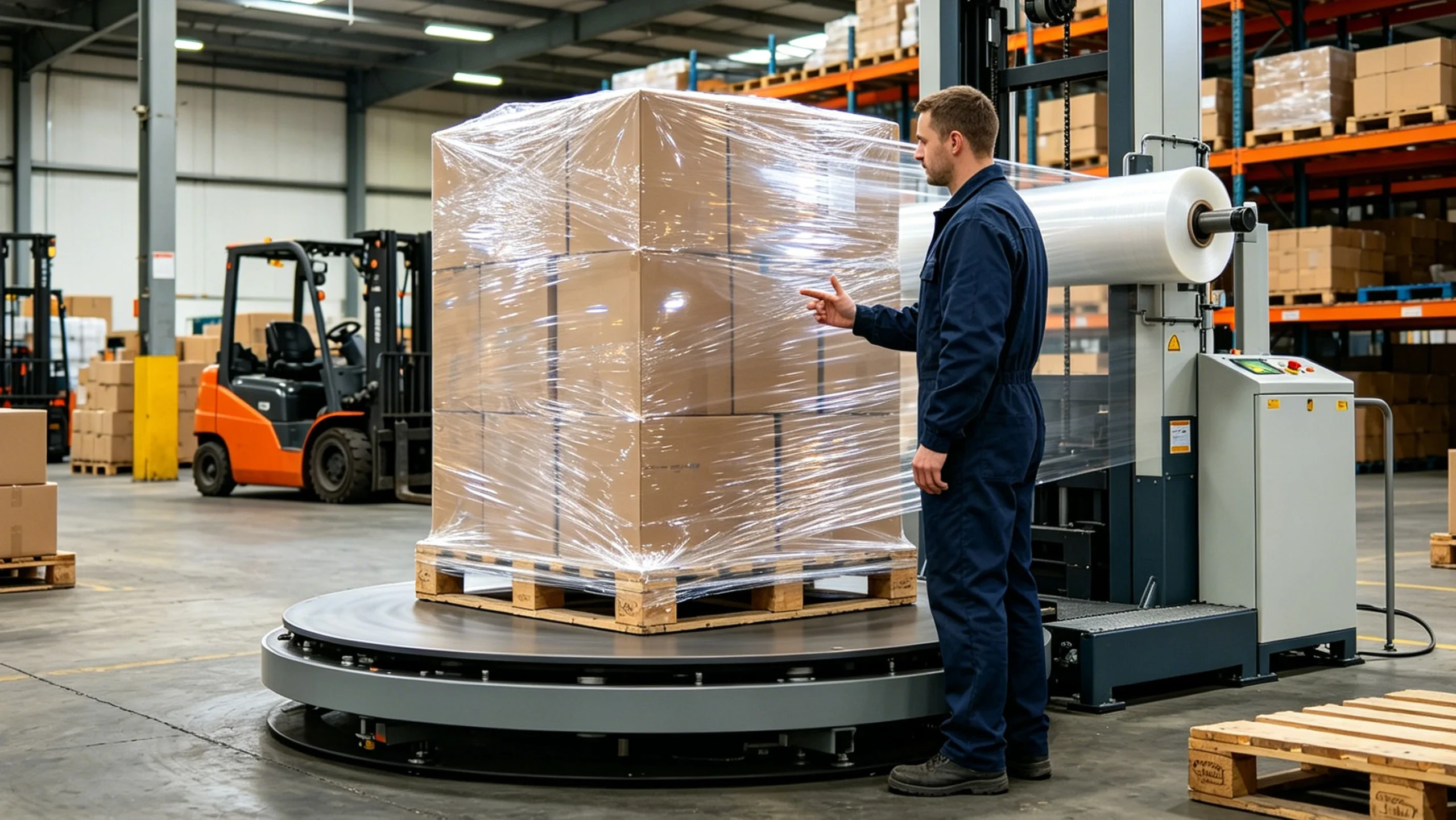
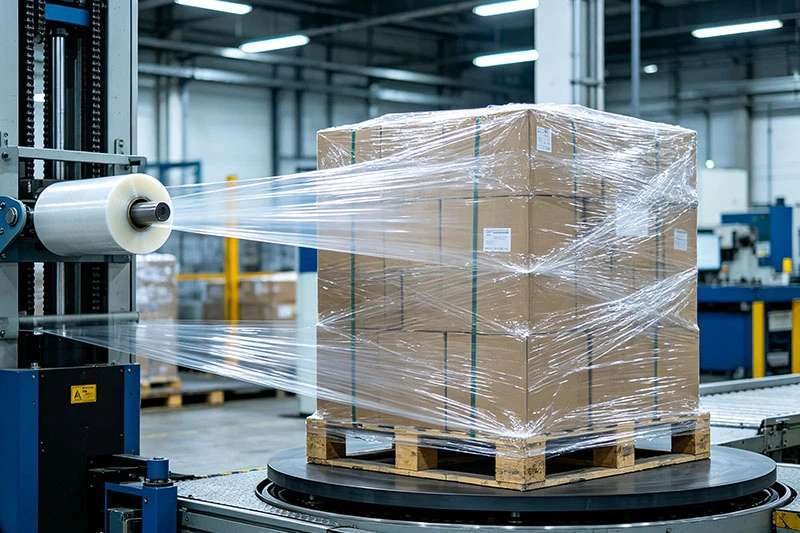
- Application Methodology: Hand stretch film is applied entirely via manual labor, requiring light roll weights (typically under 4kg) for operator ergonomics. Machine stretch film is mounted onto semi-automatic or fully automatic turntable, rotary arm, or orbital wrapping machinery, accommodating much heavier master rolls (15kg+).
- Thickness and Tensile Formulations: Hand stretch films are engineered to be thinner (typically 15μm-20μm) with a highly yielding formulation, allowing operators to reach optimal tension without excessive physical exertion. Machine stretch films utilize higher gauge thicknesses (up to 30μm+) and advanced polymer designs capable of enduring high mechanical pre-stretch ratios (up to 250%-300% stretch amplification via motorized rollers).
- Throughput Scaling: Hand stretch films target low-frequency, variable, or fragmented packaging flows. Machine stretch films are reserved for high-volume, centralized, and highly standardized assembly lines where rapid cycle times are mandatory.
- Consistency and Total Cost Performance: Hand wrapping inevitably introduces human variability, resulting in inconsistent containment force and higher per-unit labor costs. Machine wrapping delivers mathematically uniform tension, optimized film consumption per pallet, and significantly lower total operational costs when scaled across high-volume production.
7. Selection Criteria and Operational Best Practices
Selection Guidelines
Selecting the correct film specification depends entirely on the physical characteristics of the load:
- Lightweight / Non-Fragile Loads: For uniform carton pallets undergoing short-haul transit, a 15μm – 17μm hand stretch film minimizes material weight and cost per pallet.
- Heavy / Irregular / Sharp Payloads: For heavy machinery parts, building materials, or loads with exposed metallic corners, a 20μm or thicker hand stretch film prevents punctures and ensures adequate load retention.
- Sub-Bundling and Profiles: For narrow components, tubes, or small parcel grouping, specifiers should select narrow slit widths (50mm – 250mm) of pel·lícula estirament manual to reduce material waste.
Operational Protocols
To maximize containment force and minimize film breakage, operators should adhere to standard wrapping techniques:
- Secure the Anchor: Tie or wrap the film tail firmly around the base of the pallet core before initiating the wrapping cycle.
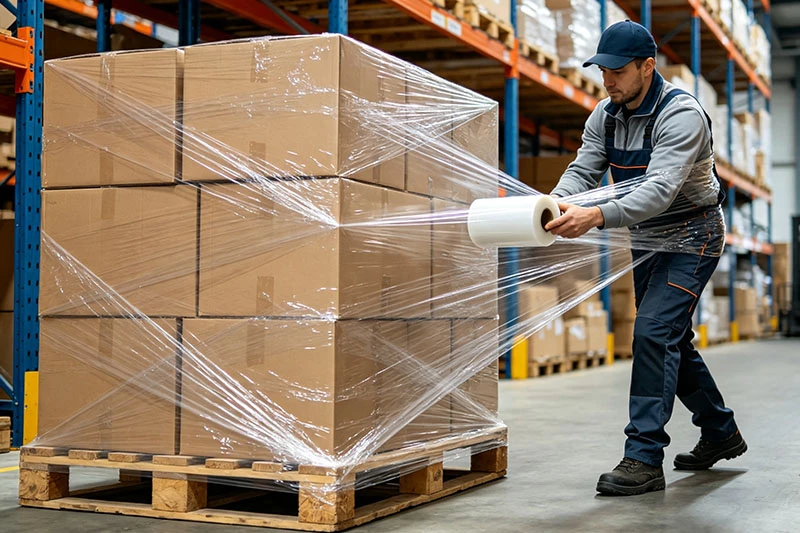
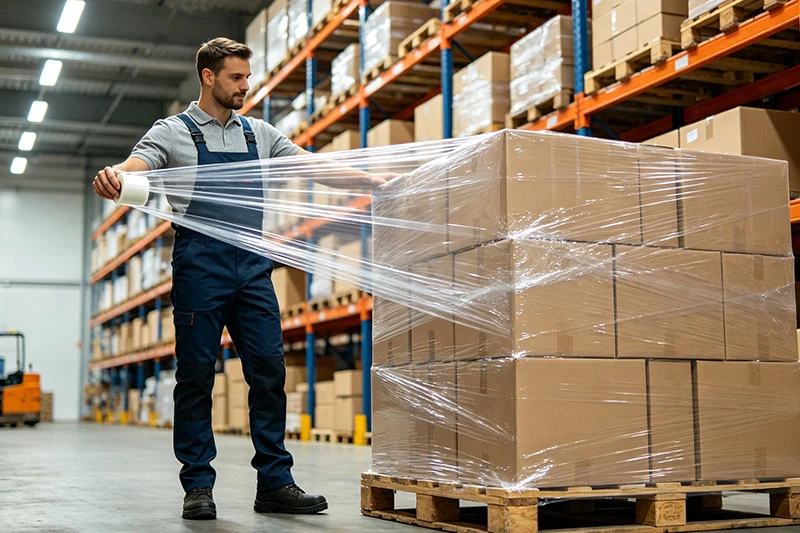
- Apply Uniform Pre-Stretch: Pull the pel·lícula estirament manual consistently to achieve roughly 50% to 70% of its manual elongation capacity. Wrapping the pel·lícula estirament manual loosely without tension compromises the stability of the load.
- Implement Cross-Layer Overlapping: Maintain a consistent 50% overlap on consecutive upward spirals. Double-wrap the base pallet junction and the top crown to reinforce structural weak points.
Storage Conditions
To prevent premature degradation of the LLDPE polymer matrix:
- Environmental Controls: Store pel·lícula estirament manual rolls in a clean, dry warehouse environment away from direct moisture.
- Temperature Restraints: Avoid prolonged exposure to direct sunlight (UV degradation) or elevated radiant heat sources (above 40°C), which can artificially accelerate polymer aging and cause the pel·lícula estirament manual layers to fuse together on the roll, ruining its cling properties.
8. Conclusió
Hand stretch film remains an essential component of modern industrial packaging. Its fundamental value is derived from its simplicity, flexibility, and exceptional cost-to-performance ratio in low-to-medium volume applications. By selecting the correct gauge thickness, understanding material parameters, and enforcing proper manual application techniques, enterprises can ensure optimal load containment, mitigate transit damage, and achieve predictable, streamlined warehouse operations.