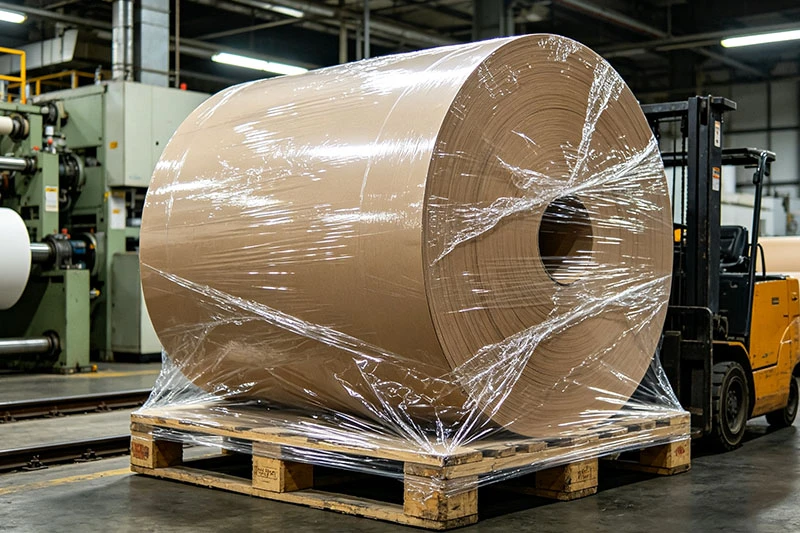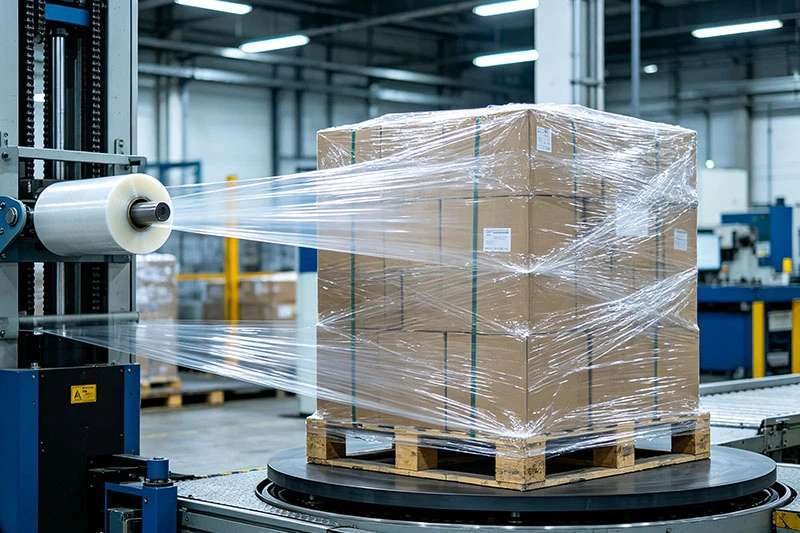


Se gestionate un magazzinu d'altu voluminu o un centru logisticu, sapete digià chì i costi di imballaggio sò un articulu di linea maiò. But what if a significant chunk of your film stretch budget is literally going into the trash?
Cum'è un consulente di imballaggio industriale cù più di una dicada di sperienza in magazzinu, Auditu regularmente e linee di imballaggio. Even in 2026, with advanced automation readily available, I consistently find the same patterns: facilities are bleeding money due to invisible inefficiencies.
Here are the 3 hidden mistakes that are likely wasting up to 30% of your film stretch budget right now—and exactly how to fix them.
Mistake 1: Relying on the “Più grossu hè megliu” Mitu (And Buying by the Pound)
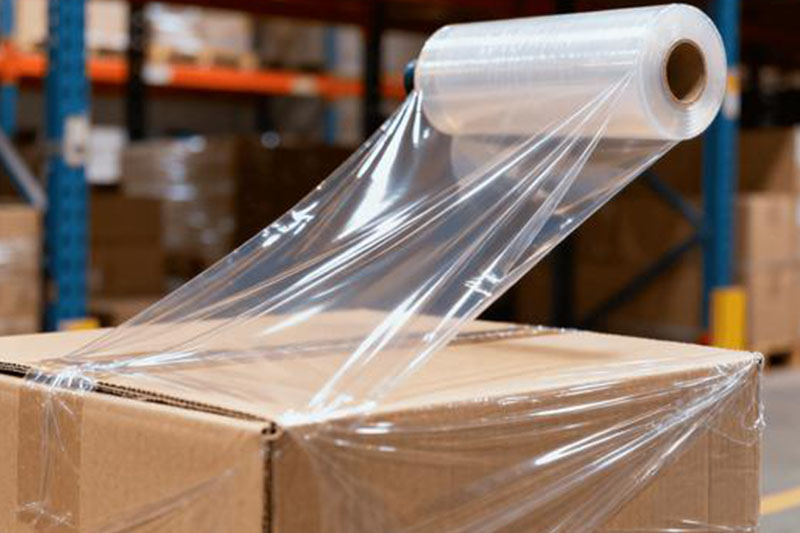
The most common mistake on the warehouse floor is assuming that a thicker filmu guarantees a safer pallet load. Many procurement managers still buy standard 80-gauge (20-micron) or 90-gauge (23-micron) traditional stretch wraps, believing that heavy-duty plastic is the only way to prevent shifting during transit.
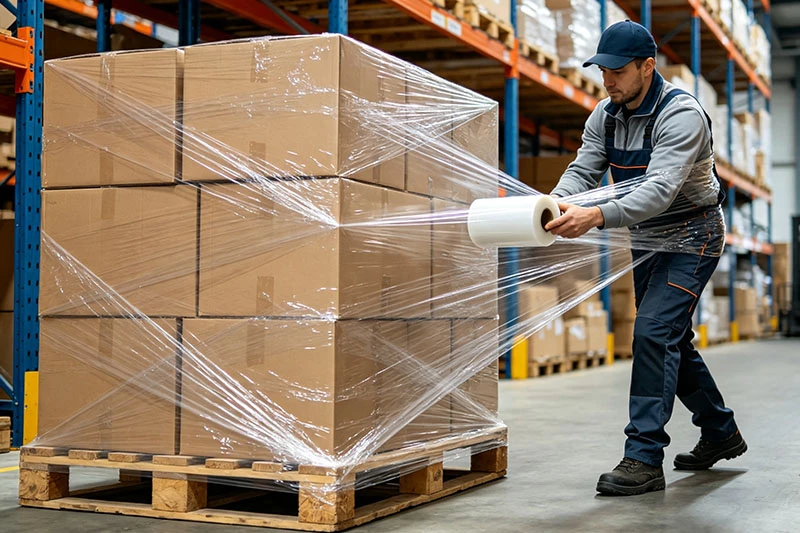
- The Waste: Buying by heavy roll weight or thickness is an outdated metric. Thick filmi made from legacy resins are stiff and tear easily when they hit sharp carton edges or wooden pallet corners. Operators end up overwrapping the load with 6 à 8 layers to compensate.
- U 2026 Fix: Switch to engineered multi-layer nano-stretch films. These high-performance filmi utilize specialized LLDPE resin formulas that allow you to “down-gauge” to a 12-micron or 14-micron filmu without sacrificing containment force. Because the filmu is thinner yet structurally stronger, you pull fewer total pounds of plastic off the roll per pallet, instantly slashing material consumption by 15% à 20%.
Mistake 2: Leaving Automated Wrapping Machines at Factory Default Settings
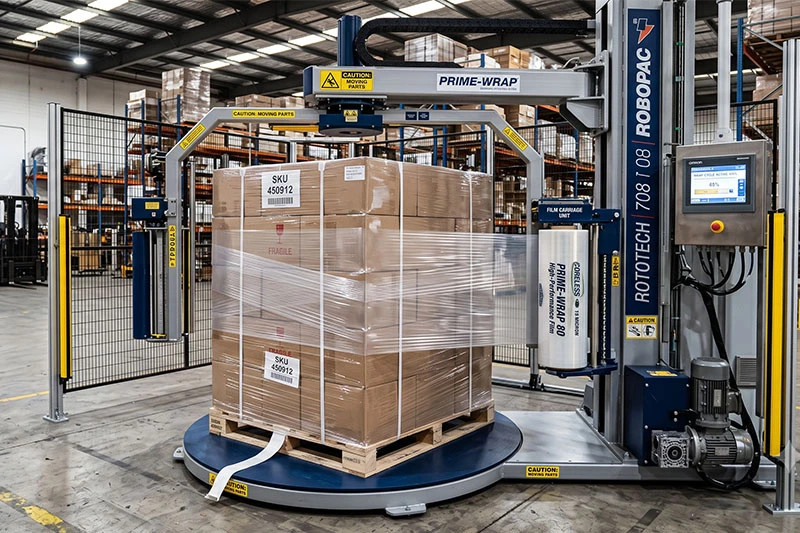
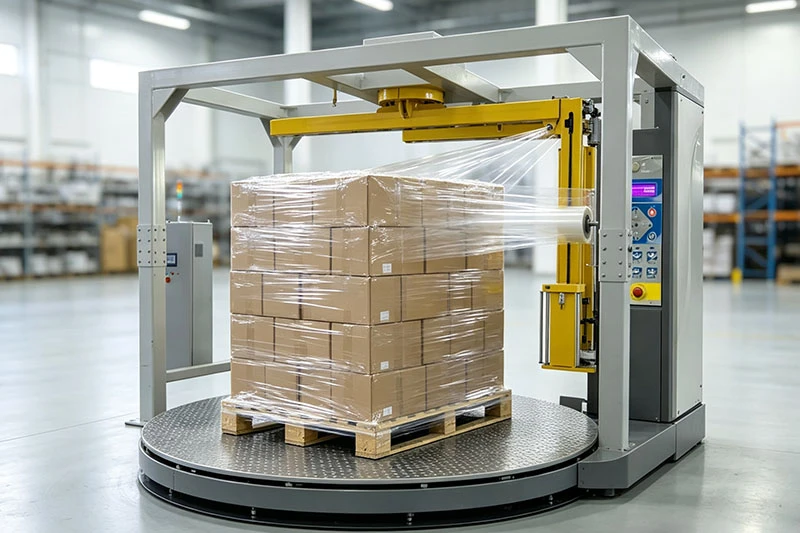
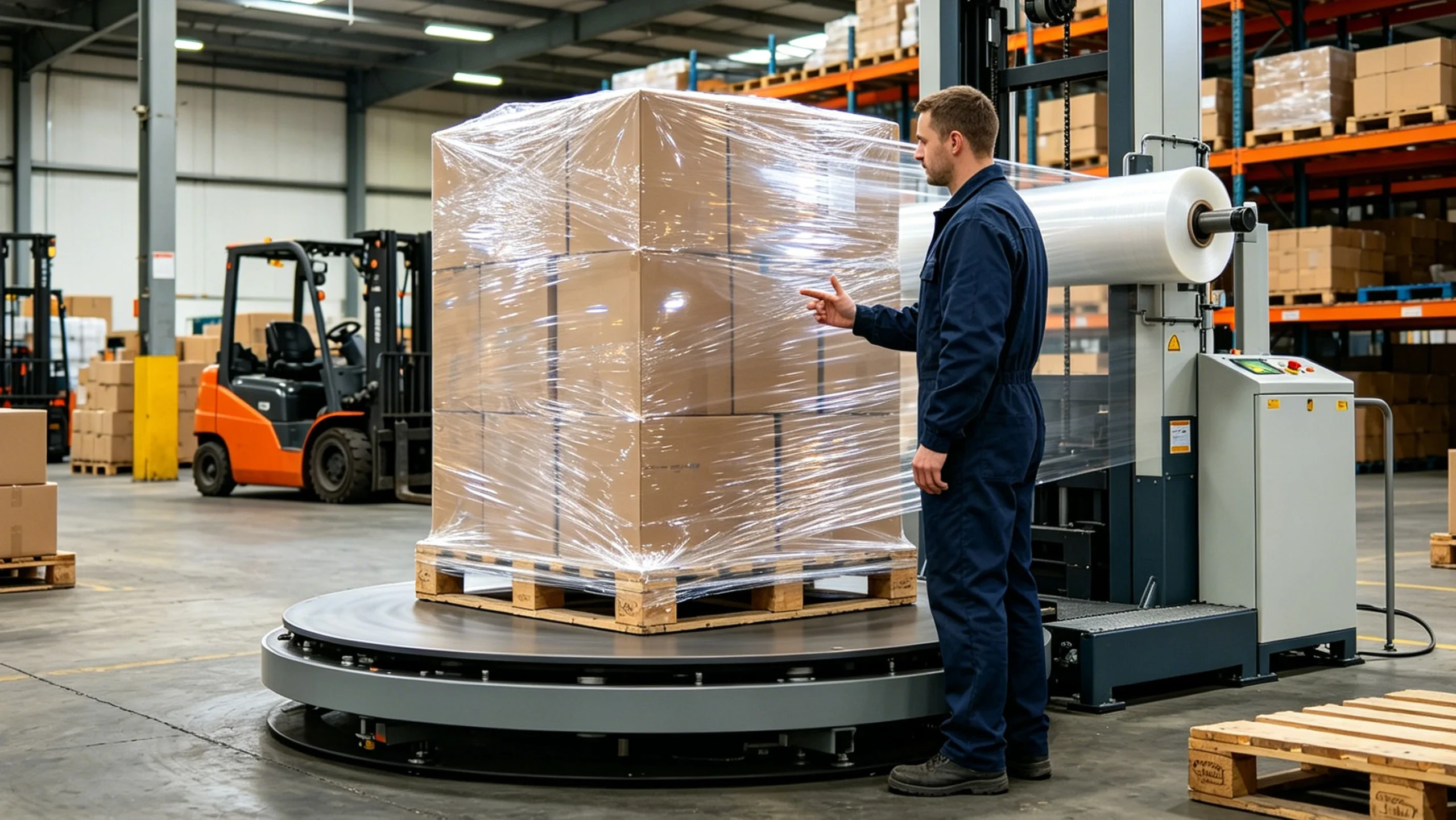
If you bought a high-quality turntable or rotary arm pallet wrapping machine and haven’t calibrated its pre-stretch settings since installation, you are burning cash. Most older or uncalibrated machines run at a basic mechanical pre-stretch ratio of 100% à 150%.
- The Waste: When a machine doesn’t adequately stretch the plastic before it hits the pallet, you aren’t activating the film’s structural yield point. You end up using twice as much linear footage of filmu as necessary to wrap a single load.
- U 2026 Fix: Pair a premium machine-grade stretch film with a power pre-stretch carriage calibrated to 250% o 280%.
The Math: By optimizing the pre-stretch ratio to 280%, a single meter of raw filmu on the roll stretches out to nearly 3.8 meters of protective wrap on the pallet. This simple calibration can drop your filmu consumption from 1.2 meters down to 0.7 meters per pallet. For a mid-sized facility processing 1,000 pallets a month, this adjustment alone can save upwards of $500 à $700 monthly.
Mistake 3: Ignoring Containment Force (Leading to “Gull-Winging” and Costly Re-Wraps)
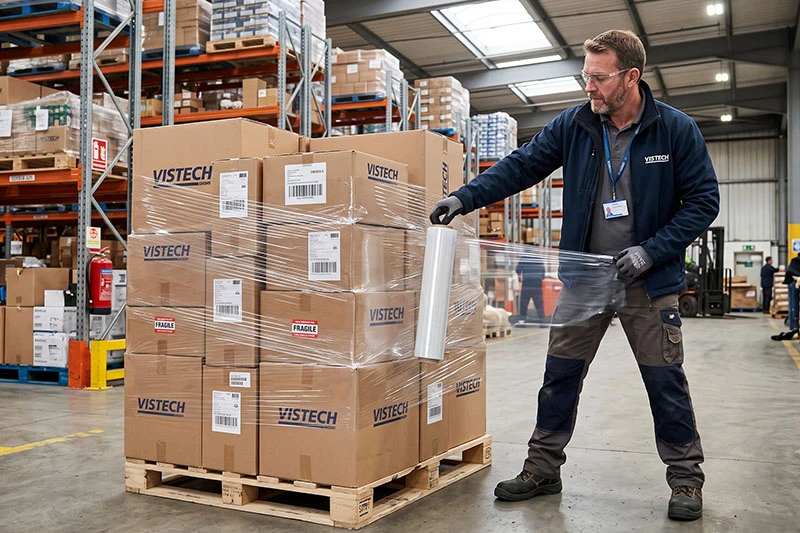
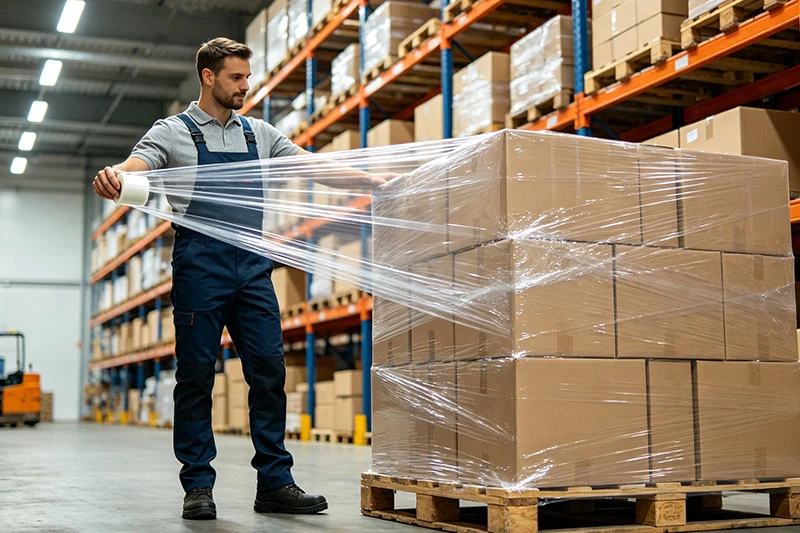
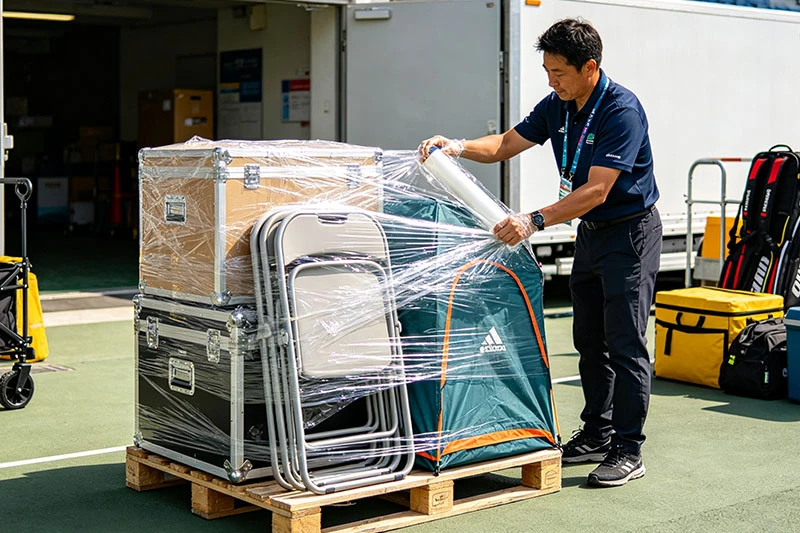
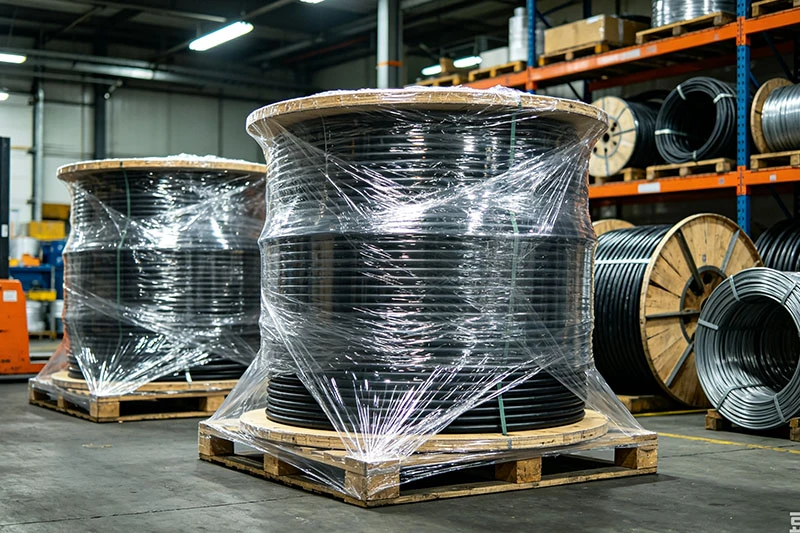
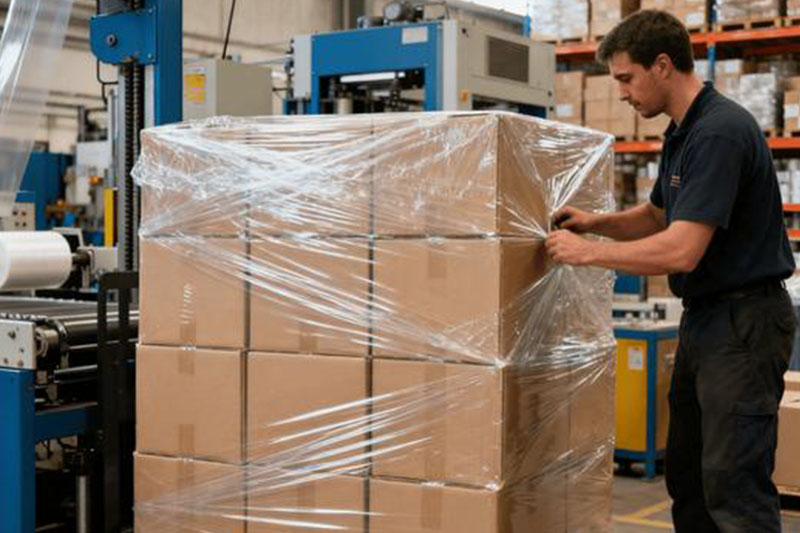
Warehouse teams often mistake a “tight-looking wrap” for a secure wrap. Without measuring actual containment force
- The Waste:
- U 2026 Fix:
- The Base:
- The Body:
- The Top: Use a top-sheet wrap to protect against dust and locking the top layer.
U 2026 Compliance Bonus: Lowering Your EPR Liability
Fixing these three mistakes doesn’t just save you direct material costs; it also protects you from modern legal penalties. Under 2026 Extended Producer Responsibility (EPR) laws across states like California, Oregon, and Colorado, companies face weight-based taxes on the transport packaging they introduce into the supply chain.
By down-gauging your filmu and optimizing your pre-stretch ratios, you dramatically lower the physical weight of plastic leaving your facility. Less plastic weight means lower EPR tax fees
Summary Checklist to Reclaim Your Budget
| Inefficient Baseline | Optimized 2026 Strategy | Expected Budget Savings |
| Buying thick, legacy 20-micron filmi | Switching to high-performance, thin nano-filmi | 10% – 15% |
| Leaving pre-stretch at 100% – 150% | Calibrating machine power pre-stretch to 280% | 15% – 20% |
| Guessing tension (“eyeballing” the load) | Implementing measured containment force profiles | Eliminates re-wraps & transit damage |
Stop treating film stretch like a mindless commodity. Treat it like a calibrated science, and watch your packaging overhead plummet.