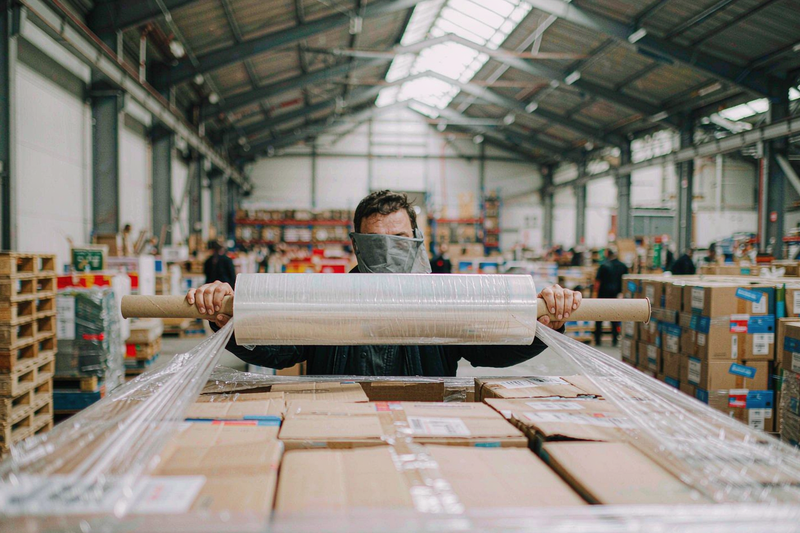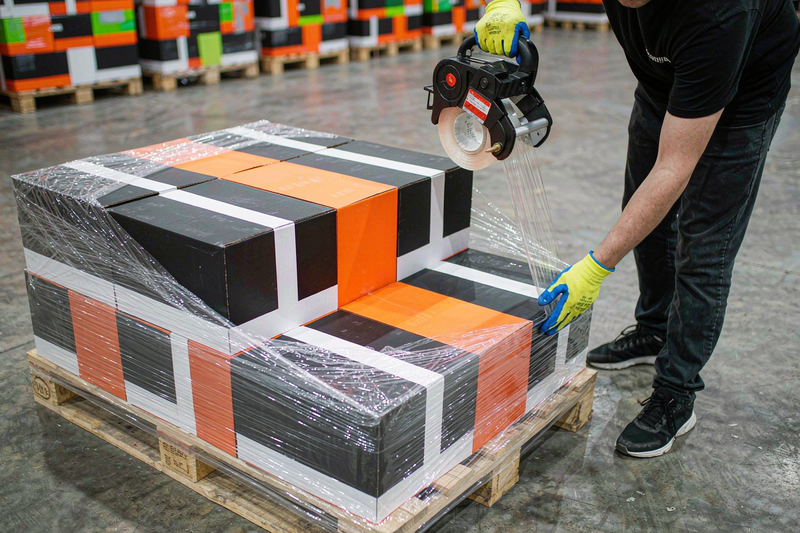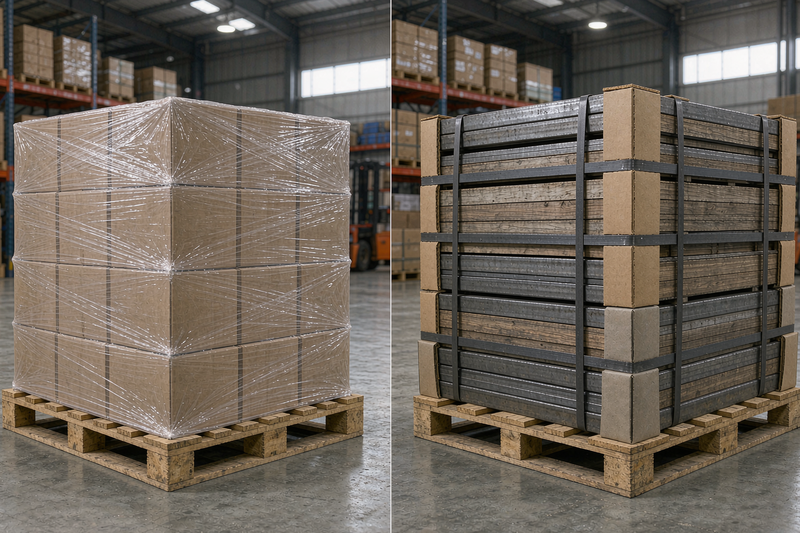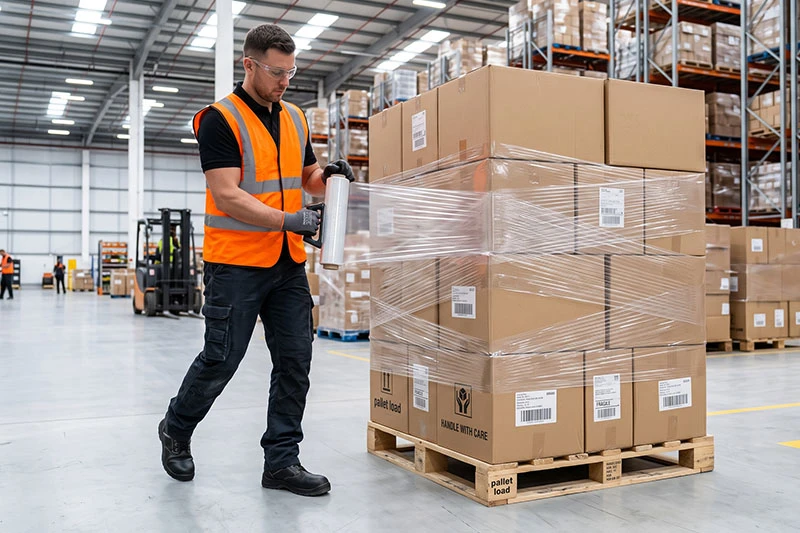


Die Auswahl der optimalen Handstretchfolie wirkt sich direkt auf die Stabilität der Palettenladung aus, Lagerarbeitsproduktivität, und Materialverpackungskosten. Während in Distributionszentren mit hohem Volumen automatisierte Verpackungssysteme dominieren, Manuelle Stretchfolie bleibt ein Muss, flexible Verpackungsmethode für Betriebe mit kleinem bis mittlerem Durchsatz, unregelmäßige Palettenkonfigurationen, und dezentrale Bereitstellungsdocks.
Die Auswahl der richtigen Folie erfordert ein ausgewogenes Ladungsgewicht, pallet geometry, puncture risks, and operator fatigue. Selecting an under-specified film leads to wrapped loads shifting or collapsing in transit, while over-specifying results in excess plastic waste and inflated material expenditures per pallet. This guide outlines how to select the right gauge, compare cast and blown films, evaluate pre-stretched alternatives, and establish a cost-effective bulk procurement strategy.
Hand Stretch Film vs. Machine Wrap: When Does Manual Wrapping Make Sense?
Understanding when to deploy hand stretch film versus automated machine wrapping depends primarily on daily pallet volume, operational flexibility, and capital investment constraints.
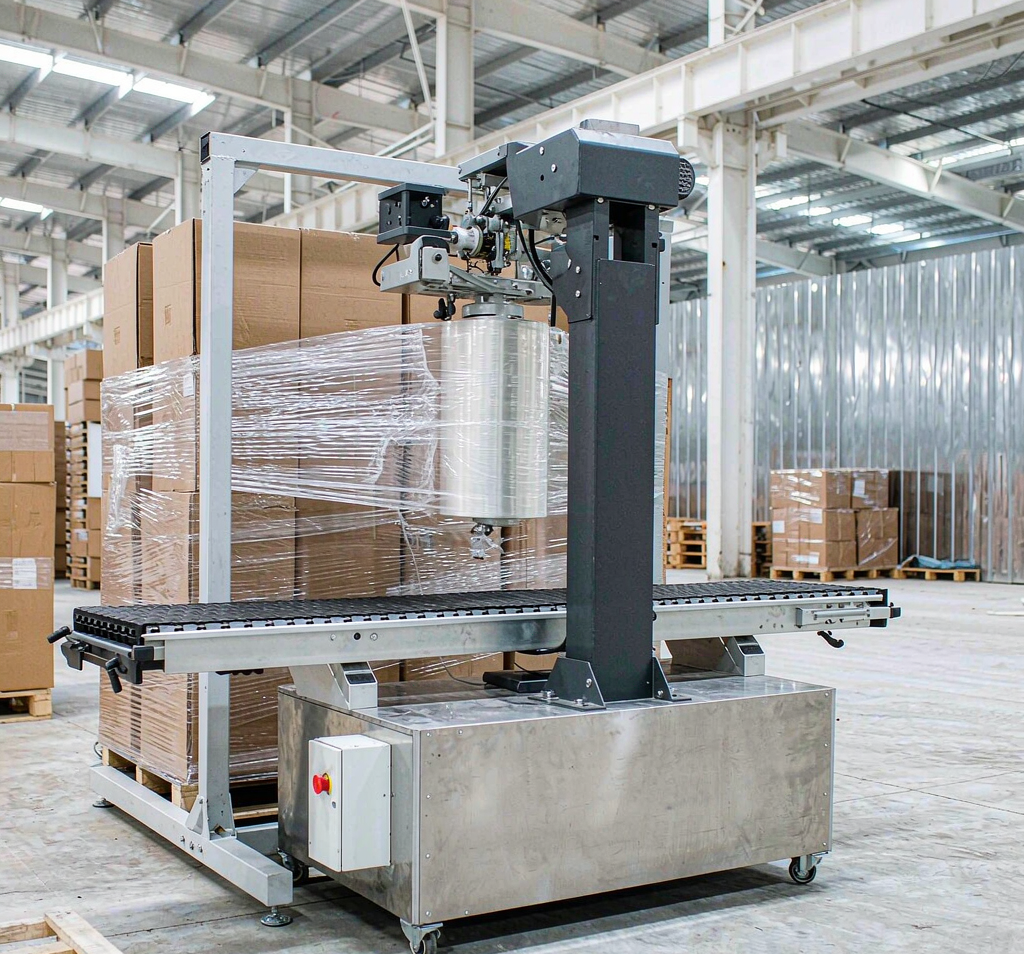
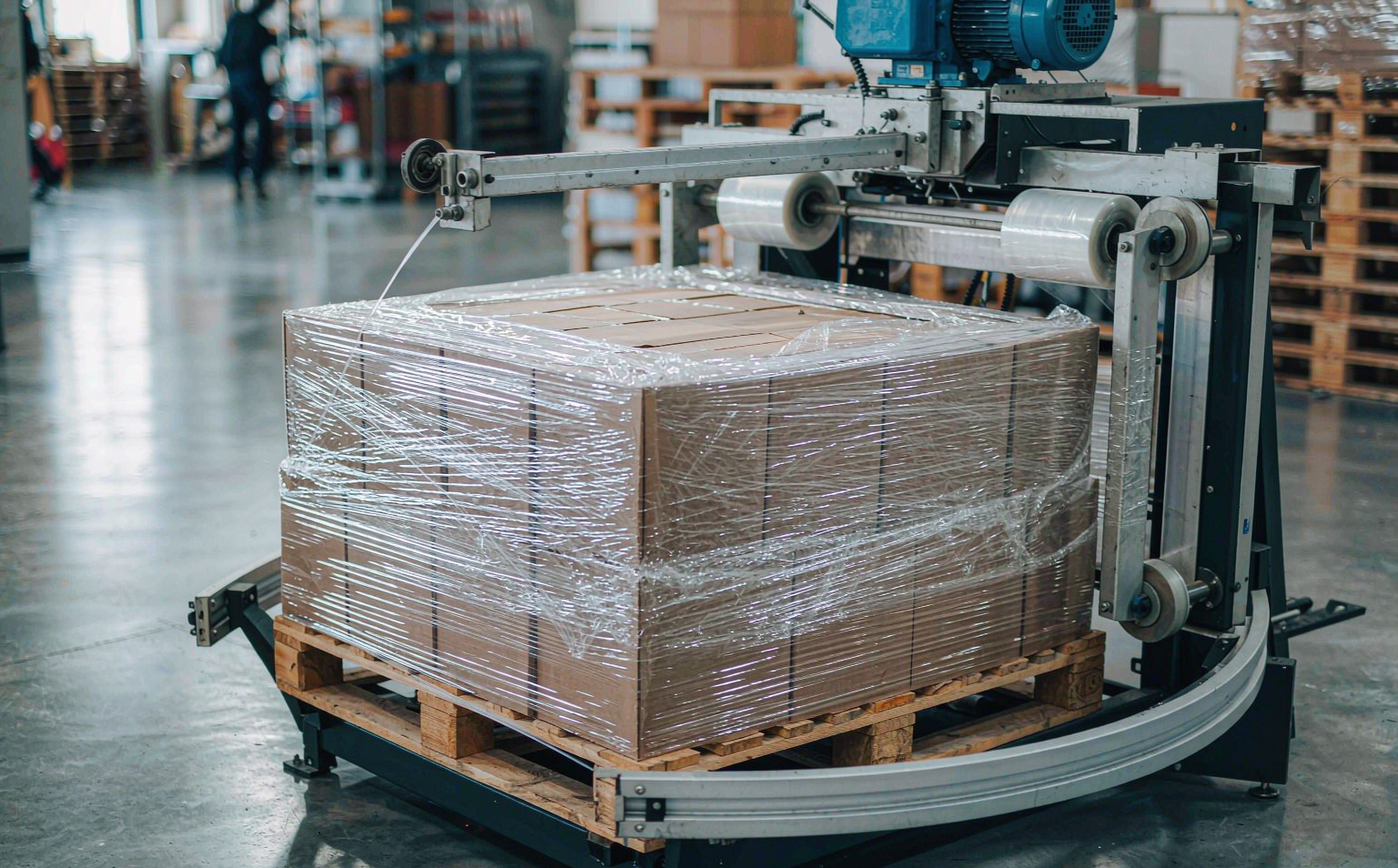
Hand stretch film is applied manually by warehouse personnel using handheld dispensers or integrated core grips. Machine stretch film requires dedicated equipment, such as turntable, rotary arm, or orbital stretch wrappers.
+-----------------------------------------------------------------------+
|                       DAILY PALLET VOLUME                             |
|                                                                       |
|   < 50 Pallets/Day                         > 50–100+ Pallets/Day      |
|   +-----------------------+                +-----------------------+  |
|   |  Hand Stretch Film    |                | Machine Stretch Wrap  |  |
|   +-----------------------+                +-----------------------+  |
|   - Low CapEx                              - High Initial CapEx       |
|   - Multi-Dock Mobility                    - Fixed Machinery Footprint|
|   - Flexible for Odd Loads                 - Uniform High Throughput  |
+-----------------------------------------------------------------------+
Manual pallet wrapping provides distinct advantages under specific operational conditions:
- Low-to-Medium Throughput: Operations wrapping fewer than 50 pallets per day per station rarely generate the volume required to justify the capital expenditure (CapEx) of automated wrapping machinery.
- Decentralized Staging & Multi-Dock Workflows: Facilities with multiple loading docks or mobile staging areas benefit from the portability of hand stretch film rolls, eliminating the need to transport every pallet to a centralized wrapping station.
- Irregular or Oversized Profile Loads: Machine wrappers require consistent pallet profiles to run without triggering sensor stops. Hand wrapping allows operators to adjust tension dynamically around protruding edges or non-standard profiles.
| Dimension | Handstretchfolie (Manual) | Maschinenstretchfolie (Automated) |
| Daily Output Threshold | Ideal for < 50 pallets/day per wrapping station | Recommended for > 50–100+ pallets/day |
| Capital Investment (CapEx) | Minimal (portable dispensers or manual application) | High (requires machine purchase, maintenance, and floor space) |
| Operational Mobility | High; rolls travel anywhere in the facility | Fixed; pallets must be transported to the machine |
| Load Consistency | Dependent on operator technique and tension consistency | Mechanically controlled, highly uniform pre-stretch levels |
How to Select the Right Thickness, Gauge, and Material Grade
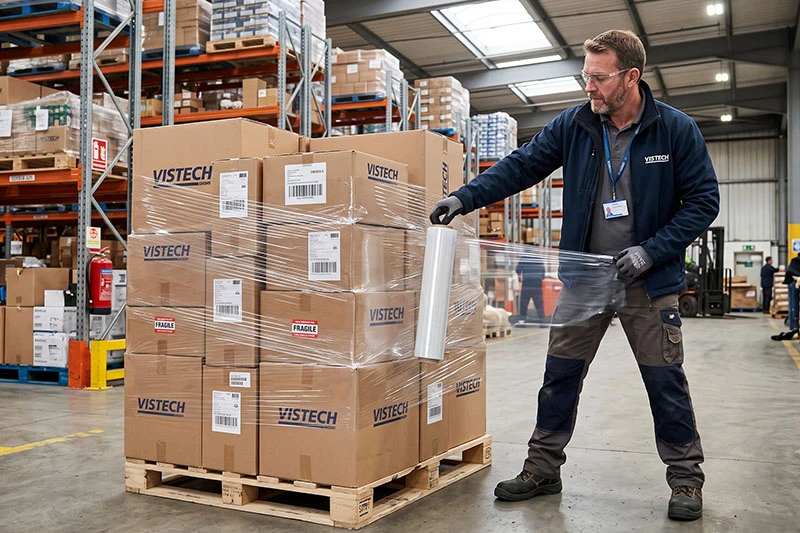
Selecting the proper film thickness—measured in gauge or microns (µm)—prevents load failure during transport while controlling material consumption. Pallet loads are classified into three primary profile types based on shape and edge sharp risk:
- A-Loads: Uniform, symmetrical loads with no sharp protrusions (e.g., standard boxed goods flush with the pallet edge).
- B-Loads: Less uniform loads with minor protrusions, sharp corners, or slight box overhang.
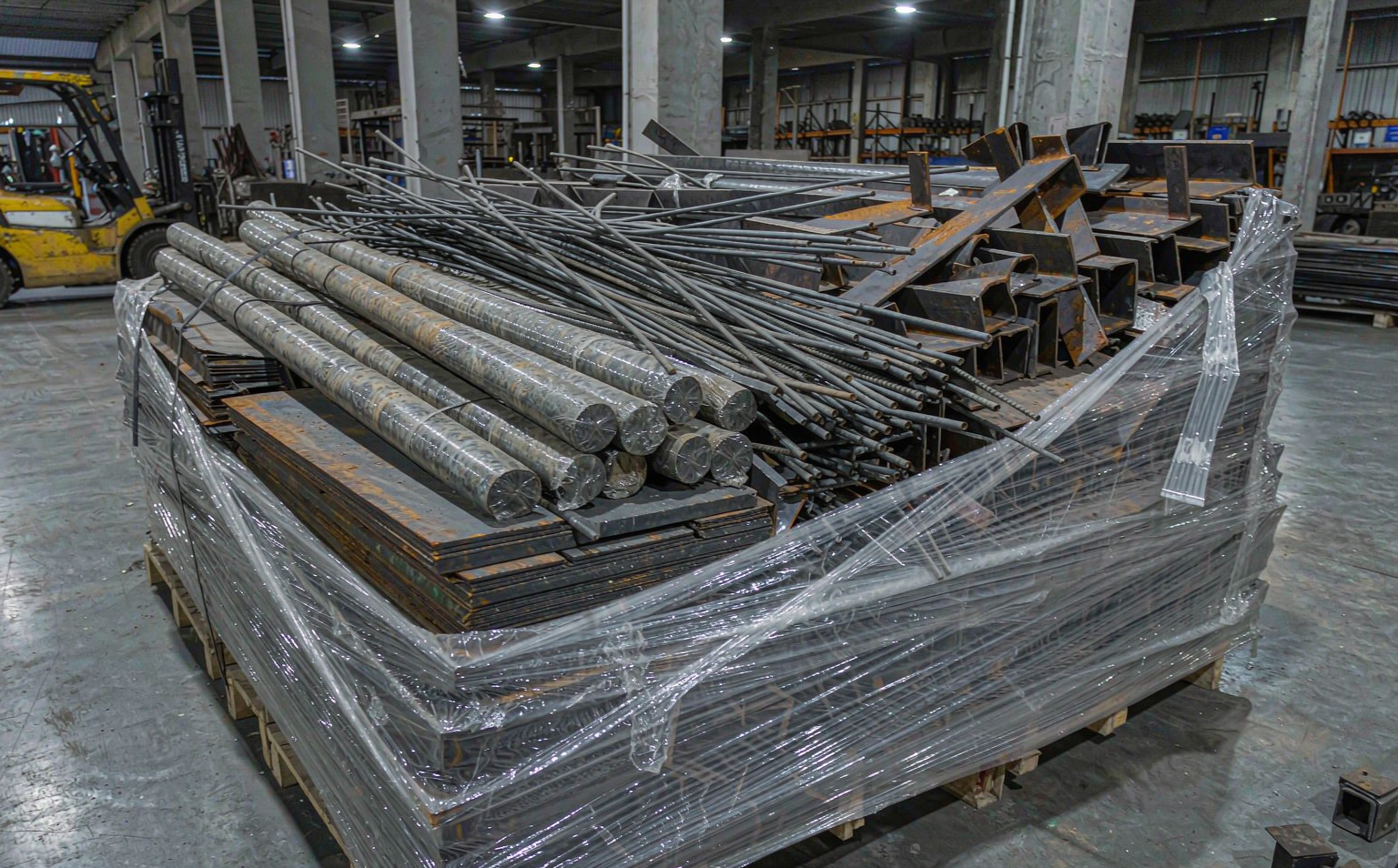
- C-Loads: Highly irregular loads featuring sharp corners, bare metal, exposed wooden pallet splinters, or severe overhang.
              A-LOAD                        B-LOAD                        C-LOAD
        +------------------+          +------------------+          +-------/\---------+
        |  Uniform Box     |          | Slightly Irreg.  |          |  Sharp Edge /    |
        |  Flush Edge      |          | Minor Overhang   |          |  Severe Overhang |
        +------------------+          +------------------+          +------------------+
        37–47 Gauge (9–12 µm)         60–70 Gauge (15–18 µm)         80–100+ Gauge (20–25+ µm)
The table below outlines recommended film gauges and material types matched to load profiles and weight classes:
| Load Profile / Weight Class | Weight Range | Recommended Gauge / Micron | Material & Manufacturing Application |
| Light Weight (A-Load) | Up to 1,200 lbs | 37 – 47 Gauge (9 – 12 µm) | Pre-stretched hand film or thin cast LLDPE wrap |
| Medium Weight (B-Load) | 1,200 – 2,000 lbs | 60 – 70 Gauge (15 – 18 µm) | Standard cast or high-performance resin hand wrap |
| Heavy Weight (C-Load) | Über 2,000 lbs | 80 – 100+ Gauge (20 – 25+ µm) | Blown hand wrap or high-puncture cast wrap |
Note: Specific stretch percentages, resin blends, and exact performance tolerances should be verified with the manufacturer based on application requirements.
Besetzung vs. Geblasene Stretchfolie
Linear Low-Density Polyethylene (LLDPE hand wrap) is produced using two primary extrusion processes, each yielding distinct performance characteristics:
- Gegossene Stretchfolie: Extruded through a flat die onto cooling rolls. It offers optical clarity, smooth and quiet unrolling, and consistent gauge control. Cast film provides excellent single-sided cling, making it ideal for standard warehouse applications where silent application and barcode readability are required.
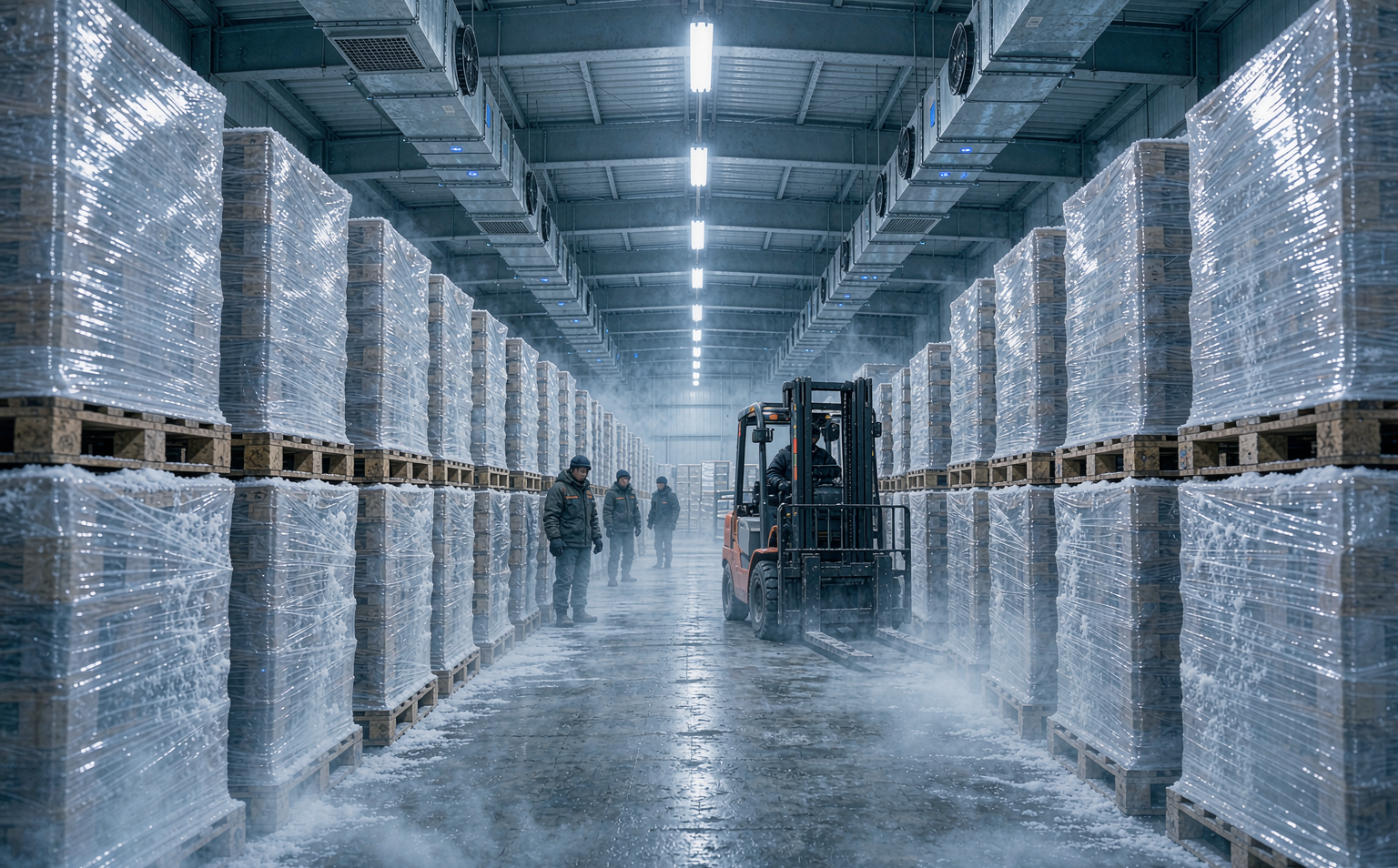
- Geblasene Stretchfolie: Extruded vertically through a circular die and bubble-cooled. This process creates multi-directional orientation, resulting in high tear resistance, superior puncture strength, and maximum load containment. Blown wrap is ideal for heavy C-loads, cold storage environments, and sharp-edged cargo, though it exhibits higher unwind noise and lower optical clarity.
Standard Hand Film vs. Pre-Stretched Film: Maximizing Efficiency and ROI
Traditional hand stretch film requires the warehouse operator to physically stretch the plastic during application to achieve force-to-load stability. This process often causes operator fatigue, inconsistent tension across pallet layers, and neck-down (where the film narrows in width as it is pulled, requiring more wraps per pallet).
TRADITIONAL FILM APPLICATION:
Operator pulls hard -> Film stretches physically on pallet -> High Fatigue + Width Neck-Down

PRE-STRETCHED FILM APPLICATION:
Pre-stretched at factory -> Applied with minimal tension -> Low Fatigue + Full Width Retained
Pre-stretched hand film is mechanically elongated near its yield point during manufacturing before being wound onto the roll.
Performance Comparison
- Reduced Operator Fatigue: Because the film is already pre-elongated, operators apply the film with walking tension rather than physical exertion. This improves safety and ensures uniform tension from the first wrap of the shift to the last.
- Material Savings: Pre-stretched film virtually eliminates neck-down. The film maintains its full width across the pallet, requiring fewer total revolutions to cover the same surface area.
- Consistently Tight Loads: Pre-stretched film exerts high holding force as it attempts to contract after application, preventing cargo shifting without risking box crushing on lighter cartoned goods.
- Roll Lightweighting: Pre-stretched rolls are lighter than standard gauge rolls, making them easier to handle and reducing freight costs per shipped carton of wrap.
Facilities wrapping uniform A- or B-loads can transition to pre-stretched films to lower total plastic consumption per pallet wrapped while improving worker safety.
Key Factors to Consider When Sourcing Hand Stretch Film in Bulk
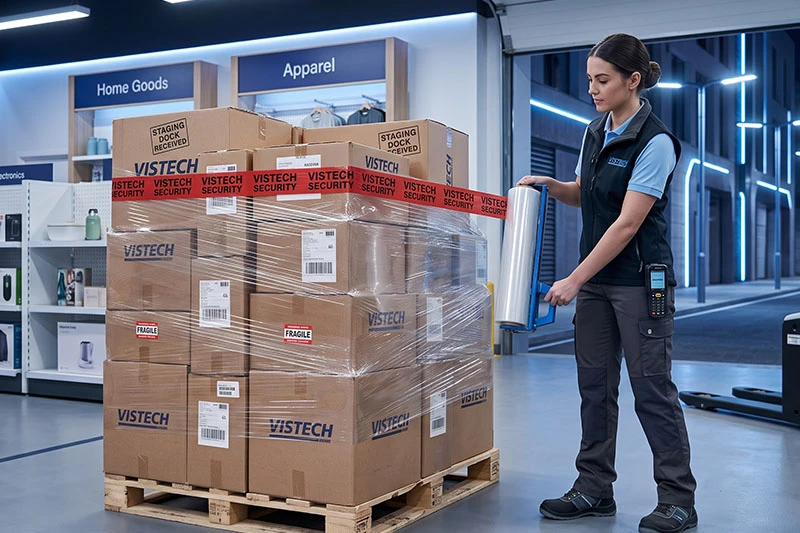
When sourcing industrial hand stretch film solutions in volume, procurement managers must evaluate total cost per wrapped pallet rather than unit price per roll.
+--------------------------------------------------------------------------------+
|                        B2B PROCUREMENT EVALUATION CRITERIA                     |
+--------------------------+--------------------------+--------------------------+
|  Cling & Tail Retention  |  Roll Weight & Ergonomics| Puncture Resistance      |
|  - Ensures tail adherence|  - Prevents worker strain|  - Prevents tears on     |
|  - Prevents unraveling   |  - Optimized core design |    sharp corners         |
+--------------------------+--------------------------+--------------------------+
1. Cling Performance & Tail Retention
Film cling ensures the final tail of the wrap adheres to the pallet load without requiring secondary tape or tying. Evaluate whether the application requires smooth single-sided cling (which prevents adjacent pallets from sticking together during truck transit) or high double-sided cling for heavy-duty containment.
2. Roll Ergonomics & Core Specifications
Standard hand wrap rolls typically weigh between 4 Zu 9 lbs. Heavy rolls lead to rapid operator fatigue. Evaluate core inner dimensions (typically 1.5-inch, 2-inch, or 3-inch cores) and confirm compatibility with existing handheld dispenser handles or extended core designs.
3. Puncture and Tear Resistance
If pallets feature protruding wood splinters, steel banding, or sharp cardboard edges, select films manufactured with multi-layer co-extrusion technology. High puncture resistance prevents a minor tear from propagating down the entire roll width during application.
4. Manufacturing Consistency & Gauge Uniformity
Inconsistent extrusion creates thin spots across the web, leading to roll snapping under tension. Partnering with manufacturers operating modern automated extrusion lines ensures strict gauge control, consistent roll density, and reliable batch-to-batch strength.
Frequently Asked Questions About Hand Stretch Film
How many layers of hand wrap are recommended for a standard pallet?
For standard A- and B-loads weighing up to 1,500 lbs, a general rule is applying a minimum of 3 full bottom wraps around the pallet base, 2 Zu 3 overlapping layers across the body (with a 30–50% overlap), Und 3 top wraps to tie the load together. Heavier or irregular C-loads may require additional wraps at the base and midsection.
What is the shelf life of LLDPE hand stretch film when stored in a warehouse?
When stored in a climate-controlled environment away from direct UV exposure and extreme temperatures (ideal storage: 15°C to 25°C / 59°F to 77°F), LLDPE hand stretch film maintains its elasticity, cling properties, and tensile strength for up to 12 months.
Can hand stretch film be recycled after warehouse usage?
Yes, uncontaminated LLDPE hand stretch film is 100% recycelbar. Facilities can collect clean, used stretch wrap into balers and sell the baled polyethylene to industrial recyclers, reducing landfill waste and supporting circular supply chain initiatives.
Optimize Your Pallet Wrapping with Vistech Hand Stretch Film Solutions
Achieving maximum pallet stability while controlling packaging material costs requires selecting the correct film format, gauge thickness, and resin technology for your specific load profiles. At Vistech Stretch Film Limited, modern automated packaging systems and co-extrusion production lines manufacture high-performance stretch films engineered for rigorous industrial supply chains.
+-----------------------------------------------------------------------------------+
|                            VISTECH SELECTION MATRIX                               |
+-----------------------+----------------------------------+------------------------+
| Load Type             | Recommended Film Specification   | Primary Benefit        |
+-----------------------+----------------------------------+------------------------+
| Uniform Boxes         | Pre-Stretched Hand Film          | Lower Material Use     |
| Irregular / Sharp     | Blown / High-Gauge Cast Wrap     | Max Puncture Strength  |
| Multi-Dock Shipping   | High-Performance LLDPE Wrap      | Versatile Load Tie-Down|
+-----------------------+----------------------------------+------------------------+
Whether your operation requires ultra-thin pre-stretched films to lower plastic consumption or puncture-resistant cast films for heavy manufacturing goods, selecting the proper specification ensures transit security from warehouse to end destination.
Need the right stretch film spec for your warehouse?
Contact the technical specialists at Vistech Stretch Film Limited today to discuss your packaging requirements, request a free sample roll kit, or obtain a bulk procurement quotation engineered for your exact pallet load needs.
Key Takeaways
- Match Film to Load Profile: Use gauge guidelines mapped to A-, B-, and C-load classifications (37–47 gauge for light loads; 80–100+ gauge for irregular/heavy loads) to prevent cargo failure without over-spending on resin.
- Pre-Stretched Film Drives Efficiency: For uniform boxes, pre-stretched hand wrap reduces worker fatigue, eliminates width neck-down, and decreases overall plastic consumption.
- Besetzung vs. Blown Selection: Choose cast film for quiet application, high transparency, and barcode scanning; select blown film for maximum puncture strength on sharp or heavy cargo.
- Evaluate Total Cost per Pallet: Look beyond roll price by measuring yield per roll, wrapping speed, worker fatigue, and puncture performance.
FAQ
Q: What is the main difference between hand stretch film and machine stretch film?
A: Hand stretch film is formulated for manual application using portable dispensers or hand grips, making it ideal for low-to-medium pallet volumes (< 50 pallets/day) and flexible dock setups. Machine film is engineered for automated equipment, running at higher pre-stretch ratios for high-volume, centralized wrapping lines.
Q: When should I choose cast hand wrap over blown hand wrap?
A: Choose cast hand wrap when your operation requires silent unwind, high clarity for scanning shipping barcodes through the film, and smooth single-sided cling. Choose blown film when wrapping sharp corners, heavy raw materials, or loads requiring high multi-directional tear resistance.
Q: How does pre-stretched hand film reduce total plastic waste?
A: Pre-stretched film is elongated during manufacturing near its ultimate strength point. When applied manually, it retains its full width without narrowing (neck-down), allowing operators to wrap pallets with fewer total turns and less physical effort, reducing plastic weight per pallet.