

Hoy lahat, kumuha ng kape. Umupo tayo at pag-usapan ang tungkol sa isang bagay na hindi napapansin sa halos bawat palapag ng pabrika sa buong sektor ng pagmamanupaktura: ang hamak na rolyo ng plastic na bumabalot sa iyong mga papag.
Sa ibabaw ko 12 taon ng paghawak ng pang-industriyang packaging sa mga front line, pagtulong sa mga manufacturing plant at cross-border logistics firm na manatiling nakalutang, I’ve noticed a glaring trend. Even now in 2026, the vast majority of small and medium-sized factories are trapped in the “the thicker the film, the more durable it is” mindset. They assume heavy, thick film means safer cargo. The reality? They are blindly burning cash. This single misconception causes them to waste an average of 37% more packaging material costs every single year.
If you are trying to survive the razor-thin margins of modern manufacturing, optimization starts right here. Let’s break down exactly how to overhaul your packaging line with a practical, 4-step framework designed to cut waste, ensure transit safety, and keep you completely compliant with international environmental laws.
Step 1: Upgrade the LLDPE Resin Formula and Stop Buying by Weight
When buying industrial stretch film pallet wrap, most purchasing managers look at two things: price per ton and film thickness. That is a massive mistake. Traditional thick films use low-grade resins that tear the moment they hit a sharp carton corner.
What you actually need to focus on is the LLDPE resin formula ratio, specifically looking for multi-layer co-extrusion mixed with metallocene plastomers. Modern nano-layered films allow a 12-micron film to vastly outperform an old-school 20-micron film in both puncture resistance and holding force.
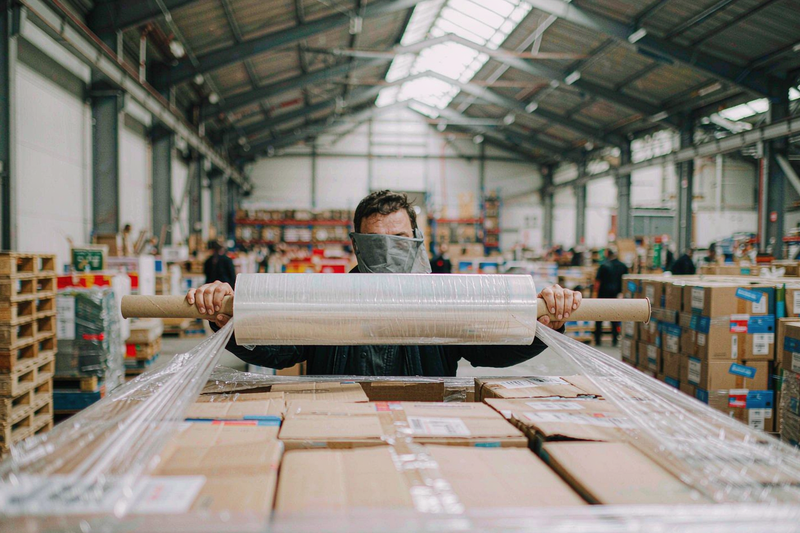
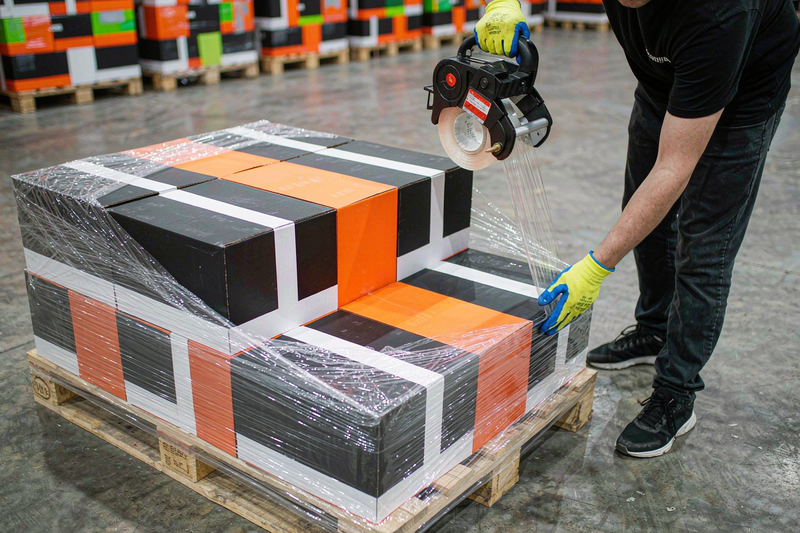
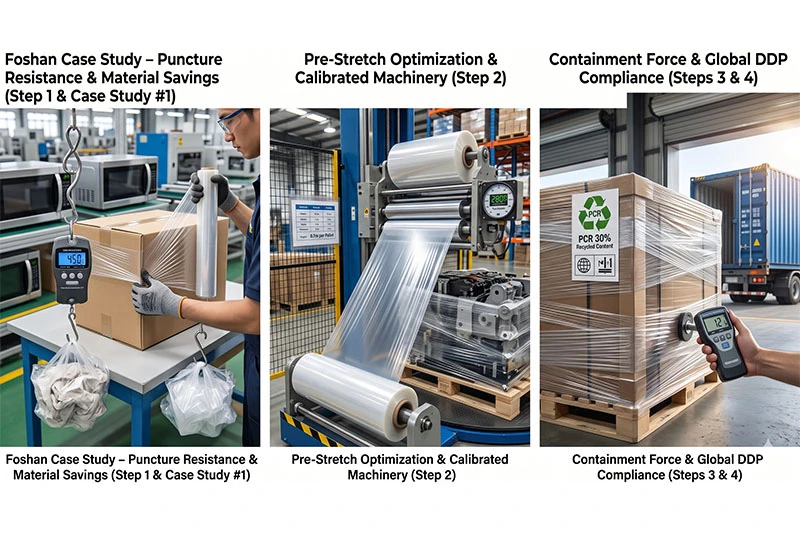
Case Study #1 (Foshan Appliance Factory): Last year, I visited a major household appliance plant in Shunde, Foshan. They were manually wrapping heavy microwave shipments using a standard 22-micron kamay stretch wrap. Workers were sweating, pulling hard, and wrapping 5 sa 6 layers per pallet.
We swapped them over to a high-performance multi-layer nano machine stretch film down-gauged to just 14 microns. We didn’t compromise their structural integrity—in fact, the puncture resistance increased by 45%. Because the film was thinner and stronger, the weight of the film consumed per pallet dropped from 450 grams to 210 grams. Over a single month of shipping out 8,000 pallets, they saved exactly 1.92 tons of material, instantly hacking 9,600 RMB off their monthly overhead.
Step 2: Recalibrate the Pre-Stretch Ratio to Drastically Reduce Film Consumption
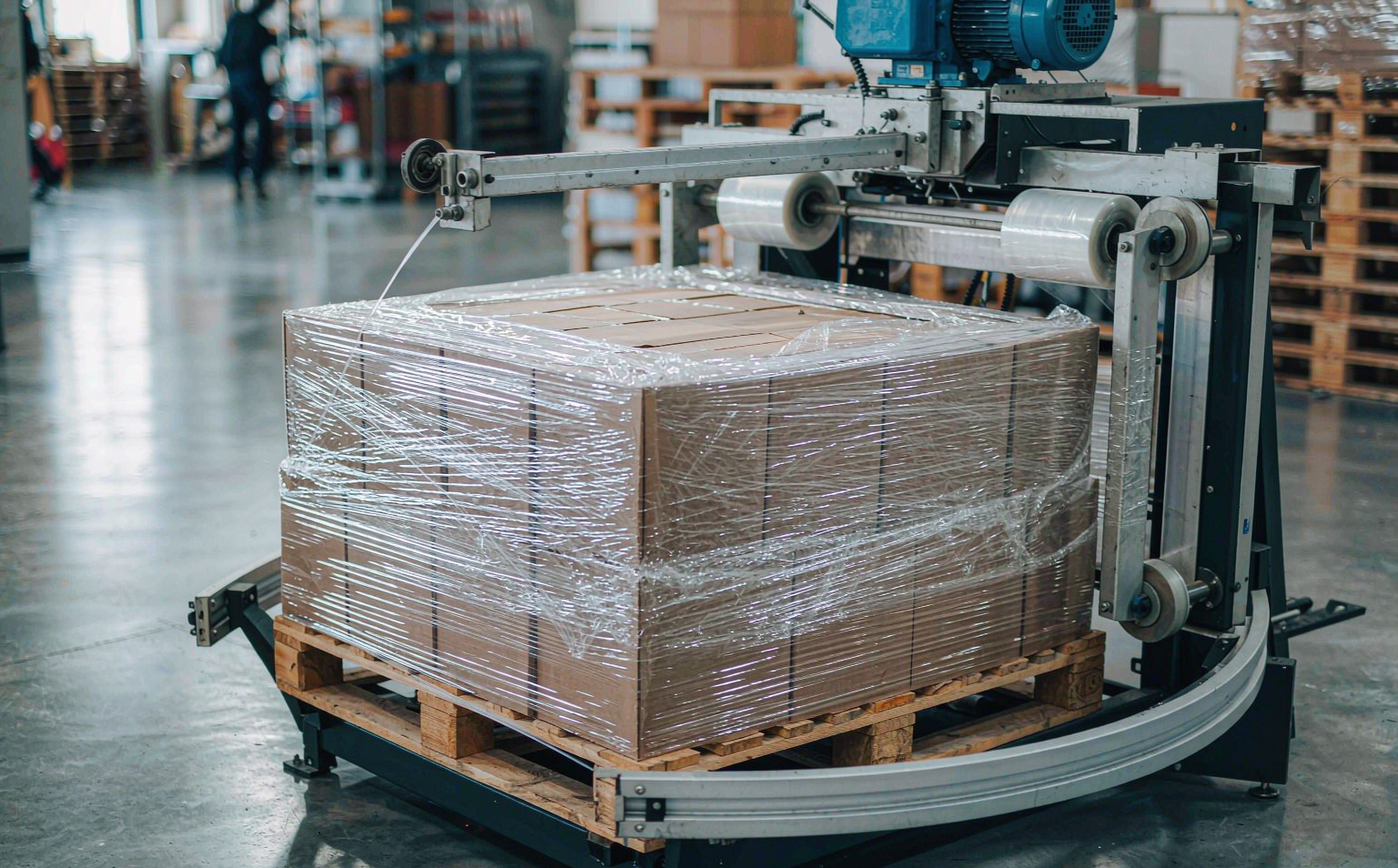
If your automated wrapping machinery is still running on factory default settings from five years ago, you are throwing money out the window. Many older turntables or rotary arm wrappers are set to a basic mechanical stretch of 100% sa 150%.
To unlock true cost reduction, you need to match premium machine grade stretch film with high-performance power pre-stretch carriages.
| Metric Variable | Old Mechanical Setup | Optimized Pre-Stretch Setup |
| Pre-Stretch Ratio | 120% | 280% |
| Film Length Used per Pallet | 1.2 meters | 0.7 meters |
| Average Wrapping Time | 45 seconds | 28 seconds |
| Material Yield Multiplier | 2.2x | 3.8x |
By precisely adjusting the pre-stretch ratio up to 280%, a single meter of raw film on the roll yields nearly 3.8 meters of protective barrier on the pallet. The math is clear: pulling the film to its optimal yield point drops the film consumption per single pallet from 1.2 meters to just 0.7 meters. For a medium-scale warehouse processing 500 pallets a month, this simple calibration slashes consumable expenses by roughly 1,500 RMB per month.
Step 3: Optimize Containment Force to Eradicate Cargo Damage in DDP Scenarios
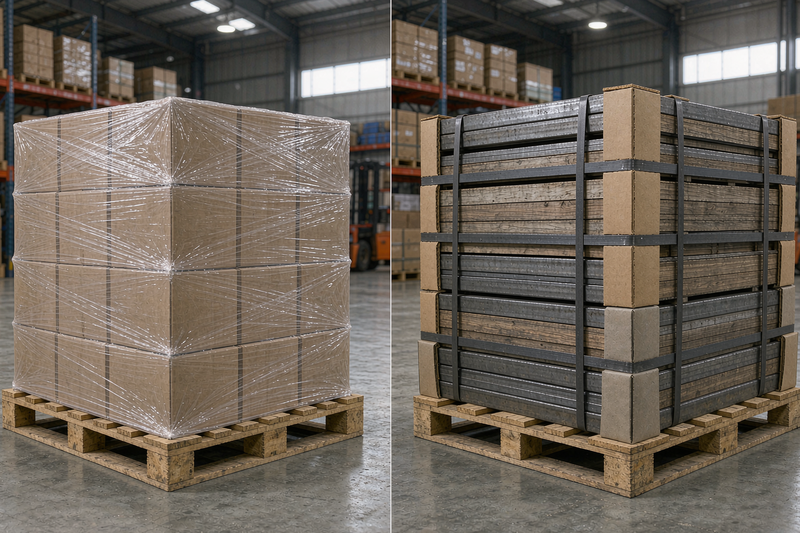
For cross-border sellers shipping via Amazon FPD or handling complex DDP trade scenarios, package failures during ocean transit are an absolute nightmare. If your containment force—the cumulative squeezing pressure holding your load together—is incorrect, your pallets will list, collapse, or suffer from “gull-winging” inside the container.
When goods arrive deformed at an overseas fulfillment center, you face severe cargo damage claims, expensive cross-docking fees, and skyrocketing cargo damage rates under DDP trade scenarios.
To fix this, you must stop guessing and start measuring:
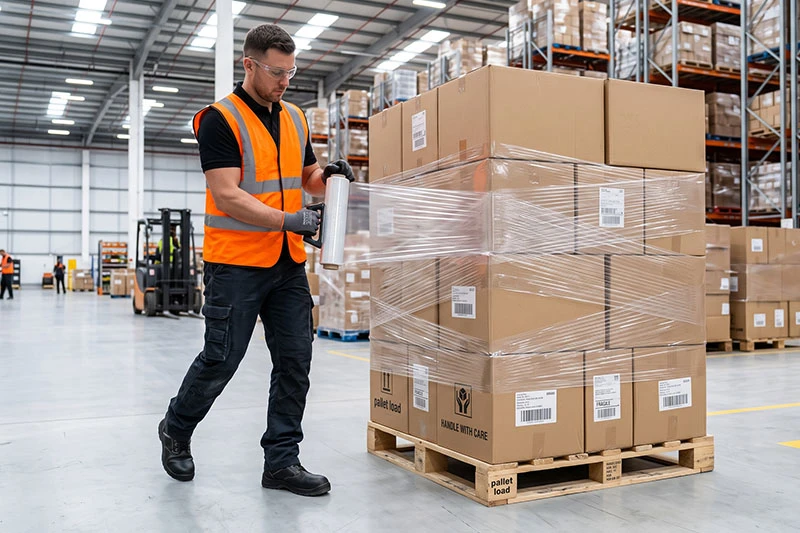
- The Base: Apply 3 tight wraps around the wooden pallet base to anchor the load securely.
- The Body: Maintain a consistent 30% overlap as the machine moves upward, aiming for a consistent 12 kg of containment force.
- The Top: Secure with an overlapping top-sheet wrap to protect against dust and moisture.
Step 4: Scale Packaging Speed with High-Efficiency Automation and Global Compliance
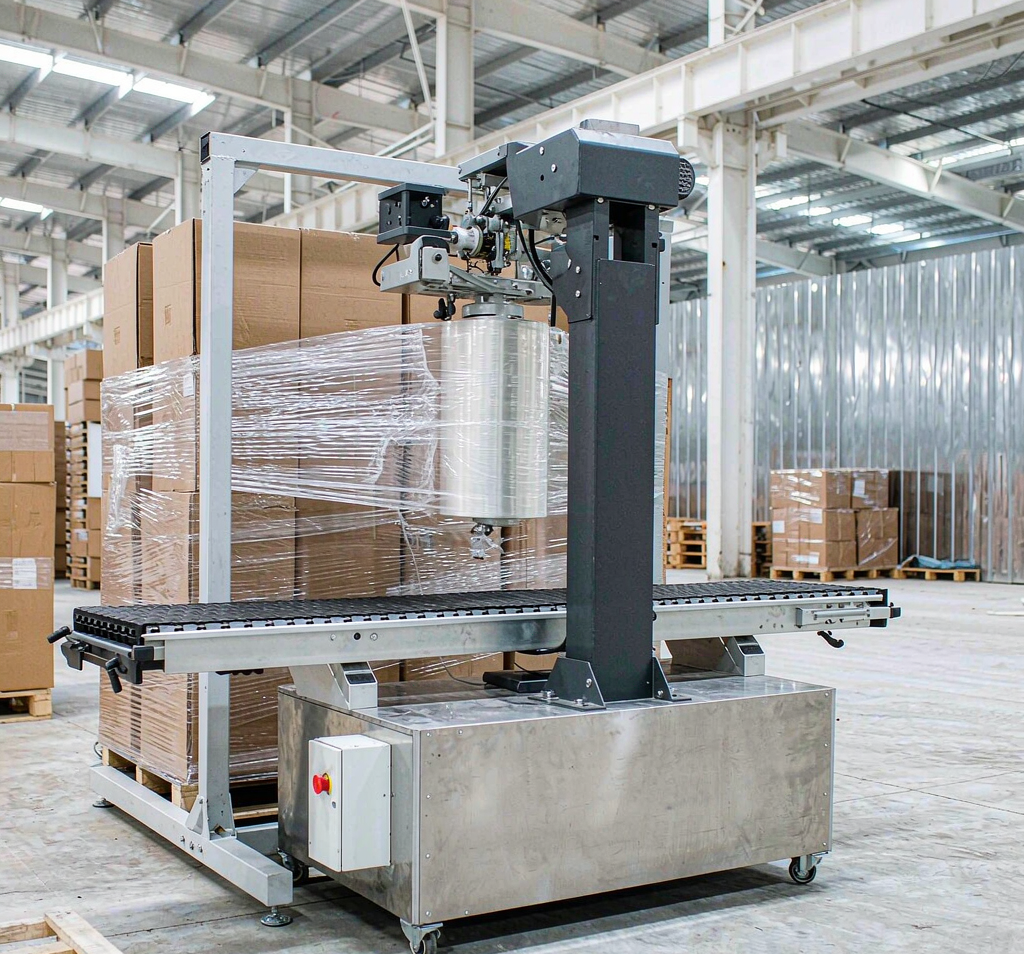
If your daily volume is skyrocketing past thousands of units, relying solely on manual labor or basic turntables creates a massive bottleneck. To scale efficiently, transitioning to premium automated machinery like a stretch hooding system can drive your packaging line to an incredible 180 pallets/hour packaging encapsulation efficiency.
Beyond pure speed, the year 2026 demands strict adherence to global environmental regulations. European and North American customs are cracking down harder than ever on packaging waste. If your shipments utilize excessive plastic layers or rely on non-recyclable materials, you risk being hit with hefty plastic taxes or outright customs rejection.
To future-proof your cross-border supply chain, you must pivot to eco-conscious materials. Transitioning to films engineered with at least 30% PCR (Post-Consumer Recycled) plastics ensures your packaging remains fully compliant with the latest global circular economy mandates, completely insulating your brand from environmental penalties abroad.
Wrapping It Up
Optimizing your industrial packaging isn’t about finding the cheapest, thickest plastic roll on the market. It is a precise science balancing material chemistry, machine calibration, and strict regulatory adherence.
If you are looking to audit your current packaging line, eliminate material waste, or ensure your cross-border shipments fly through international customs without a hitch, exploring a professional consultation can make all the difference. At Texin Pack, we specialize in tailoring advanced LLDPE formulations and automated wrapping solutions that keep modern manufacturers competitive, lean, and fully compliant on the global stage. Let’s optimize your line and secure your bottom line today.