

1. Introduction
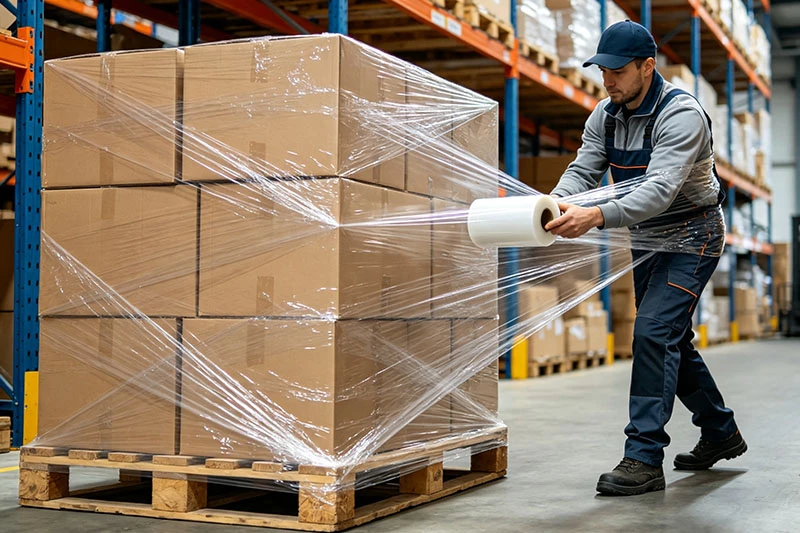
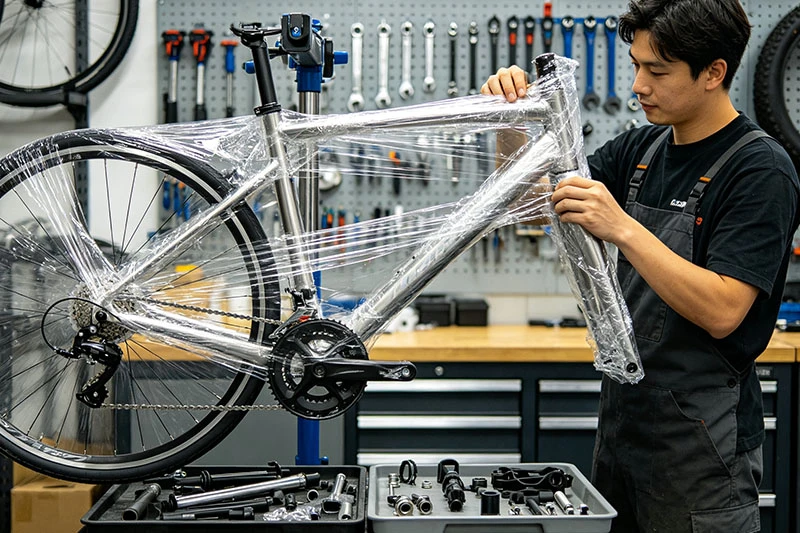
In modern warehousing, logistica, e gestione della catena di fornitura, cargo securement during transit and storage is critical to operational efficiency. Manual stretch film serves as a foundational flexible packaging material, widely replacing traditional bundling methods such as steel bands, PP strapping, and adhesive tapes. Unlike machine-applied alternatives, manual stretch film requires no specialized wrapping equipment, offering exceptional flexibility and portability. This comprehensive analysis evaluates the material composition, technical parameters, structural advantages, and selection standards of manual stretch film, providing a technical reference for packaging professionals, procurement officers, and warehouse managers.

2. Material Composition and Fundamental Properties
The performance of manual stretch film depends heavily on its primary raw material: Linear Low-Density Polyethylene (LLDPE). Through cast co-extrusion processing, this polymer imparts several distinct physical properties to the film:
- Non-toxic and Odorless: Safe for handling and universally applicable across diverse product categories.
- High Toughness and Tensile Strength: Allows the film to withstand external forces without tearing prematurely.
- Self-Adhesiveness: Enables the film layers to bond securely to each other without chemical adhesives.
- Puncture Resistance: Crucial for containing sharp edges or irregular pallet profiles.
In the industrial marketplace, films manufactured from 100% virgin LLDPE resins exhibit superior optical clarity, consistent elongation profiles, and predictable cling properties. In contrast, films containing recycled resins or fillers often suffer from reduced tensile strength, compromised puncture resistance, and brittle failure under load. While standard inventory typically consists of high-clarity transparent films for easy barcode scanning and label legibility, opaque colored variants (such as black or blue) can be produced to satisfy UV protection or cargo concealment requirements.
3. Core Technical Parameters
To ensure structural integrity and compliance with industrial packaging standards, manual stretch films are engineered to precise technical specifications. The following parameters represent the current industry baselines:
Thickness
The industry standard thickness for general-purpose manual packaging is 20μm, balancing physical strength with manual application limits.
- 15μm−18μm: Optimized for light-duty or pre-boxed applications.
- 7μm (Ultra-thin/Pre-stretched): Used for lightweight goods to reduce material consumption.
- 22μm (Heavy-duty): Designed for heavy, sharp, or highly irregular loads.
Width
The standard roll widths are 450mm and 500mm, which correspond to the natural arm span and ergonomic handling limits of warehouse operators. For specialized applications, master rolls can be slit into narrow widths ranging from 5cm to 45cm.
Elongation Rate
Manual stretch films feature a functional elongation rate between 200% and 400%. This high elasticity generates a continuous elastic recovery force, ensuring the film cinches tightly around the cargo without snapping under manual tension.
Functional Properties
The material relies on intrinsic cling agents (such as PIB masterbatches) to achieve zero-residue self-adhesiveness. The resulting wrap creates an airtight barrier that provides waterproofing, dustproofing, and tear resistance, maintaining load stability over extended storage cycles.

4. Operational Advantages of Manual Stretch Film
Compared to machine-applied systems, manual stretch film offers unique operational and financial benefits for specific logistical workflows:
- Convenience and Portability: Operates independently of electrical power or mechanical infrastructure. It is ideal for decentralized, low-volume, or temporary packing zones, and can be paired with simple hand-dispensers to reduce operator fatigue.
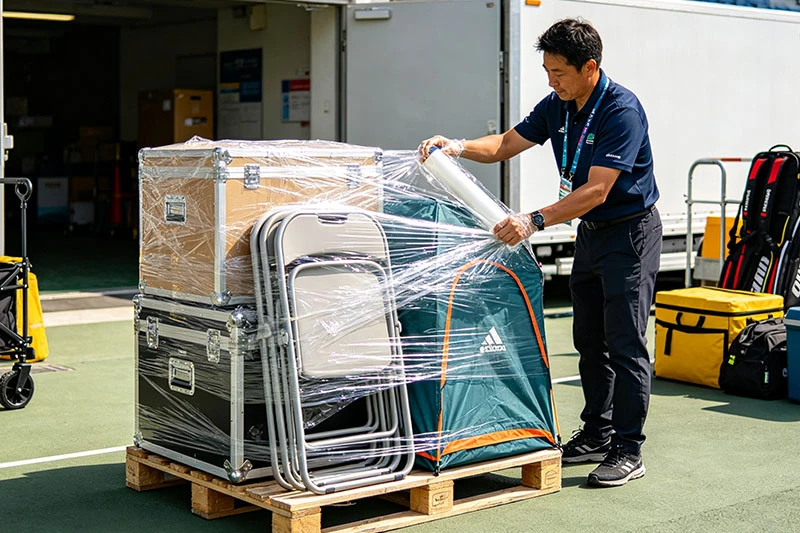
- Broad Load Adaptability: Conforms easily to diverse geometries, including uniform palletized loads, long pipes, structural building materials, and irregular loose components.
- Load Containment: Multi-layer wrapping creates a unified structural envelope that prevents shifting, abrasion, and collapse during transit while shielding goods from moisture and dust.
- Cost-Efficiency for Small Batches: Eliminates upfront capital expenditure for automated wrapping machinery, making it highly economical for small-to-medium warehouses, retail fulfillment centers, and short-haul logistics.
- Zero Material Contamination: Because the film achieves adhesion through surface cling rather than chemical glues, it leaves no sticky residue upon removal, protecting the surface finish of primary packaging or raw goods.
5. Mainstream Application Scenarios
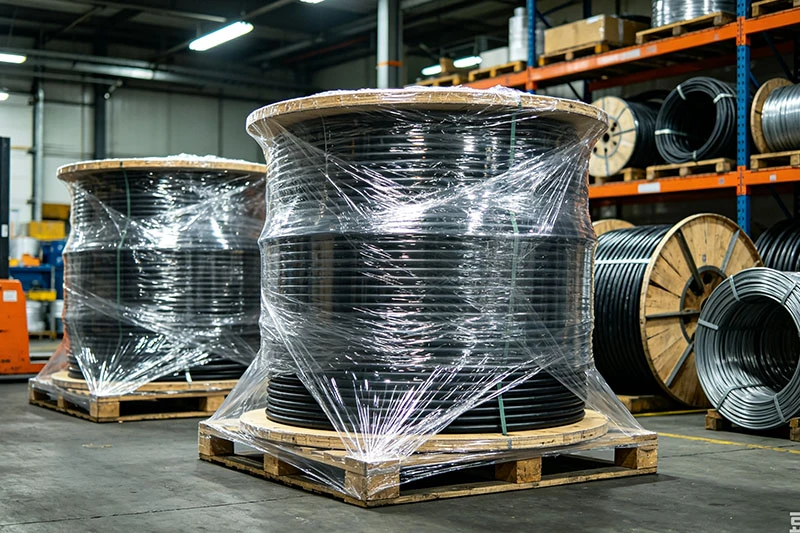
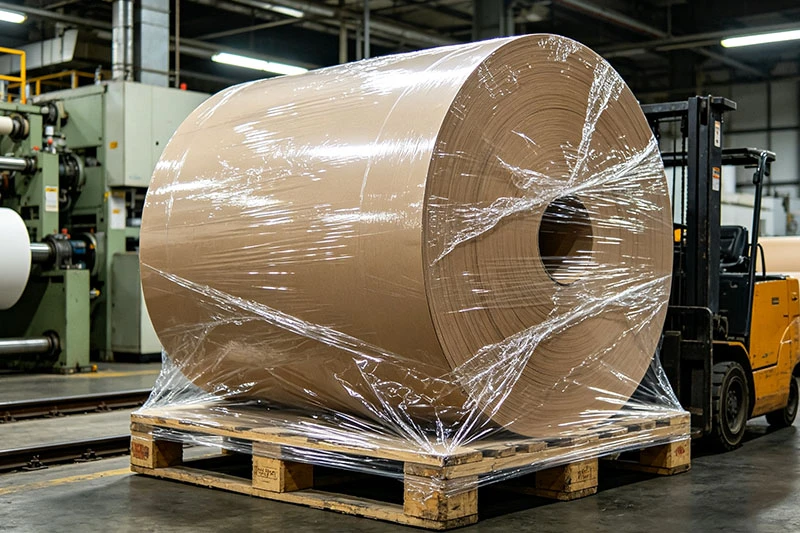
Manual stretch film is utilized across multiple sectors, including light manufacturing, chemicals, construction, electronics, and e-commerce logistics. Common applications include:
┌───────────────────────────────────────────────────────────────────────┐
│                     **MANUAL STRETCH FILM** APPLICATIONS                  │
├───────────────────────────────────┬───────────────────────────────────┤
│ • Pallet Stabilization            │ • Building & Construction Materials │
│ • Short-Haul Transit Bundling     │ • E-Commerce Parcel Consolidation │
│ • Long Pipes & Hardware Profiles  │ • Corrugated Box Protection       │
│ • Export Cargo Pre-Shielding      │ • Retail Inventory Organization   │
└───────────────────────────────────┴───────────────────────────────────┘

6. Technical Comparison: Manual vs. Machine Pellicola estensibile
Understanding the boundaries between manual and machine stretch films prevents material failure and misallocated procurement budgets.
| Feature / Property | Manual Stretch Film | Film estensibile per macchina |
|---|---|---|
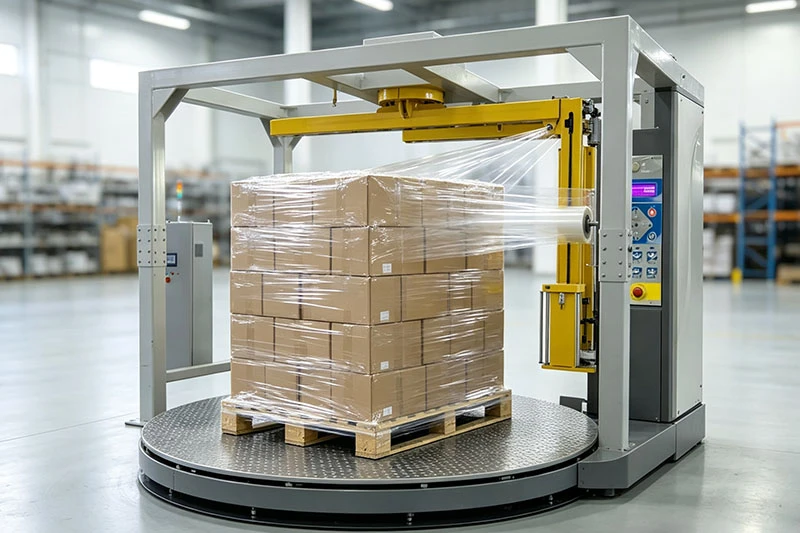
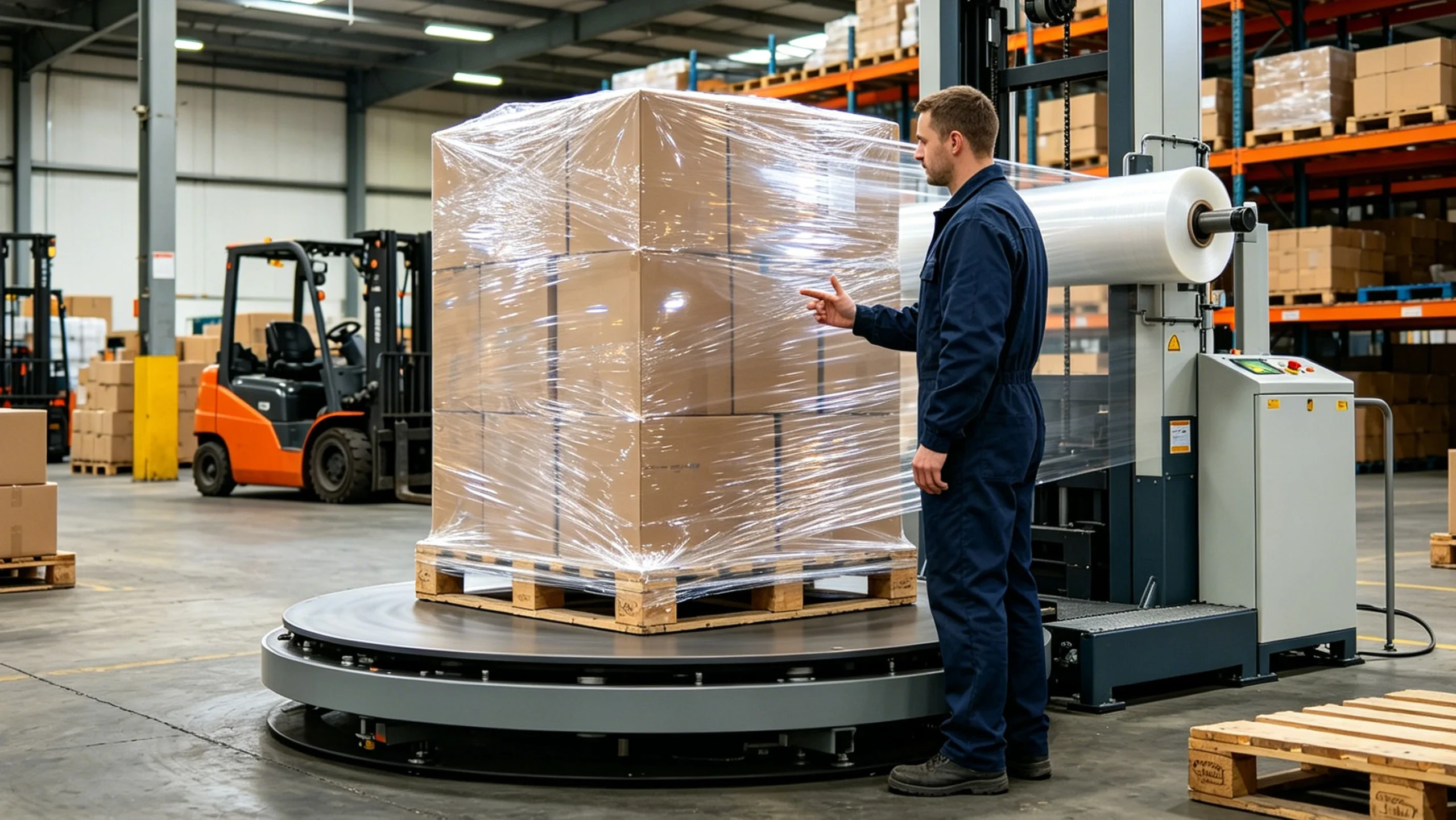
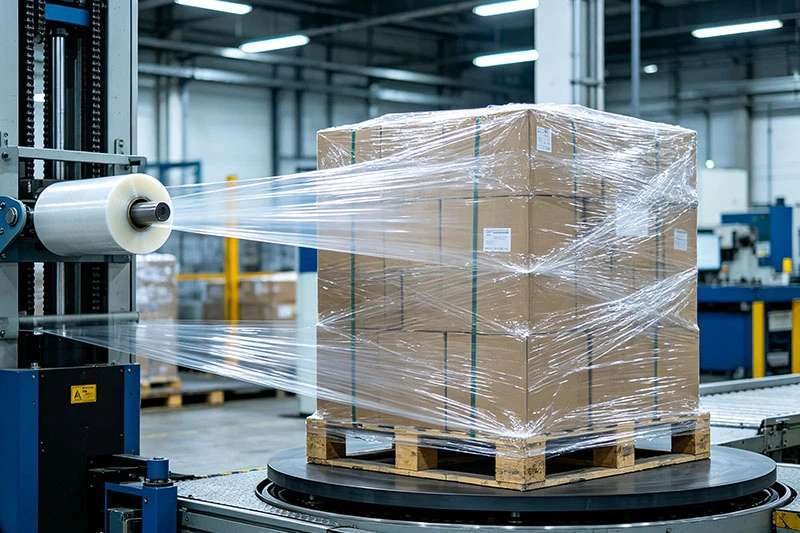
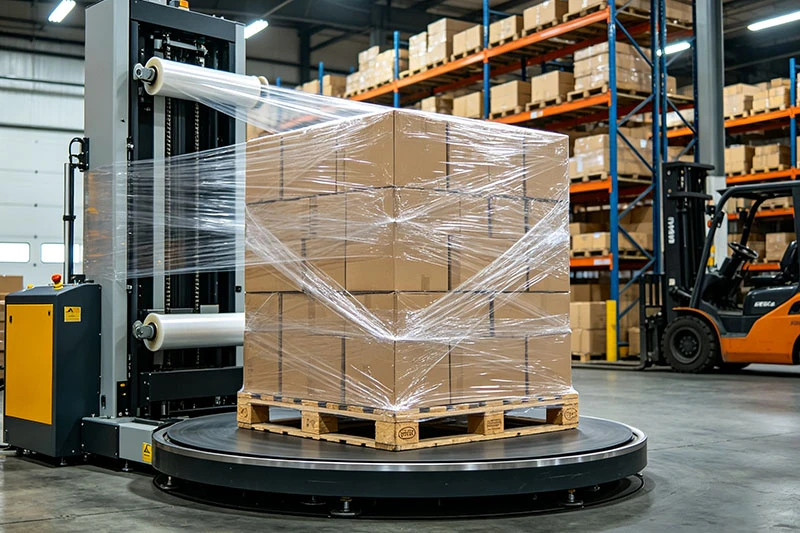
| Application Method | Applied by hand or via manual brake dispensers. | Applied via semi-automated or fully automated turntable/orbital wrappers. |
| Thickness Profile | Typically thin (15μm−20μm) to remain manageable under human physical constraints. | Typically thicker (20μm−30μm) to withstand high-velocity mechanical strain. |
| Stretch Potential | Optimized for lower, manual pre-stretch levels (100%−150% functional pull). | Engineered for high-ratio power pre-stretch systems (250%−350%+ mechanical draft). |
| Target Load Profiles | Low-volume, decentralized, irregular, or highly variable cargo configurations. | High-volume, standardized, high-throughput palletized production lines. |
| Throughput & Unit Cost | Lower throughput speed; higher labor cost per pallet; zero machinery overhead. | High throughput speed; lower material and labor cost per unit at scale; requires capital investment. |
7. Selection Criteria and Application Protocols
Selection Guide
Procurement and operational teams should select film specifications based on the mechanical requirements of the load:
- Lightweight / Uniform Loads: Select 15μm−18μm films to lower material weight and per-unit costs during short-haul transit.
- Heavy / Sharp / Irregular Loads: Deploy 20μm or thicker films to prevent puncture failure along sharp edges or heavy pallet bases.
- Narrow / Linear Profiles: Utilize customized narrow slit widths (5cm−30cm) to reduce waste when wrapping loose hardware or piping.
Application Standards
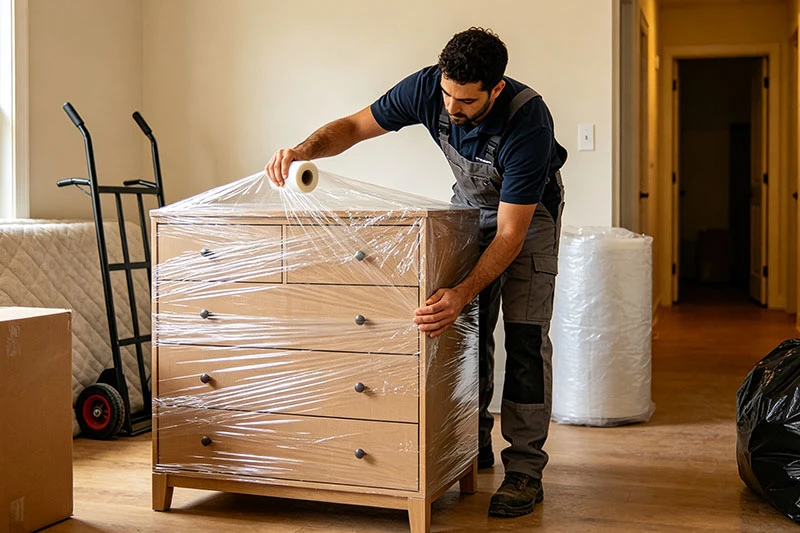
Operators must apply consistent, uniform tension during the wrapping cycle. Over-stretching beyond the material’s yield point induces neckdown and premature tearing, while under-stretching reduces the elastic recovery force, leading to load shifting. Multi-layer cross-wrapping—especially at the pallet base and the top third of the load—is required to ensure structural stability.
Storage Protocols
Pellicola estensibile rolls must be stored in a dry, temperature-controlled environment away from direct sunlight. Exposure to high temperatures or ultraviolet radiation accelerates polymer degradation, causing adhesive breakdown and reducing the film’s tensile strength.
8. Conclusion
Manual stretch film remains a vital component of industrial packaging due to its adaptability, cost-effectiveness, and ease of deployment. By eliminating the need for expensive automation, it provides an efficient securement solution for small-to-medium logistics operations, irregular cargo handling, and decentralized cross-docking environments. Selecting the correct gauge, monitoring raw material purity, and following standard application protocols allows enterprises to minimize product damage, optimize material consumption, and maintain secure supply chain workflows.