


Cold-Applied Pallet Hooding Film
Stretch Hood Film & PE Pallet Hooding Film Manufacturer
Five Sides. One Layer. Zero Heat.
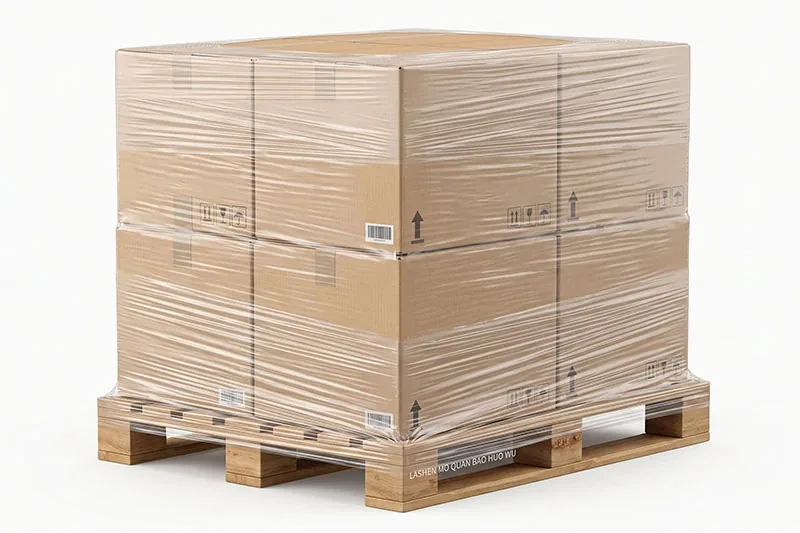
Five-sided pallet protection applied cold — no heat tunnel, no gas, and up to 30% less film than spiral wrap on the same load. Stretch hood film is a tubular PE film that a hooding machine stretches over a pallet and releases, so it grips the load from the top and all four sides. Because it is applied cold, there is no shrink oven, no gas consumption and no heat stress on the product inside — which is why plants running high pallet volumes are replacing both shrink hooding and conventional spiral wrap with it.
We supply hood film in 120 uz 180 micron, flat widths from 500 uz 2,000 mm, clear, tinted and printed. Below: how the process works, which resin grade fits your load, and the machine parameters we need from you to quote.

The Cold Process
How Stretch Hooding Works — and Why It Needs No Heat
Stretch hooding is a cold process. A hooding machine draws tubular film from the reel, cuts it to the required hood length, grips the four corners and stretches it open horizontally — typically beyond the pallet footprint — wider than the pallet. The opened hood is pulled down over the load and released. The film’s elastic recovery does the rest: it contracts back toward its original dimension and grips the pallet from the top and all four sides, without a single degree of applied heat.
Reel Feed and Cut
Tubular film is drawn from the reel and cut to the hood length your pallet height requires.
Stretch Open
Grippers take the four corners and stretch the tube horizontally beyond the pallet footprint. No heat, no oven, no gas.
Hooding
The opened hood is drawn down over the load in a single vertical movement.
Release and Recovery
The grippers let go. The film’s elastic memory pulls it back against the load, generating continuous holding force on all vertical faces.
Five-Sided Seal
Top and four sides are covered in one layer. The pallet base stays open, which is what lets the load be handled by a forklift without cutting the film.

The Hooding Cycle — Reel to Five-Sided Seal

Grippers Stretching the Hood Open on a Live Line
| Stretch hood | Shrink hood | Spiral stretch wrap | |
|---|---|---|---|
| Heat required | No | Yes — shrink oven at ~280 °C | No |
| Energy / gas | None for heating | High | Low |
| Coverage | 5 sides, one layer | 5 sides | 4 sides, multiple layers |
| Film use per pallet | Lower — thinner gauge | Higher | Highest |
| Line speed | High | Lower — limited by heat cycle | Medium |
| Heat risk to product | None | Present | None |
| Print / branding surface | Large, flat top panel | Limited by shrinkage distortion | Narrow bands |
Material Selection
Stretch Hood Film Grades
Five resin systems, one hooding principle. Pick the grade that matches your load profile, storage conditions and branding requirements — or send us the load and we will specify for you.
| Grade | Base resin | Best for | Note |
|---|---|---|---|
| Standard PE | LDPE / LLDPE co-extrusion | General palletised cartons, bagged goods | The default grade. 120 micron. |
| High-strength PE | Metallocene LLDPE blend | Sharp-cornered or heavy loads | Higher puncture resistance 20 N. Lower stretch, so confirm with your hooder settings. |
| UV-stabilised PE | PE + UV stabiliser | Outdoor storage, building materials | 12 months outdoor stability. |
| Printed PE | PE, surface-printable | Brand visibility, retail-ready pallets | Up to 8 colours on the top panel. |
| Biodegradable | Plant-based resin blend | Loads with a composting route at destination | See /biodegradable-stretch-film/ for certification detail. |
The Factory
Vistech Stretch Hood Film — Factory Profile
We have been extruding stretch film in Dongguan for 10 years. Stretch hood is the most specification-sensitive product we make: flat width, layflat tolerance and elastic recovery all have to sit inside your hooder’s working window, so we slit and test to your machine’s parameters rather than to a generic catalogue spec.
Hood film is produced on 30 cast lines with a combined output of 3,000 tons a year. Gauge is held to ±5% across the roll, and every production batch is checked for layflat width, elongation and elastic recovery before it leaves the floor — with independent verification available on request.

Cast Extrusion Hall — 30 Lines, 3,000 Tons a Year
Inside The Plant
Production Workshop
Hood film is cast, not blown — that is what gives it the gauge uniformity and optical clarity a hooder needs. Rolls are slit to your layflat width with a tolerance of ±5 mm, and elastic recovery is checked per batch because it is the property that actually holds the load once the grippers release.


Why Stretch Hood
Stretch Hood Film Features
Five-Sided Protection in a Single Layer
One hood covers the top and all four vertical faces. The pallet base stays open, so forklifts can still handle the load without cutting film. Because the film is stretched rather than spiralled, there are no overlapping wraps at the corners — the load sees continuous holding force instead of banded tension, which is why hooded pallets hold up better under repeated handling.
No Heat, No Gas, No Oven
The hood is applied cold. Removing the shrink oven eliminates gas consumption, the warm-up wait at shift start, heat-exposed components that wear, and the risk of heat damage to heat-sensitive product inside the pallet. On high-volume lines this is usually the single largest operating-cost difference.
Clarity for Scanning and Inspection
8% haze, so barcodes scan through the film and loads can be checked at the dock without opening. The flat top panel also gives you a large, undistorted surface for printed branding — spiral wrap gives you narrow bands, and shrink hood distorts print as it contracts.
Puncture and Weather Resistance
20 N puncture resistance, 25 MPa tensile. UV-stabilised grades hold 12 months outdoors for building materials and yard storage. Waterproof — the top panel sheds rain rather than pooling it.
Lower Film Use per Pallet
A hood uses one layer of thinner film against multiple overlapping layers of spiral wrap, typically 30% less film per pallet at equivalent load retention. Thinner gauge also means less material to dispose of at the destination.
Where Stretch Hood Is Not the Right Choice
Stretch hood needs a hooding machine — if you are wrapping by hand or on a conventional turntable, this is not a drop-in change. It also suits regular, boxed or bagged loads best; for highly irregular shapes, shrink hood conforms more tightly because heat lets the film follow the contour. We will tell you if your load profile is a poor fit.
Technical Data
Stretch Hood Film Specifications
| Parameter | Standard PE | High-strength PE | UV-stabilised | Printed |
|---|---|---|---|---|
| Thickness | {{x}} micron | {{x}} micron | {{x}} micron | {{x}} micron |
| Layflat width | {{x}}–{{x}} mm | {{x}}–{{x}} mm | {{x}}–{{x}} mm | {{x}}–{{x}} mm |
| Hood length (cut length) | {{x}}–{{x}} mm | {{x}}–{{x}} mm | {{x}}–{{x}} mm | {{x}}–{{x}} mm |
| Max pallet height | {{x}} mm | {{x}} mm | {{x}} mm | {{x}} mm |
| Max pallet footprint | {{x}} × {{x}} mm | {{x}} × {{x}} mm | {{x}} × {{x}} mm | {{x}} × {{x}} mm |
| Horizontal stretch | up to {{x}}% | up to {{x}}% | up to {{x}}% | up to {{x}}% |
| Elastic recovery | {{x}}% | {{x}}% | {{x}}% | {{x}}% |
| Tensile strength (MD) | {{x}} MPa | {{x}} MPa | {{x}} MPa | {{x}} MPa |
| Puncture resistance | {{x}} N | {{x}} N | {{x}} N | {{x}} N |
| Haze | {{x}}% | {{x}}% | {{x}}% | {{x}}% |
| UV stability | {{x}} months | {{x}} months | {{x}} months | {{x}} months |
| Colour | Clear | Clear | Clear / tinted | Up to {{x}} colours |
| Reel length | {{x}} m | {{x}} m | {{x}} m | {{x}} m |
| MOQ | {{x}} rolls | |||
| Lead time | {{x}} days standard, {{x}} days custom | |||
Full Product Range
Other Stretch Film Products
| Produkts | Best for | Key spec |
|---|---|---|
| Mašīna Stretch Film | Turntable and rotary-arm wrapping — the alternative if you have no hooder | 20 micron, up to 300% pre-stretch |
| Rokas stiepjama plēve | Low-volume or irregular loads, manual application | 20 micron, extended core option |
| Apdrukāta Stretch Filma | Brand visibility and anti-tamper in transit | Up to 8 colour print |
| Bioloģiski noārdāma elastīga plēve | Loads with a composting route at the destination | ASTM D6400 / EN 13432 |
| Standard LLDPE Stretch Film | Cost-sensitive loads, conventional equipment | Full gauge range |
| Plastmasas paletes pārsegs | Loose-fit covers — often compared against hooding | Loose-fit covers, 80–150 micron, sized to pallet footprint |
Certified Quality
Global Compliance & Certified Quality Benchmarks
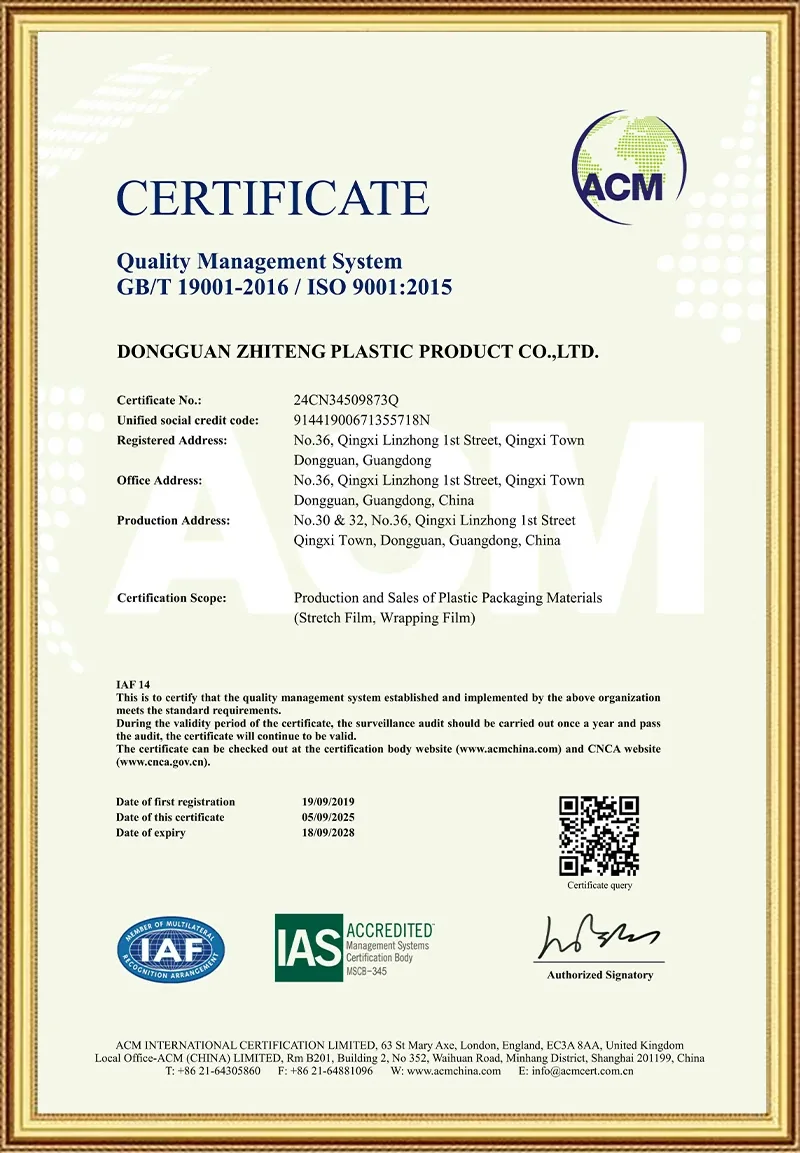
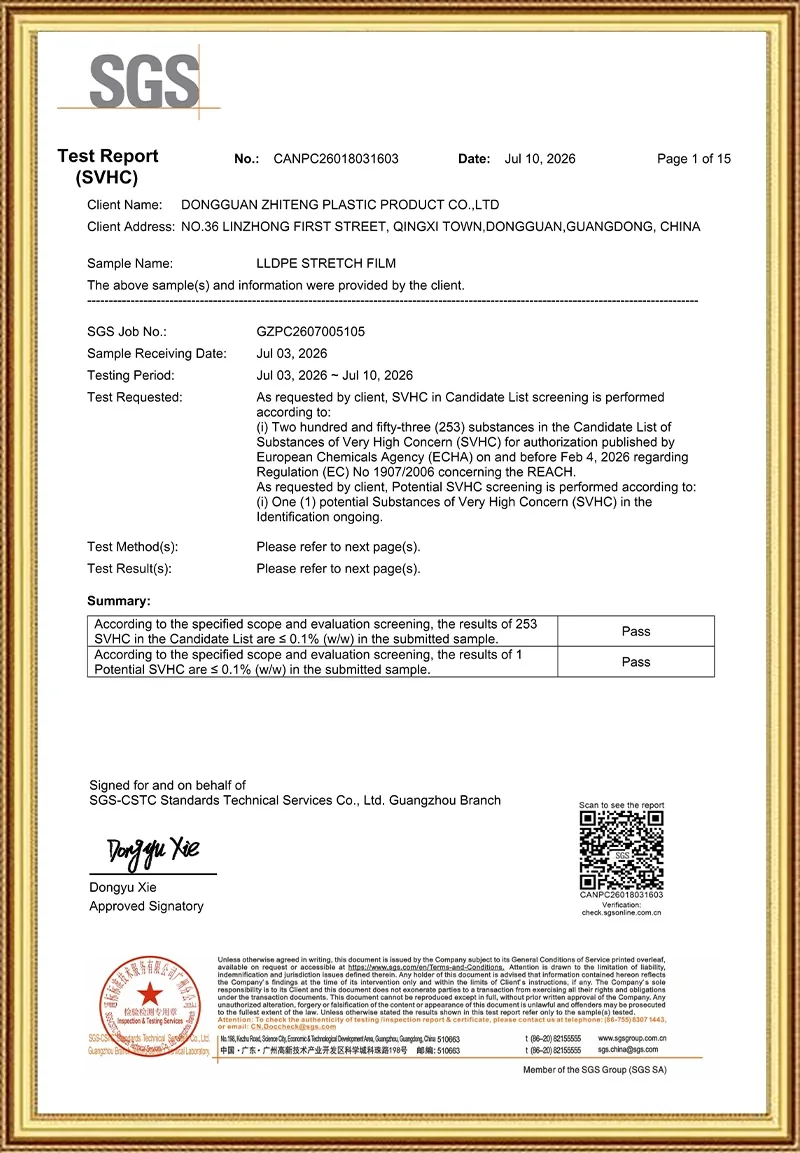
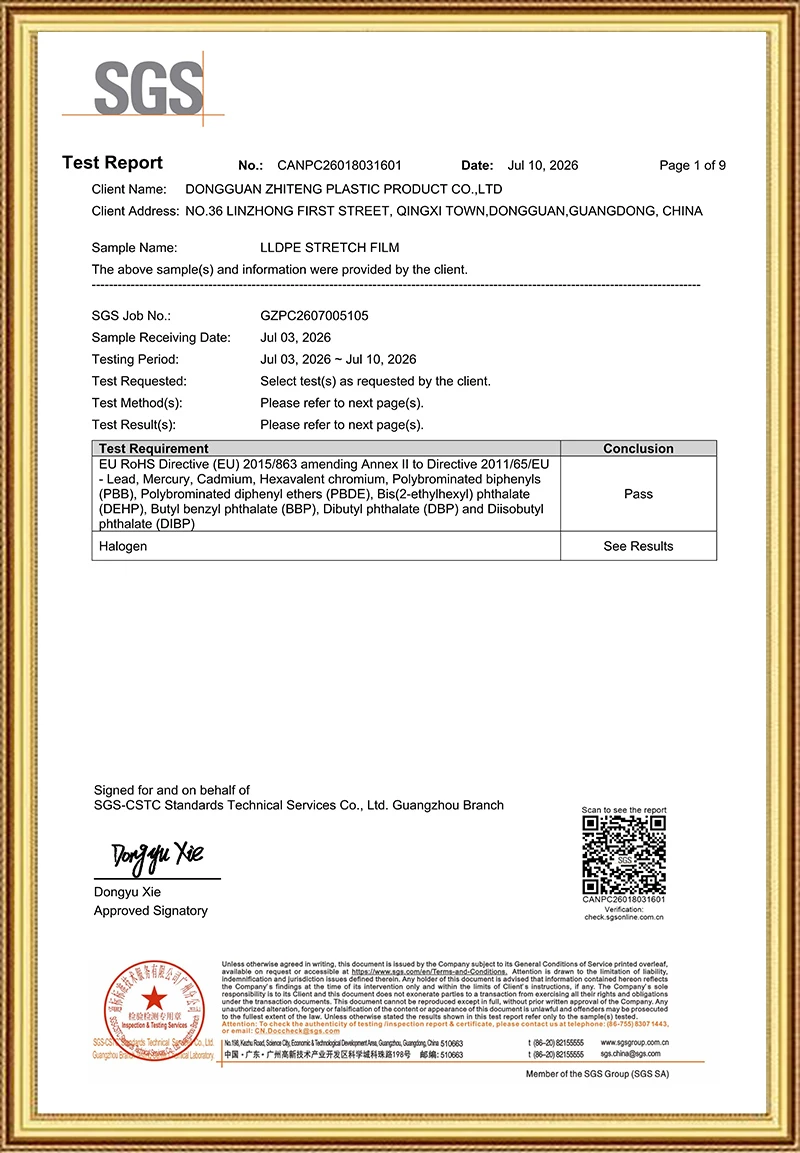
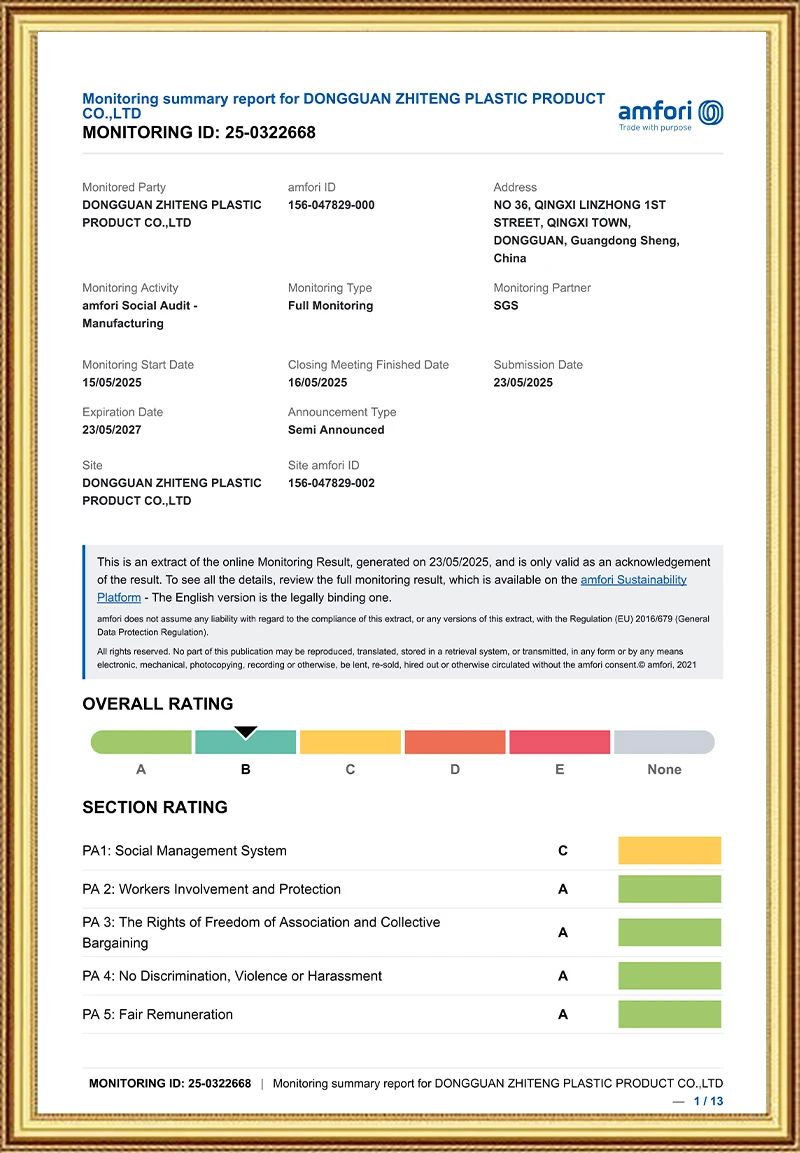
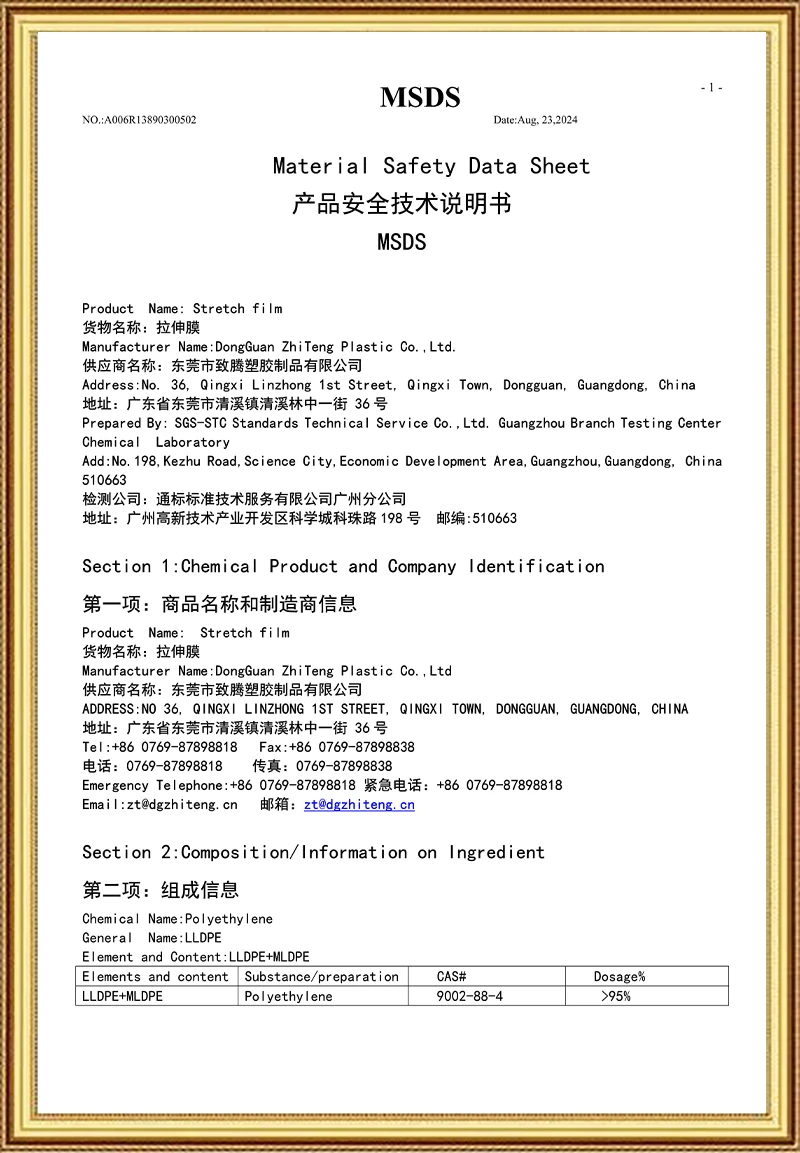
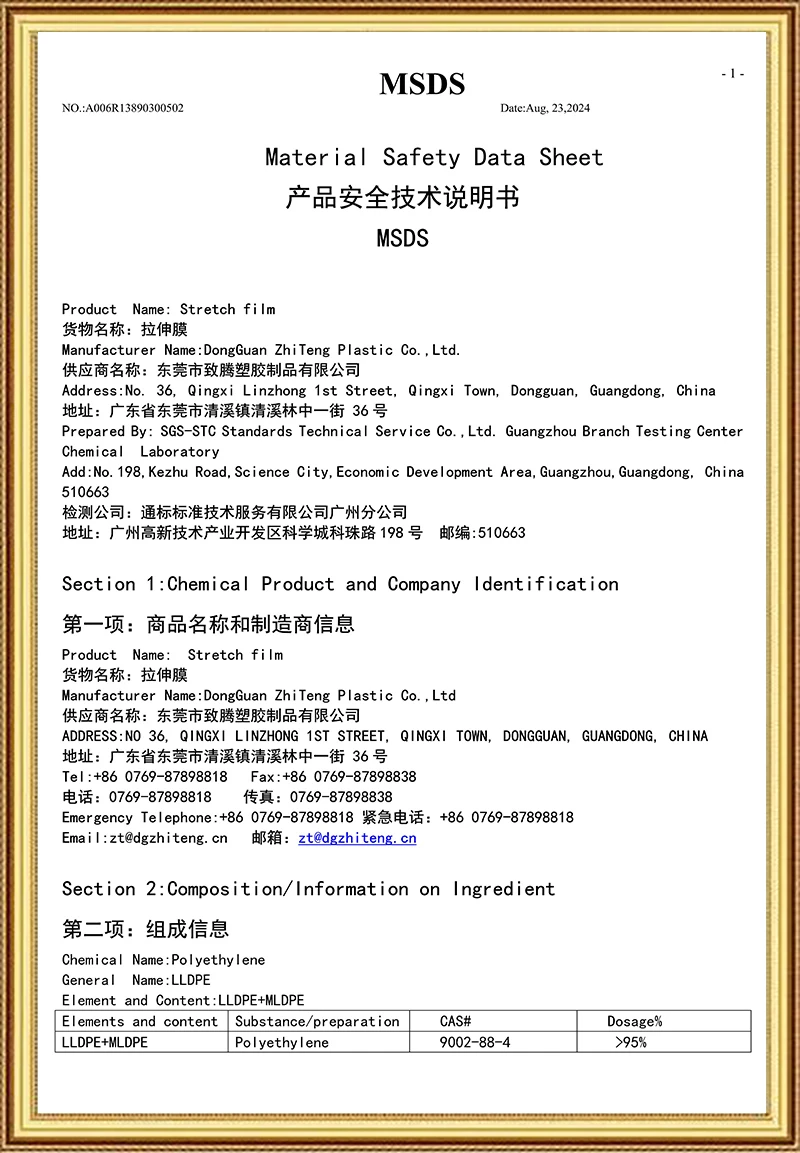
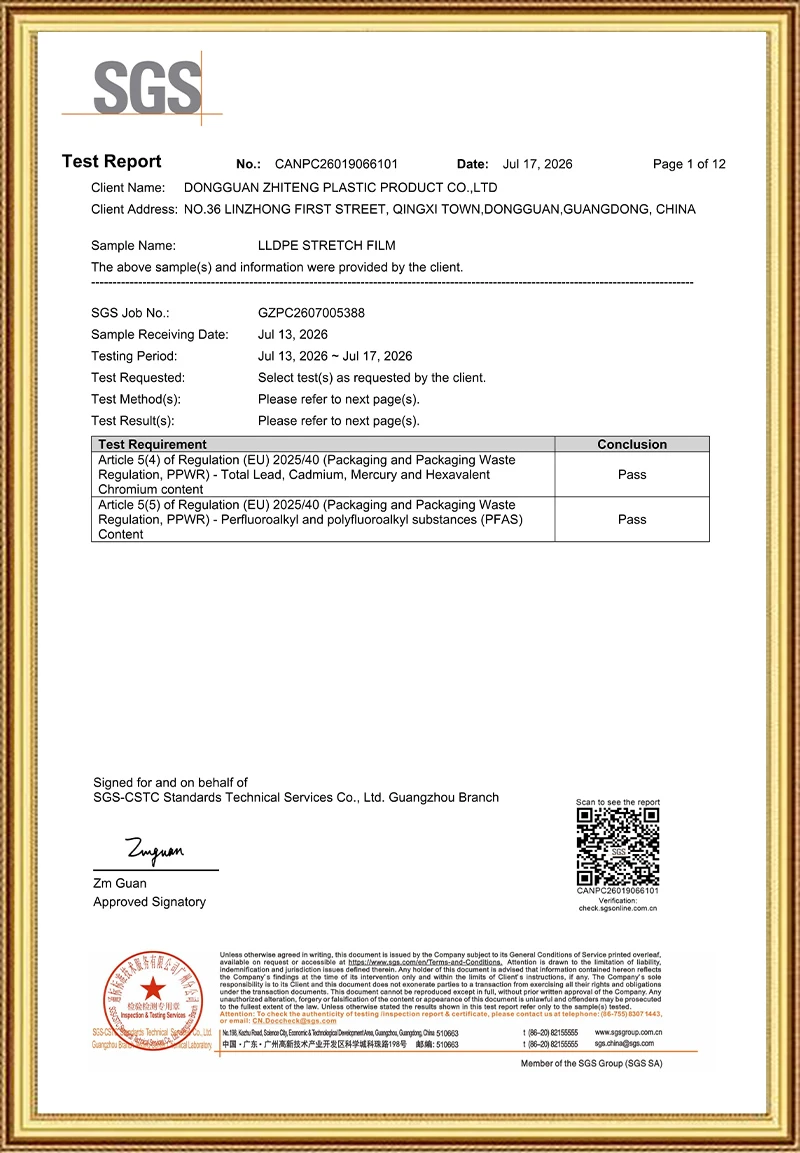
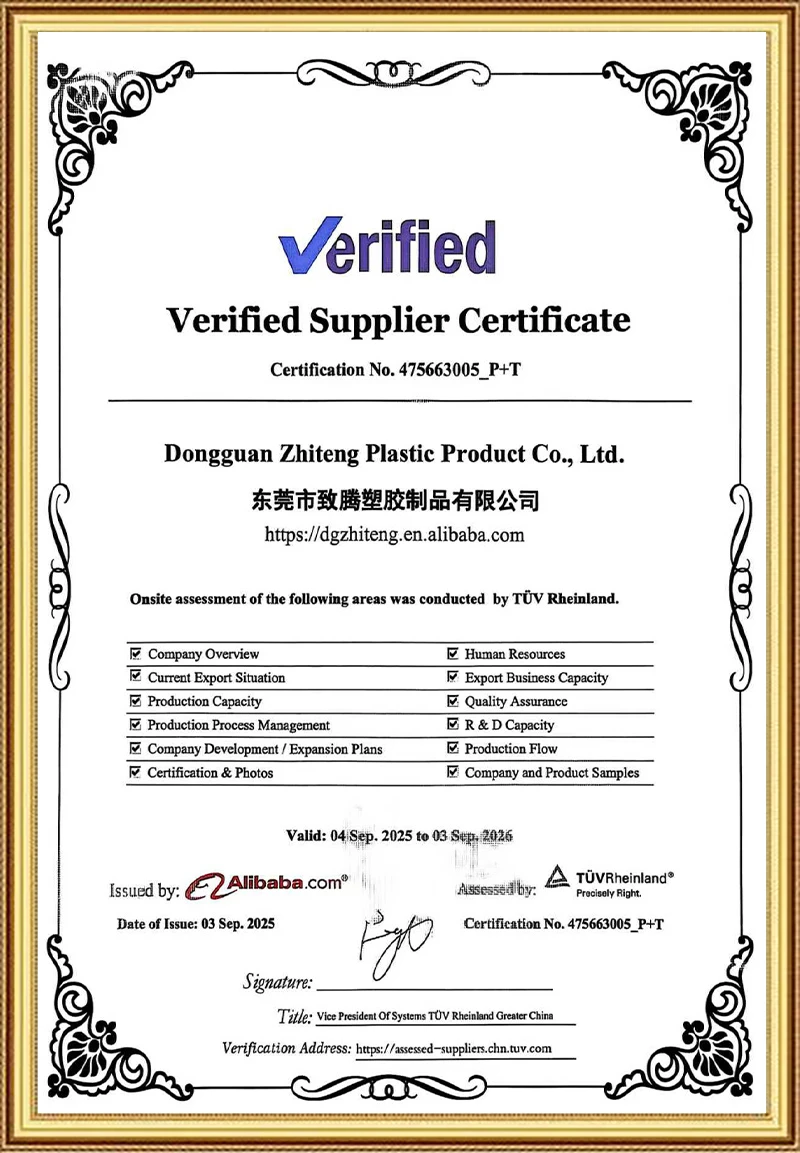
Our commitment to elite performance and sustainability is backed by rigorous international standard testing. Our corporate infrastructure and stretch film production processes are fully certified under ISO 9001 for quality management and ISO 14001 for environmental systems.
Applications
Loads That Get the Most From Stretch Hood
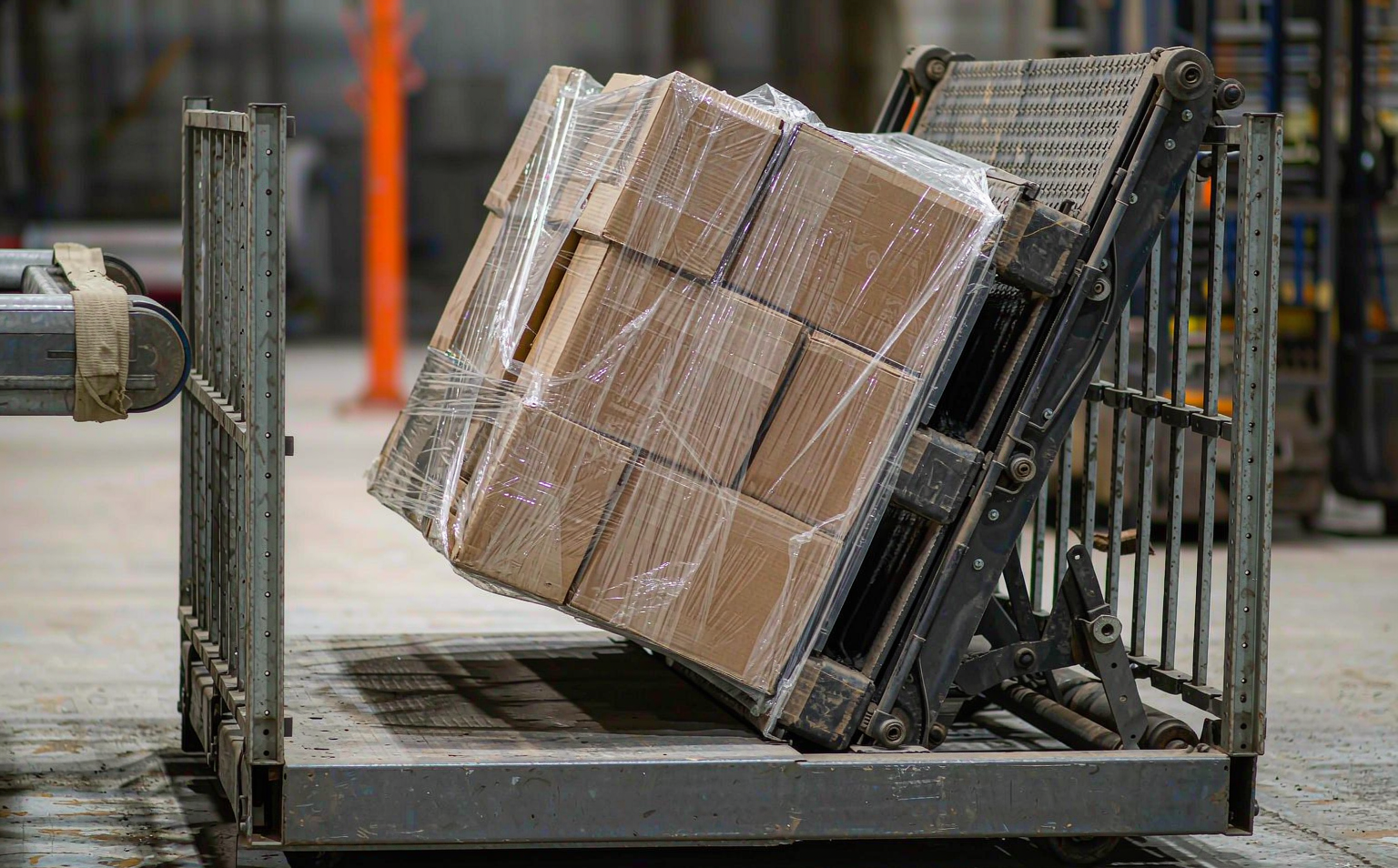
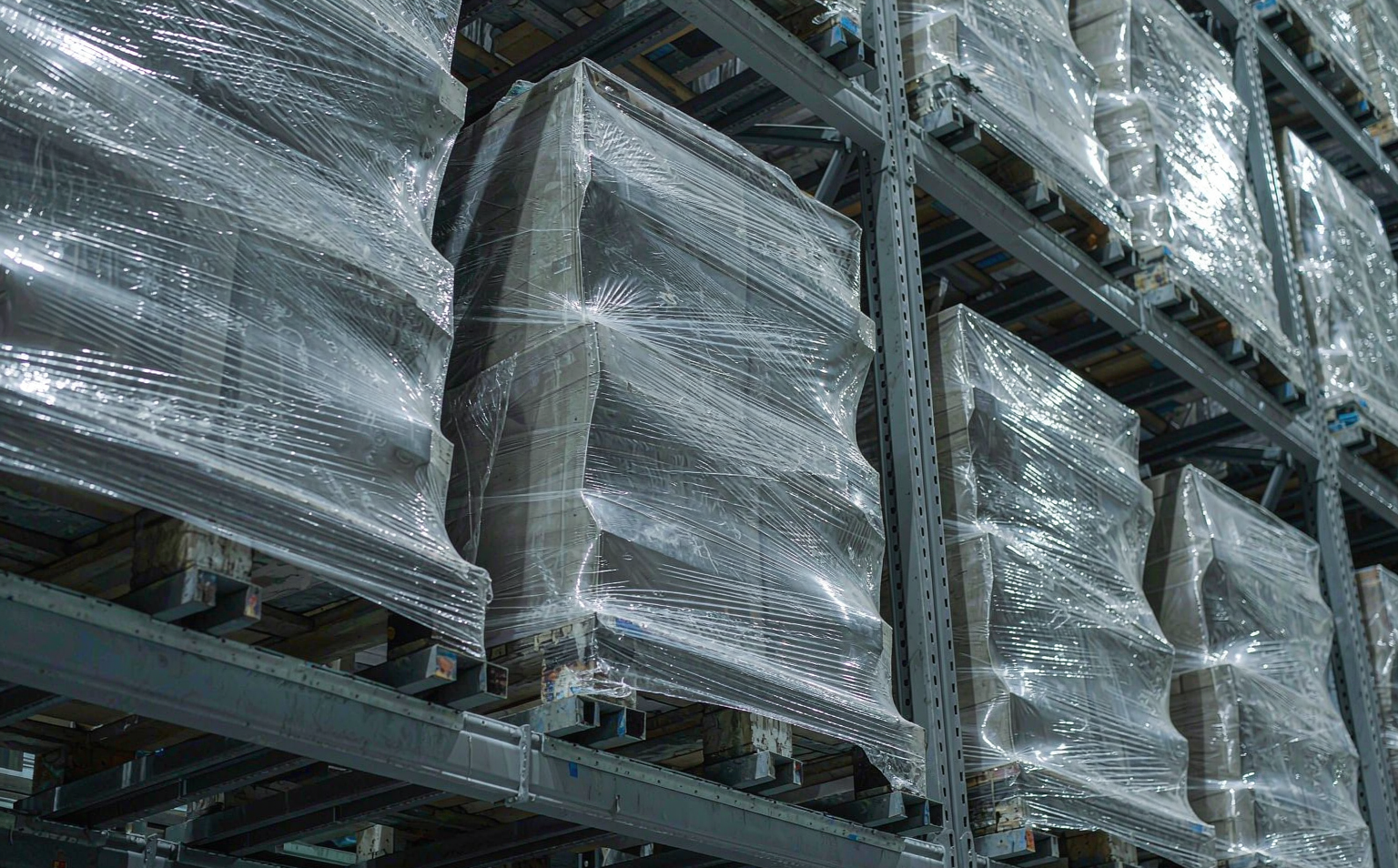
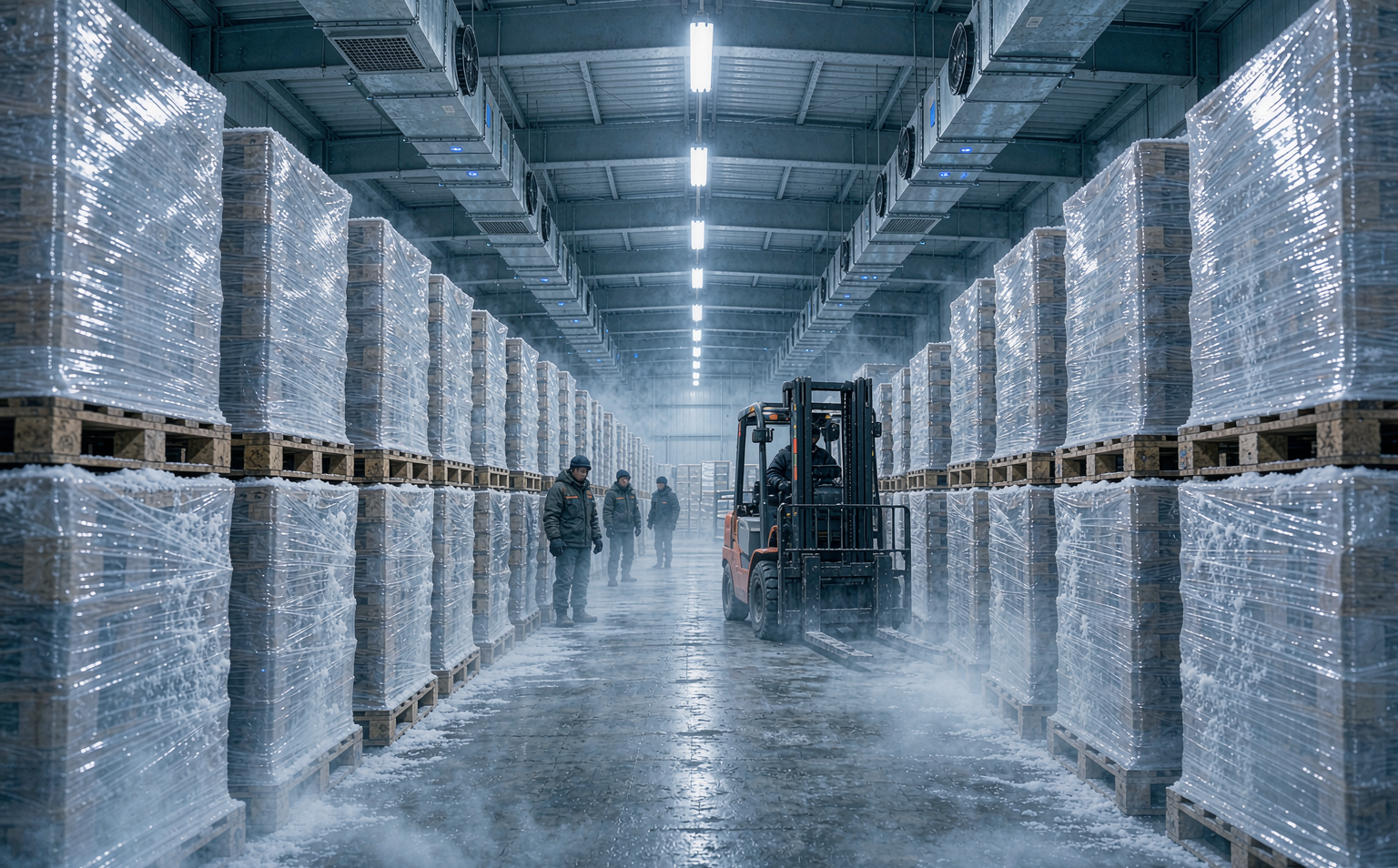
Stretch hood earns its keep on uniform, high-throughput pallets where weather protection and scan-through clarity both matter — and where every second of cycle time is worth money.
Expert Insight
What a Hooder Really Demands From Its Film

Stretch hood is a systems purchase: the wrapper is only as good as the film the grippers pick, stretch and release. Three film properties decide whether the line runs at rated speed or stops for tube breaks.
- Gauge uniformity and a ±5 mm layflat slit tolerance prevent gripper slips
- Optical clarity keeps barcode scan-through alive at the dispatch scan
- Elastic recovery — not tensile strength — is what holds the load after release
- Match the film slip class to your hooder’s sealing jaw temperature
FAQ
Frequently Asked Questions About Stretch Hood Film
No. This is the main difference between stretch hooding and shrink hooding. A stretch hooder grips the four corners of a tubular film, stretches it open horizontally, draws it down over the pallet and releases it. The film’s elastic recovery grips the load — no heat, no shrink oven, no gas. Shrink hooding, by contrast, needs an oven to contract the film onto the load.
Stretch wrap spirals a narrow web around the load in multiple overlapping layers, covering four sides. Stretch hood pulls a single tubular hood over the top and all four sides in one movement. The hood typically uses less film at equivalent load retention, gives a flat printable top panel, and runs faster on automated lines — but it requires a hooding machine rather than a turntable or a hand dispenser.
Yes — stretch hood film is applied by a hooding machine, not by hand or on a conventional stretch wrapper. If you already run a hooder, we slit film to its working width range. If you are evaluating the switch, the main variables are pallets per hour, pallet size range, and whether your loads are regular enough for hooding. Tell us your volume and we will tell you honestly whether the capital cost is justified for your line.
Layflat width is driven by your pallet footprint plus the horizontal stretch the film will take; hood length is driven by pallet height plus the top overlap. Send us footprint, maximum height and load type, and we will calculate both and confirm they sit inside your hooder’s working range before you order.
Best results on regular, boxed or bagged loads — cartons, bricks and blocks, bagged cement and chemicals, paper and tissue, bottled and canned goods. Highly irregular or sharply protruding loads are better served by shrink hooding, because heat lets the film conform to the contour where cold-stretched film cannot. We will say so if your load profile is a poor fit.
Typically 30% less film per pallet at equivalent load retention, because a hood is one layer of thinner film rather than multiple overlapping wraps. The exact figure depends on pallet dimensions and the wrap pattern you are currently running — send us your current specification and we will calculate it.
Yes, up to 8 colours. The flat top panel is the largest undistorted print surface of any pallet covering method — spiral wrap gives you narrow bands and shrink hood distorts print as the film contracts.
Our UV-stabilised grade holds 12 months outdoors, specified for building materials and yard storage. Standard grade is intended for covered transit and warehousing; if your pallets sit outside, say so when you enquire.
500 rolls for stocked grades; custom layflat, cut length, gauge or print carry a MOQ of 2,000. Lead time is 15 days for standard and 25 days for custom. Sample rolls are free; courier cost is billed at cost.
Factory management system: ISO 9001 and ISO 14001. Material testing: tensile and elongation to ASTM D882, caurduršanas pretestība, haze to ASTM D1003.
From The Blog
Our Latest News

Extended Core vs. Standarta ar roku stiepjama plēve: Strādnieku ergonomikas analīze
Extended core vs standard core hand stretch film — which is easier on workers? Salīdziniet saķeri, plaukstas locītavas sastiepums, dozatoru vajadzības, un maiņas skaļuma fit.
Rokas stiepjamās plēves biezuma rokasgrāmata: Izvēle starp 12 uz 30 Mikroni
Izvēlieties pareizo roku stiepjamās plēves biezumu no 12 uz 30 mikroni: saskaņojiet mērinstrumentu ar kravas svaru, malu profils, tranzīta nosacījumi, un izmaksas par vienu iesaiņotu paleti.
Mašīnas ietīšana vs. Siksnas: Kopējās īpašumtiesību izmaksas (TCO) Salīdzinājums
Salīdziniet mašīnas elastīgo ietīšanu un. siksnas pēc kopējām īpašuma izmaksām. Skatiet, cik katra metode patiesībā maksā par vienu paleti, kad siksnu uzvar, un kad to dara filma.
100% Safety Guaranteed
We provide very good quality and competitive prices for all our products.