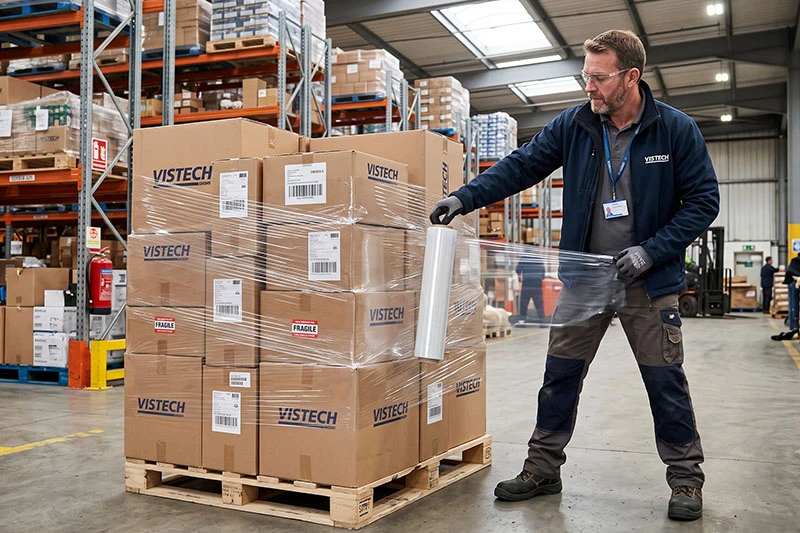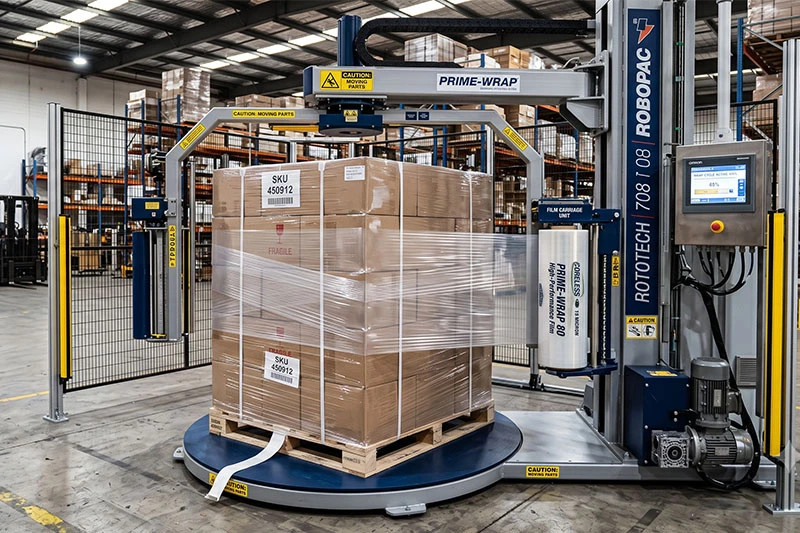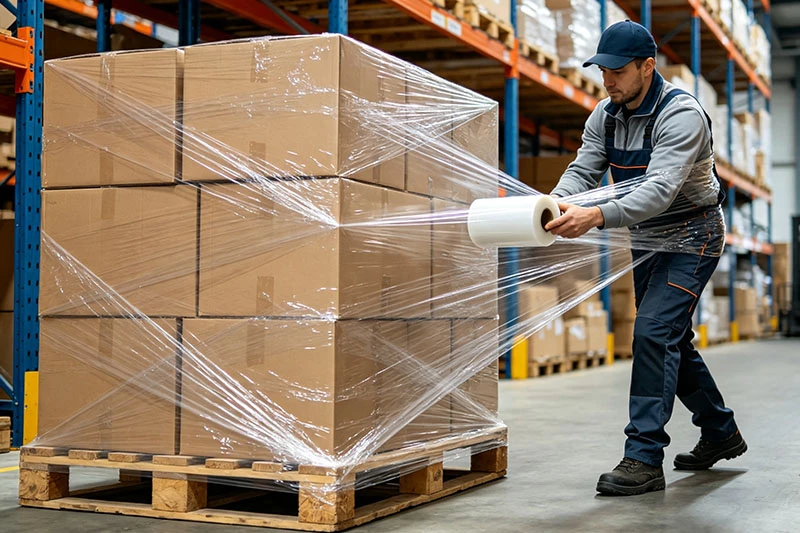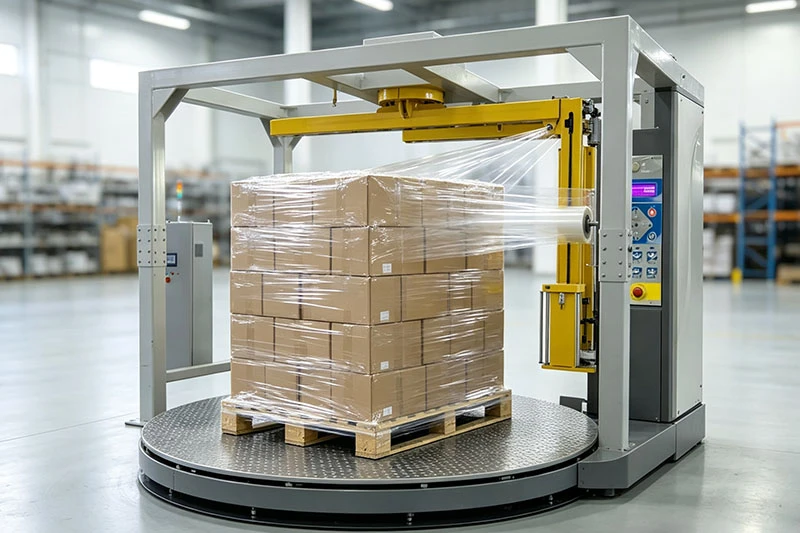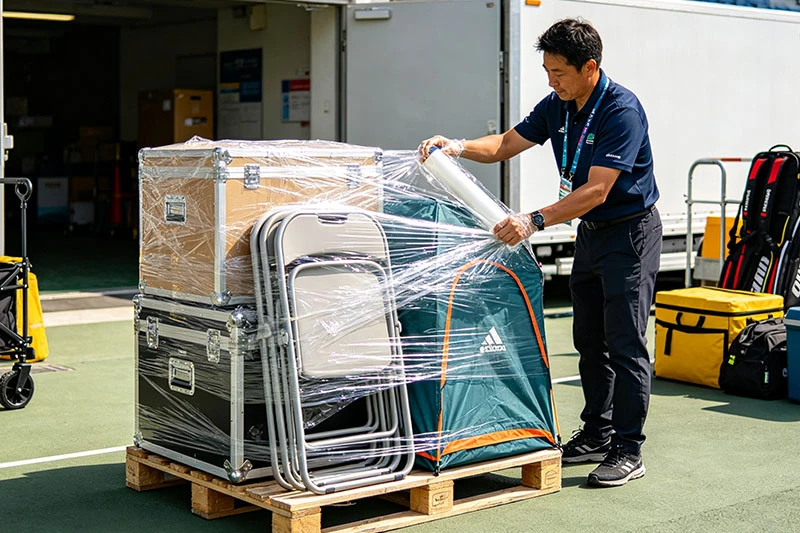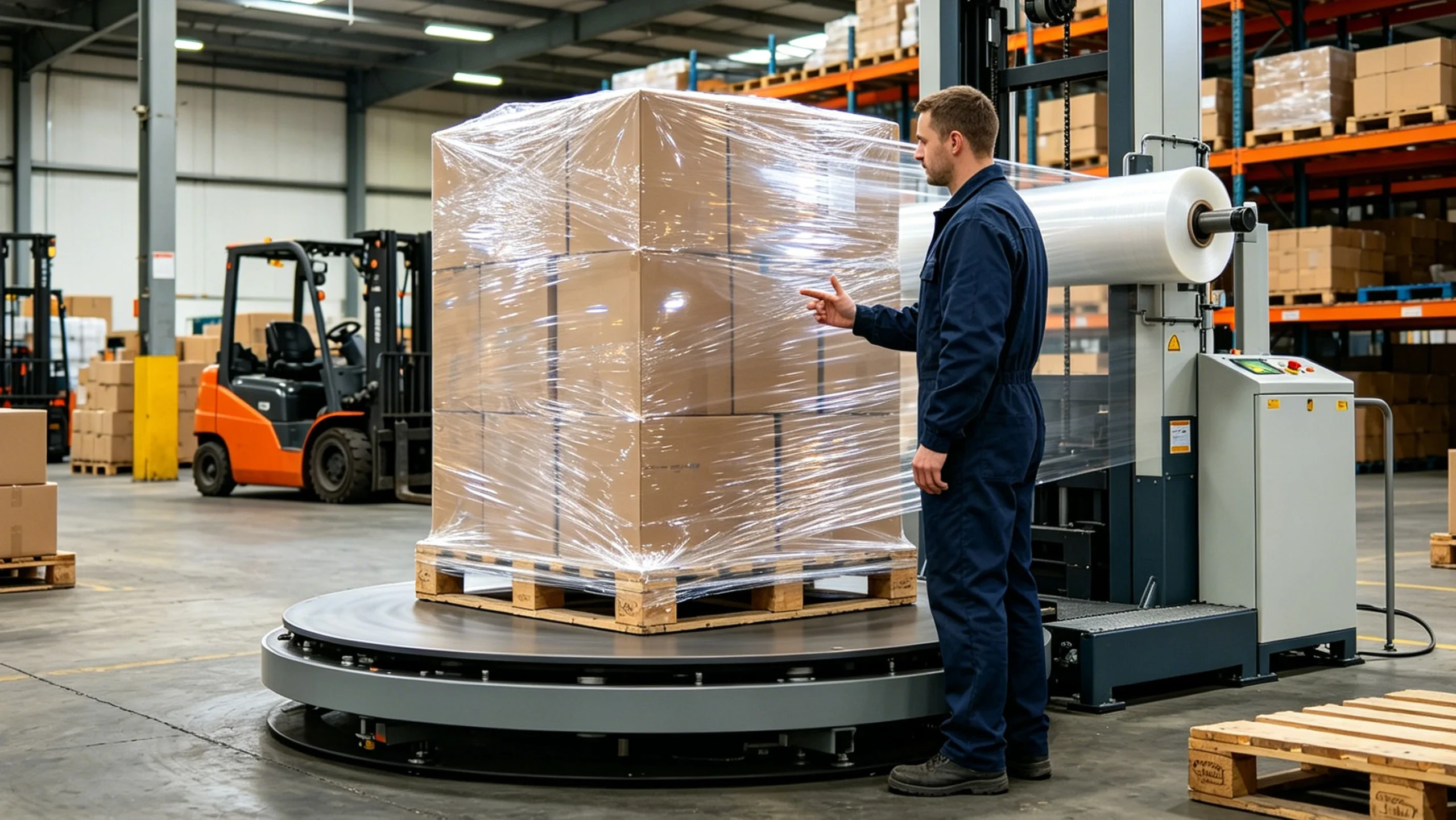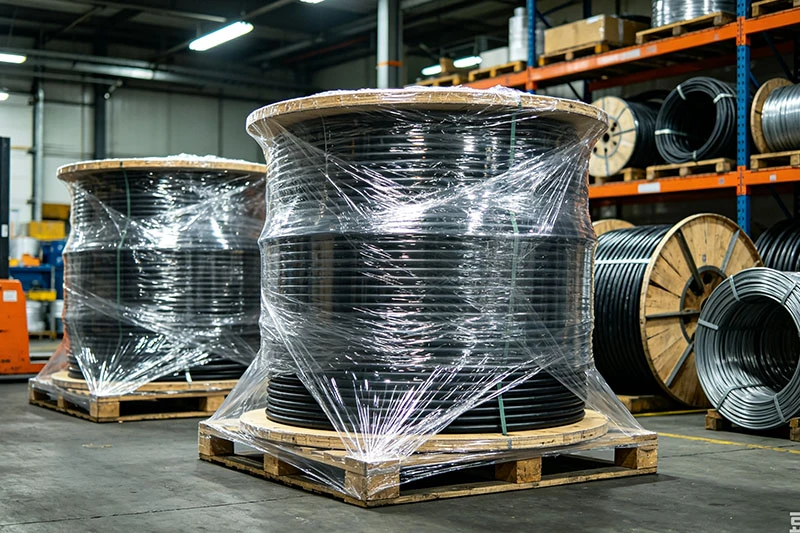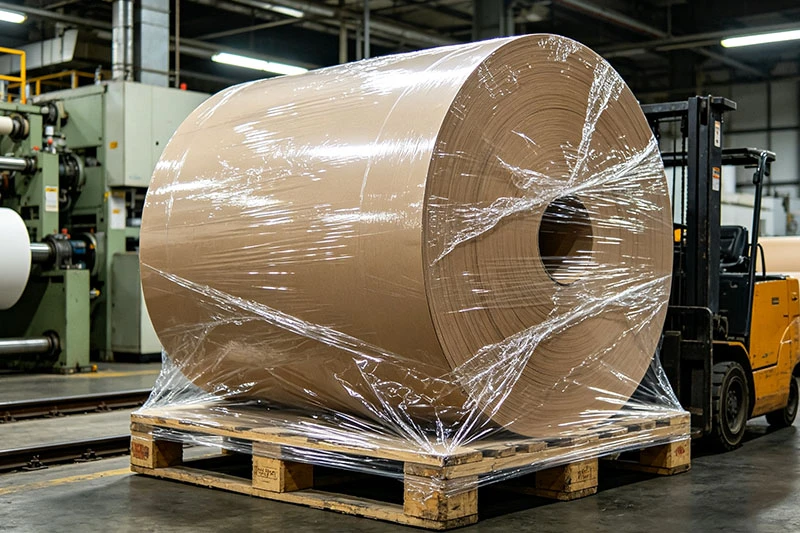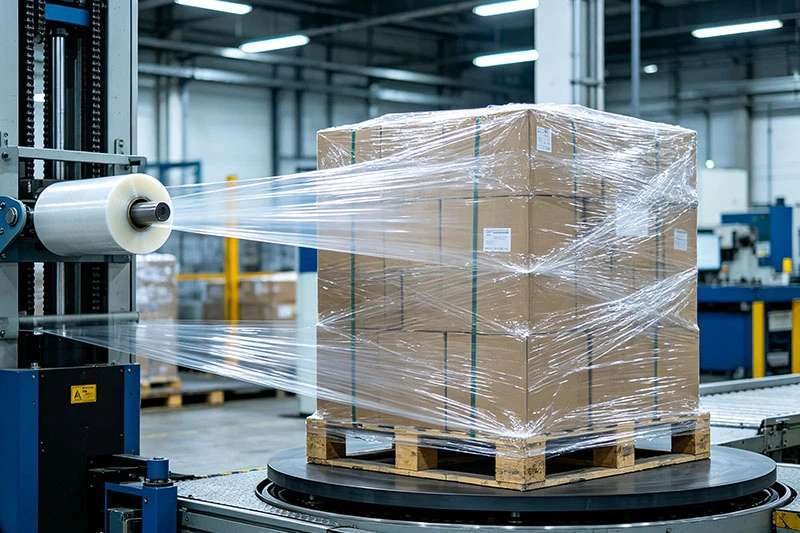


Kiriata totoro protects products from dust and dirt during storage and goods from expensive damage during shipping. He mea tino nui te tukanga whakangao ki te raina raro o te kamupene, so choosing the suitable kiriata totoro is especially important. Companies should consider the following factors when choosing kiriata totoro packaging materials.
There are several factors to consider when selecting the kiriata totoro.
Are you trying to determine which kiriata totoro is suitable for your packaging operation? Many purchasing managers often focus on cost per roll when selecting a kiriata totoro, but this shopping mentality can lead to unforeseen waste and load damage. Not only do goods need proper packaging to be transported safely and efficiently, but they also need to be packaged for delivery and invoicing. Consignees of goods have also been known to refuse to take delivery if there is evidence of any potential damage during transit.
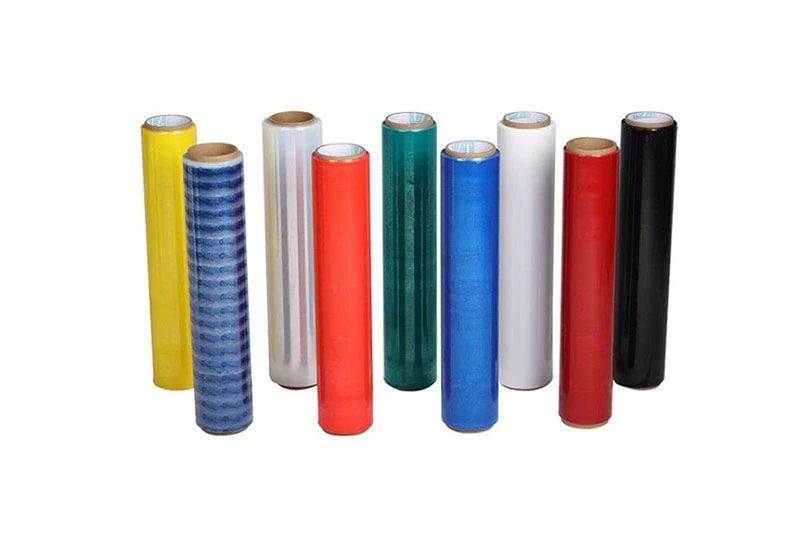
Consider these additional factors to wrap your goods efficiently and economically with kiriata totoro.
Load – weight, and shape
Kiriata totoro should be selected based on the specific requirements of each load. These specifications, called pallet profiles, require the kiriata totoro to provide the proper seal based on the location, weight, and type of items being wrapped. To select the proper kiriata totoro for your operation, consider the following characteristics.
Load characteristics
- Uniform profile with clean edges
- Irregular, uneven edges
- Does not conform to sharp edges
Pallet Weight
- Maama: < 1000 lbs.
- Media: 1000-2000 lbs.
- Te taumaha: > 2000 lbs.
Forced Load
The next thing to consider when choosing kiriata totoro for your machine is the load force of the film itself, sometimes called the retention or binding force. Load force essentially refers to how far you can stretch the film and how it springs back, indicating how well the film will hold the load.
Some films have better load forces, and while these kiriata totoro may be more expensive, they will typically cost less per load and cause less damage to the products.
To determine the proper kiriata totoro, it is essential to look at the loading forces in all three directions – top, middle, and bottom of the kiriata totoro. You can stretch the film farther, reduce the required wraps or possibly reduce the thickness of the film material.
Pre-stretch limits and secondary stretch
When choosing the proper kiriata totoro, there are other factors besides retention force. Different loads require different pre-stretch limits, load forces, and secondary stretches working in concert.
The pre-stretch limit is how much the film can be stretched between two rolls rotating at different speeds during machine operation. The utility of pre-stretch is economical and adjustable, which is related to the amount of load allowed per roll of kiriata totoro.
Secondary tension is where you apply tension between the last drum of the machine and the load itself. This feature allows you to optimize the tension control of the machine and adjust the force load.
Kiriata totoro sizes and thicknesses
The higher the kiriata totoro gauge, the thicker the film will be, and the more durable and, thus, the more reliable the load will be. So many other factors come into play when choosing the correct gauge and thickness of the kiriata totoro. For kiriata totoro inquiries, please get in touch with ZhiTeng Plastic Product Co.
Many business owners think they can save money by choosing a lower gauge (reduced thickness), but this generally requires increasing loads (revolutions) wrapped in film. Not only does this result in higher costs per load, but it also increases the wear and tear on the machine itself, which slows down the production line.
We recommend choosing the right size kiriata totoro that requires the least number of wraps, which reduces the amount of work required on the machine, minimizes unnecessary wear and tear, and increases production speed.
Material, labor costs, and time
In choosing the correct film for the machine’s load capacity, you should also consider the volume and frequency of the shipped items. How many products do you ship at a time? How much time does each product take to leave the plant? How much kiriata totoro do you use for each package? Once you can track this data, you can select the most efficient kiriata totoro for your packaging application needs and budget.
Lead Time
Choosing the suitable kiriata totoro requires understanding the transportation cycle for each load, which varies significantly between shipping across town to distribution centers and shipping through the Rocky Mountains to California. The longer a load must travel, the more stops and starts it will experience, and the more it will be subject to increased package movement and pushing. The last thing you want is for a shipment to tip over on delivery due to packaging errors.
Choosing the suitable kiriata totoro with the proper load force for the product’s characteristics allows the user to package so that the load and skid stay together and are positioned correctly, regardless of the shipping conditions. In addition, the mode of transportation is a crucial factor to consider. Choosing the suitable takai totoro will ensure that items shipped by truck, plane, or ship remain intact throughout their journey.
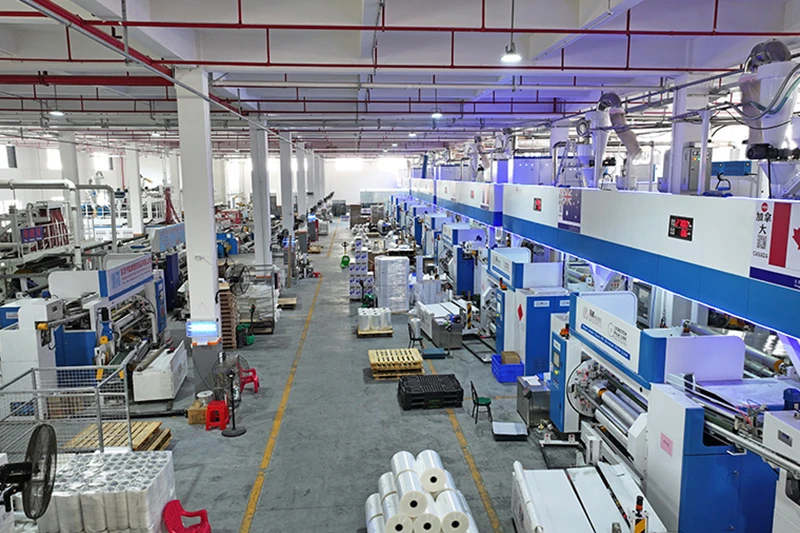
Choosing a Reliable Kiriata Totoro Manufacturer
Choosing a reliable kiriata totoro manufacturer can introduce many things, the first of which is quality. A reliable manufacturer can provide you with the best quality kiriata totoro at an affordable price and with years of experience in production.
Dongguan Vistech Plastic Product Co., Ltd is a professional manufacturer of new plastic products and supporting packaging products, with more than 24 years of experience in kiriata totoro manufacturing, with a group of professional and technical personnel using advanced technology and equipment. Welcome to consult kiriata totoro-related advice!