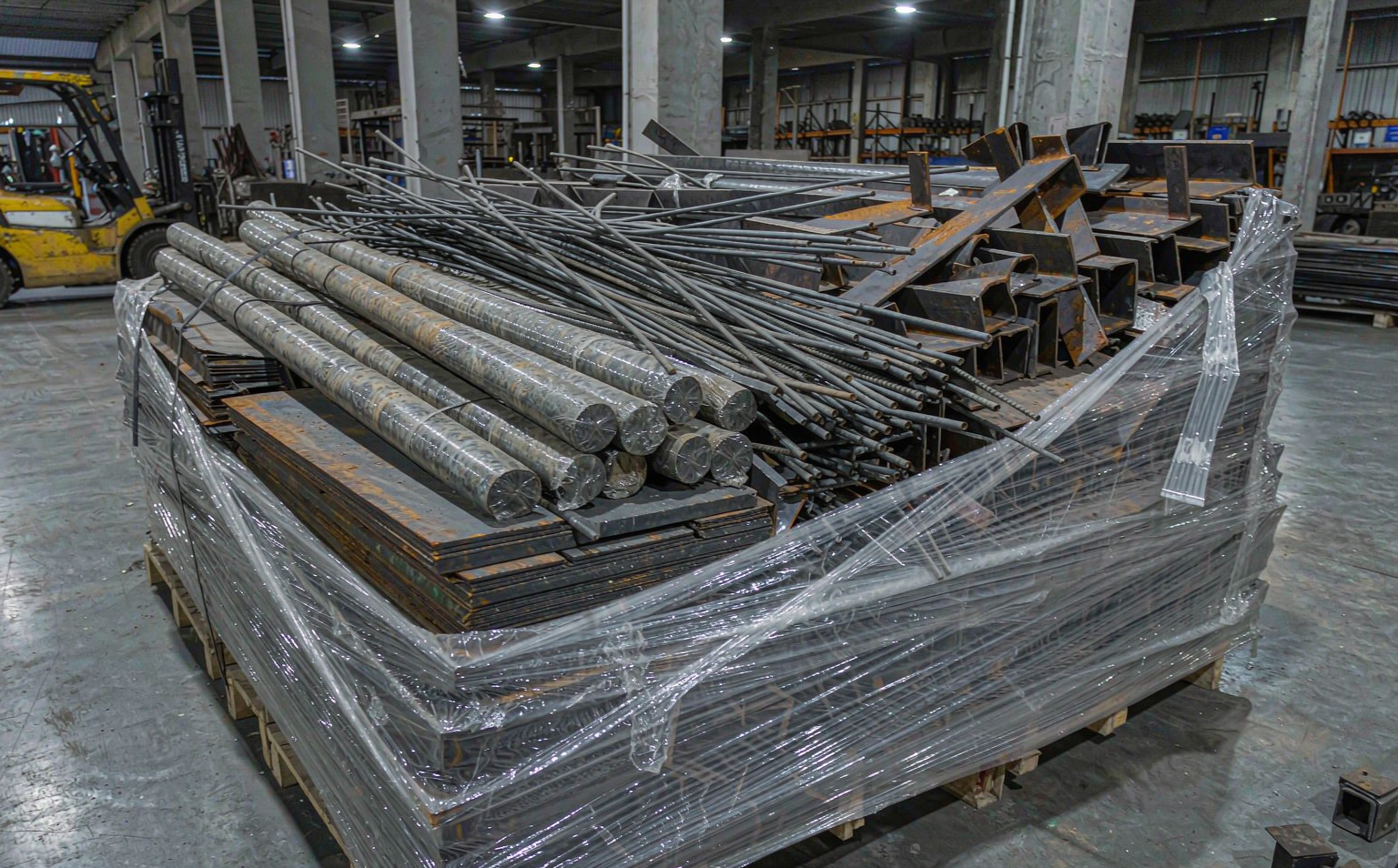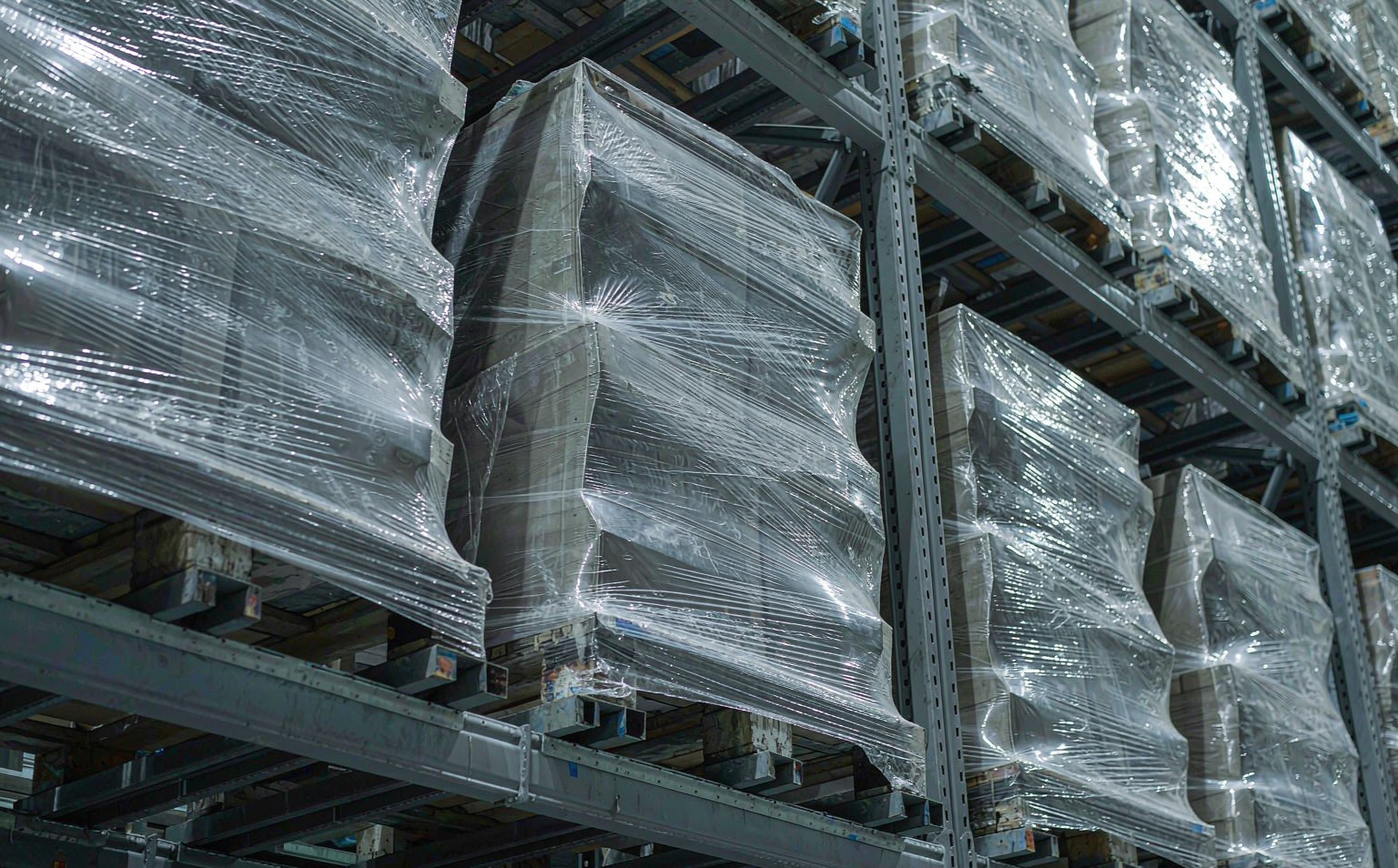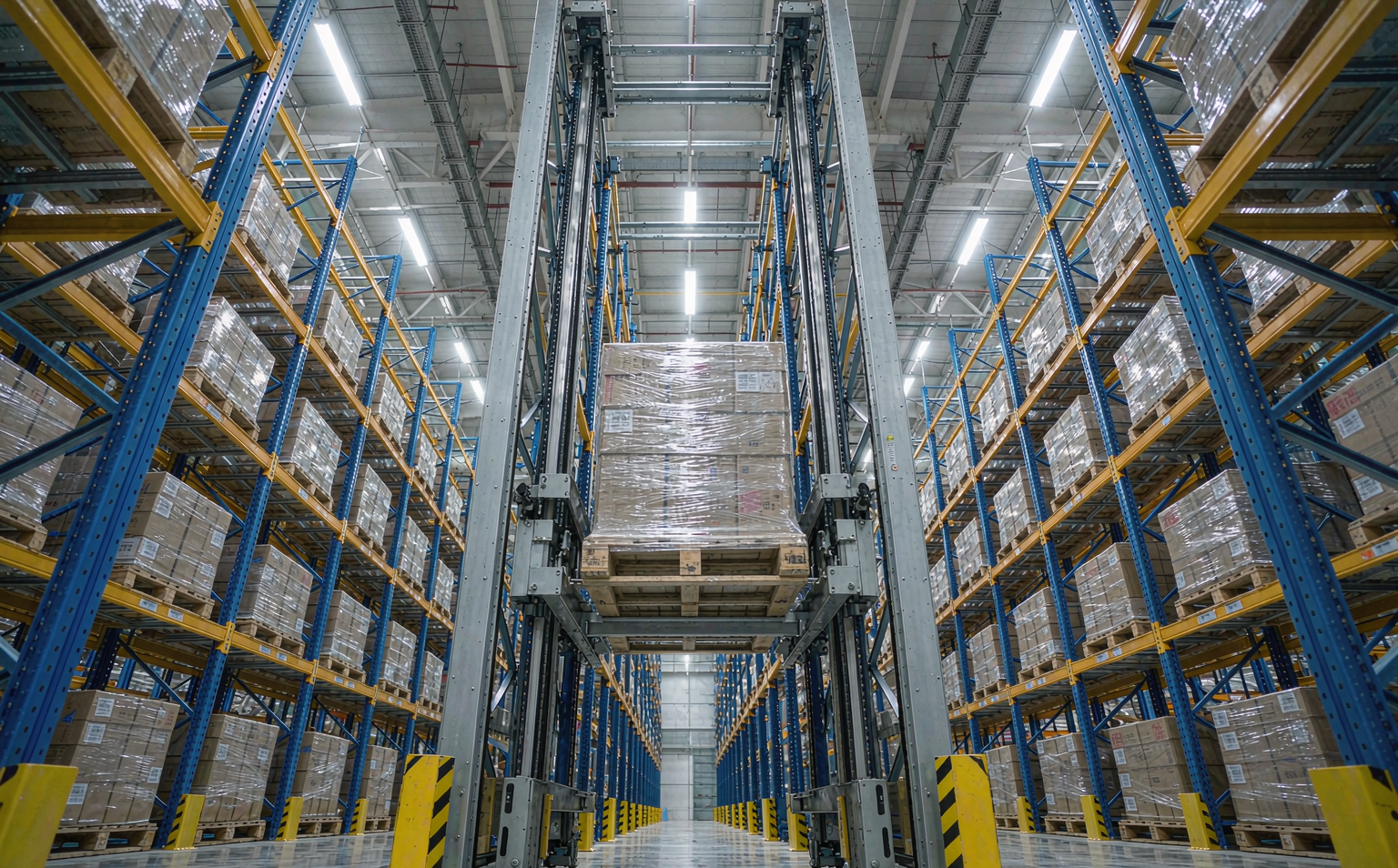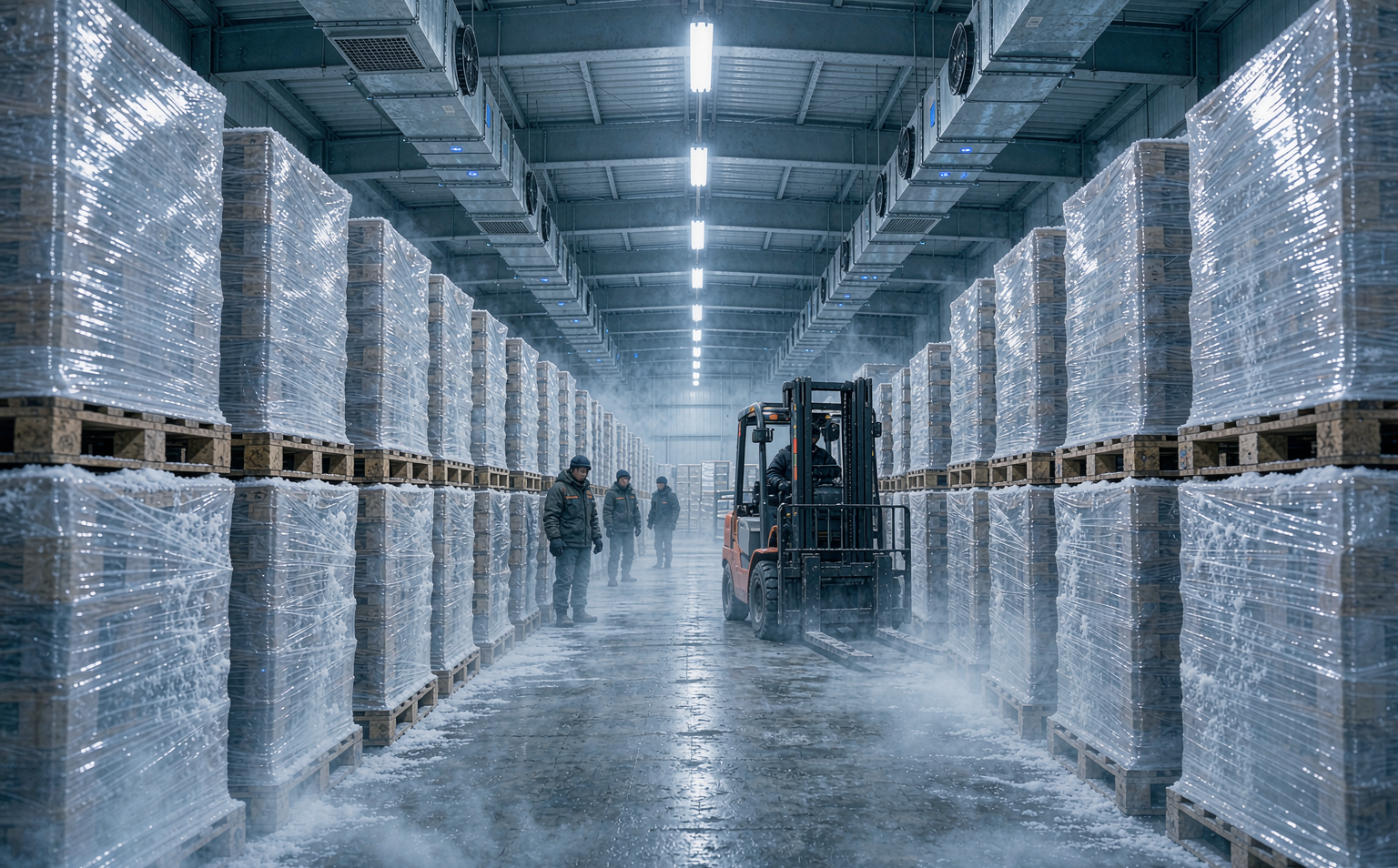


В глобальной логистике и управлении цепочками поставок, доставка тяжелая, плотный, или груз странной формы, например, промышленное оборудование, строительные материалы с острыми краями, строительный кирпич, или автомобильные детали — представляет собой серьезную структурную проблему. Стандартные упаковочные материалы часто выходят из строя в условиях турбулентных условий перевозки..
When a heavy load shifts inside a shipping container or on the back of a flatbed truck, it results in expensive product damage, freight rejections, and severe safety hazards. The root cause of these failures is almost always an inadequate containment strategy.
To secure these challenging loads, switching to a high-performance industrial stretch wrapping film specifically engineered for high puncture resistance and heavy-duty retention is essential. This guide explores the engineering behind load containment and explains how the right film protects your toughest shipments.

1. Understanding Puncture Resistance: The First Line of Defense
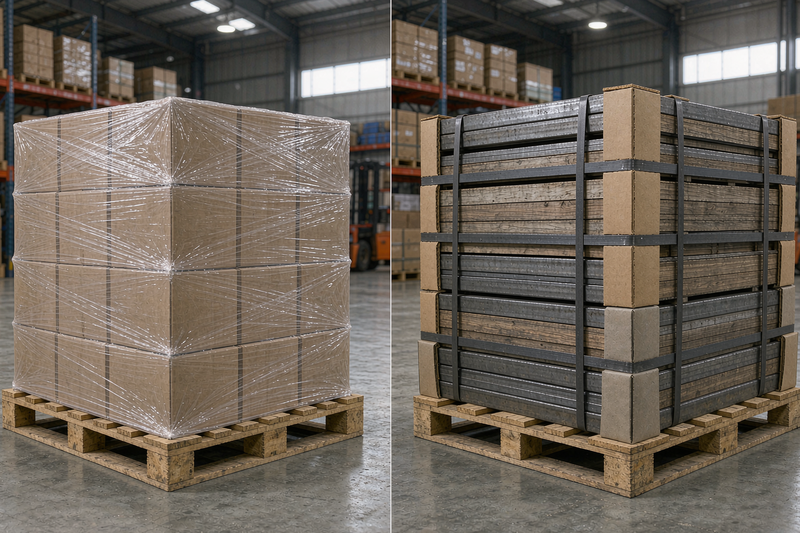
For standard, uniform cardboard boxes, basic полиэтиленовая стретч-пленка works perfectly fine. Однако, irregular loads frequently feature sharp protrusions, bolts, wooden pallet splinters, or jagged metal edges.
Under the continuous vibrations of sea or road transport, these sharp points act like knives against standard plastic film.
What is Puncture Resistance? It is a material’s ability to withstand localized stress from sharp objects without tearing.
If a low-grade film suffers a single puncture, the tension causes that small hole to instantly propagate into a massive tear, completely compromising the stability of the entire pallet. A high-performance packaging stretch wrap uses advanced polymer blending to absorb local punctures. Instead of tearing apart, the film stretches around the sharp point, maintaining its structural integrity and holding force throughout the journey.
2. Blown Stretch Film vs. Cast Film: The Heavy-Duty Showdown
When sourcing from a stretch wrap factory, you will generally choose between two primary manufacturing processes: cast co-extrusion and blown extrusion. For heavy and irregular applications, understanding the difference is critical to your bottom line.
| Feature | Cast Stretch Film | Выдувная стретч-пленка |
| Aesthetics & Noise | Crystal clear, smooth, ultra-quiet unwind. | Hazy appearance, high noise levels during unwind. |
| Tear Direction | Tears easily along the length of the film if punctured. | Exceptional multi-directional tear resistance. |
| Best Used For | Uniform box pallets, retail-ready displays. | Heavy bricks, irregular metal parts, sharp wooden crates. |
| Puncture Rating | Moderate. | Maximum / Industrial Grade. |
Why Blown Film Wins for Irregular Cargo
Because blown industrial stretch film is cooled slowly by air during production, it develops an incredibly dense, tough molecular structure. It possesses memory retention that exerts continuous, aggressive force back onto the load. If your facility frequently handles heavy, non-uniform pallets, sourcing heavy-duty blown film from your stretch film manufacturer is a necessity, not an option.
3. Maximizing Containment Force for High-Density Shipments
Containment force is the actual pressure that holds your palletized load together as a single unit. For high-density, heavy loads, achieving the correct containment force requires a combination of high film tensile strength and proper application tension.
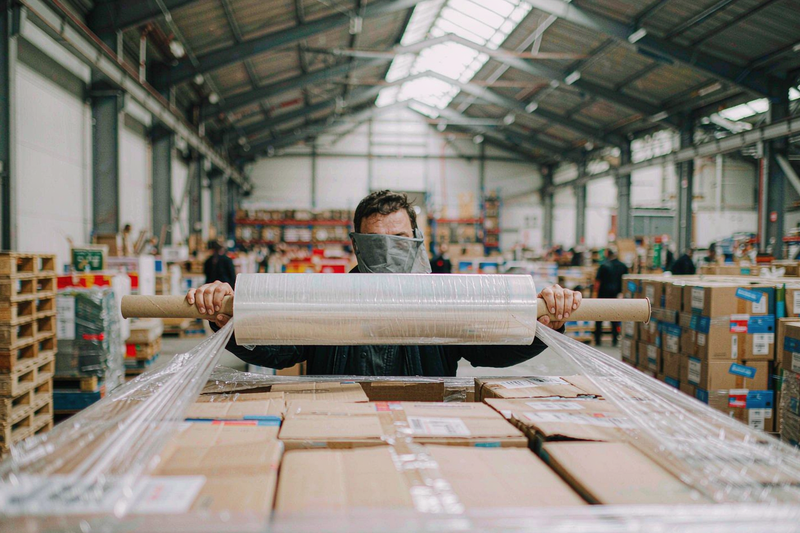
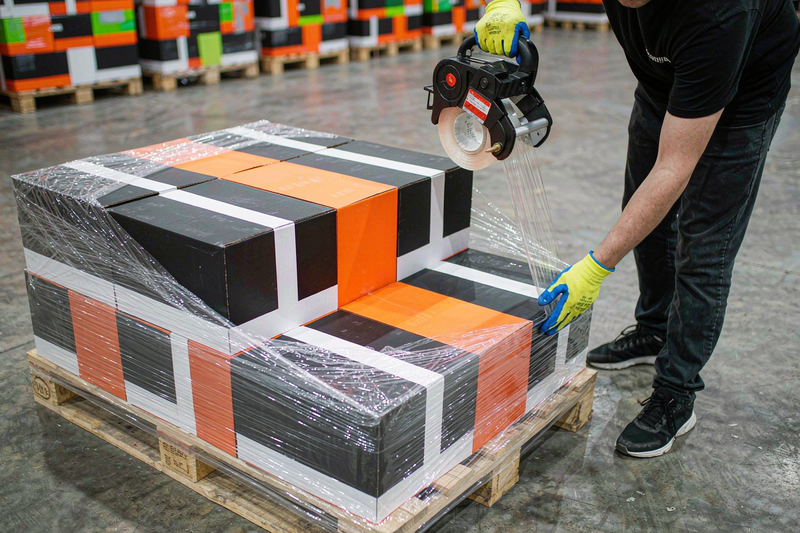
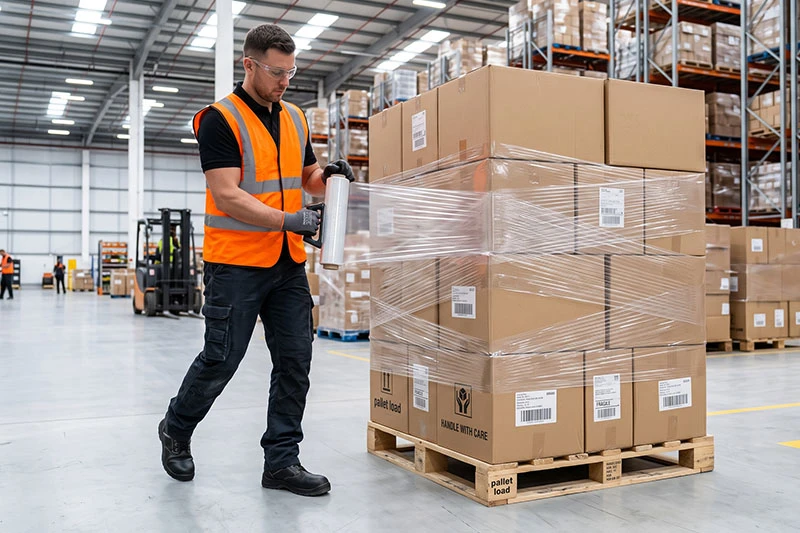
If your team relies on standard ручная стретч-пленка оптом to package 1.5-ton pallets of industrial components, human fatigue becomes a major risk factor. Operators simply cannot pull manual film tight enough to achieve the necessary containment force required for heavy transit.
The Automated Solution
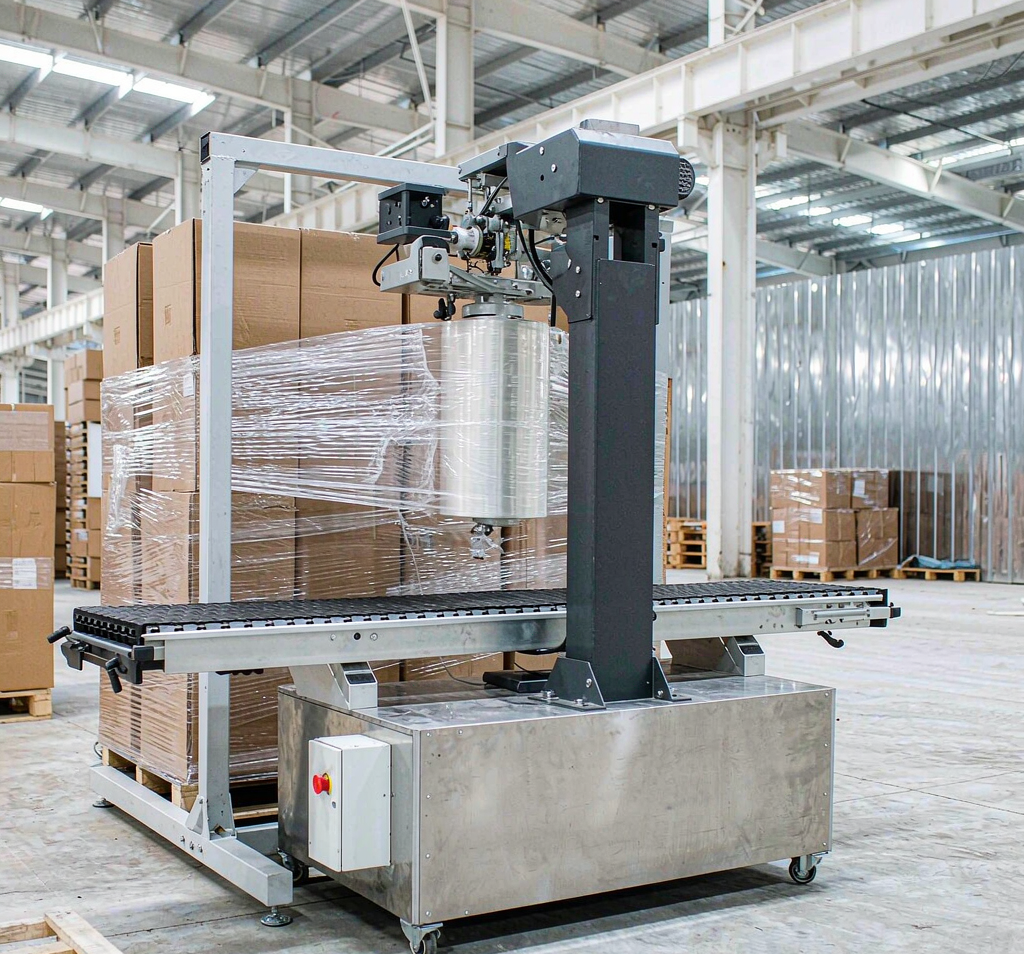
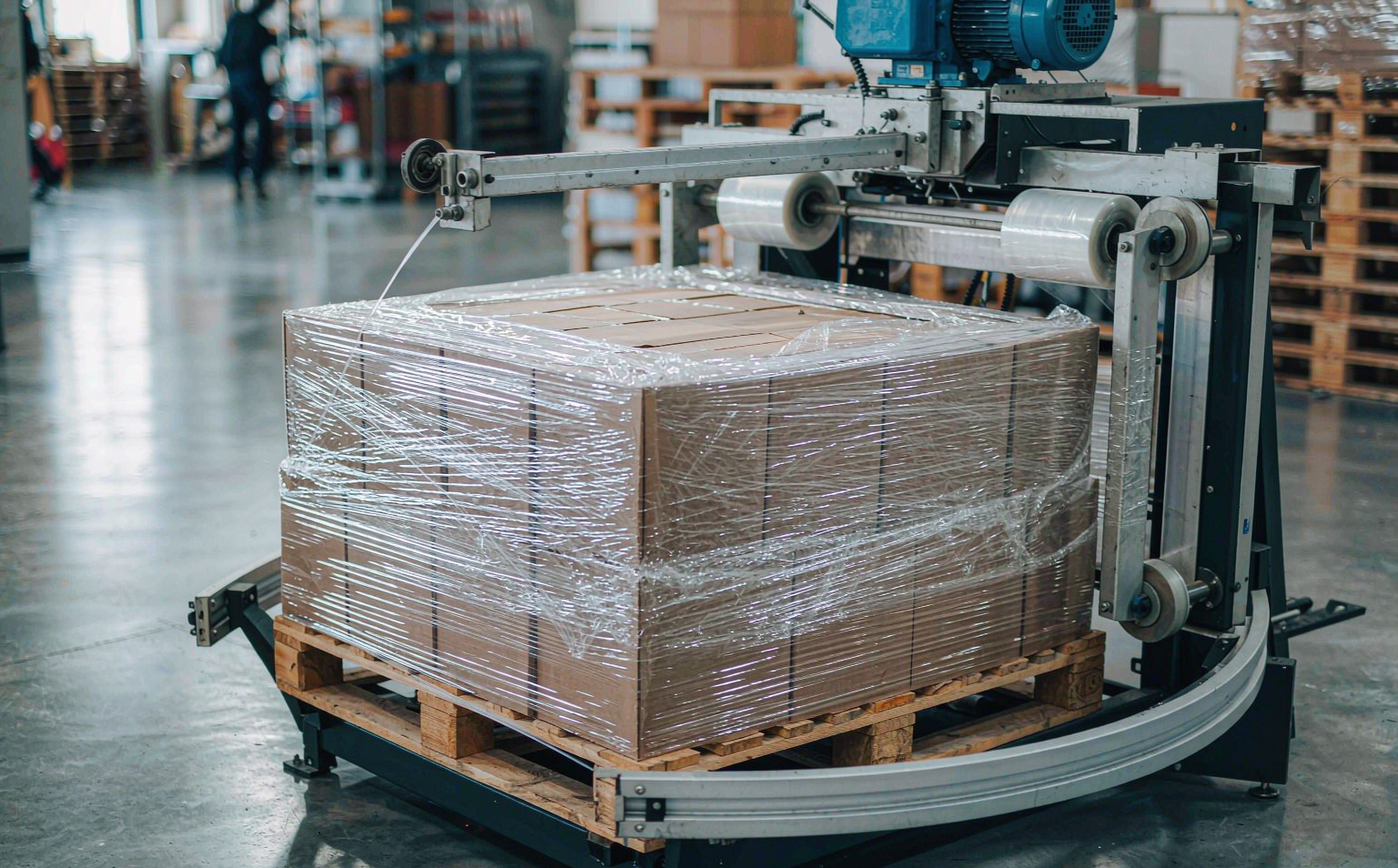
To guarantee consistent transit safety, heavy loads should ideally be wrapped using an automated pallet wrapping machine paired with high-performance machine stretch wrap. Advanced machine films can handle high pre-stretch ratios (up to 300% или больше) without snapping. This allows the machine to apply incredible containment pressure safely, locking the heavy cargo firmly to the wooden pallet base so it cannot slide during sudden transit braking.

4. Upgrading to Nano Multi-Layer Stretch Film for Ultimate Security
If you want to maximize transit safety while simultaneously reducing your plastic consumption, look toward modern нано стрейч пленка technology.
Rather than relying on a single thick layer of plastic, nano-technology uses up to 33 или 55 ultra-thin layers of specialized resins combined into one high-performance film.
- The Benefit: Each micro-layer acts as a barrier. If a sharp edge punctures layer 1 through 5, layers 6 through 33 stop the puncture from spreading.
- The Result: A thinner, nano-engineered полиэтиленовая стретч-пленка can easily outperform a traditional thick film, providing unyielding containment force for heavy cargo while slashing your total plastic packaging waste by up to 40%.
Procurement Summary: Sourcing Wisely
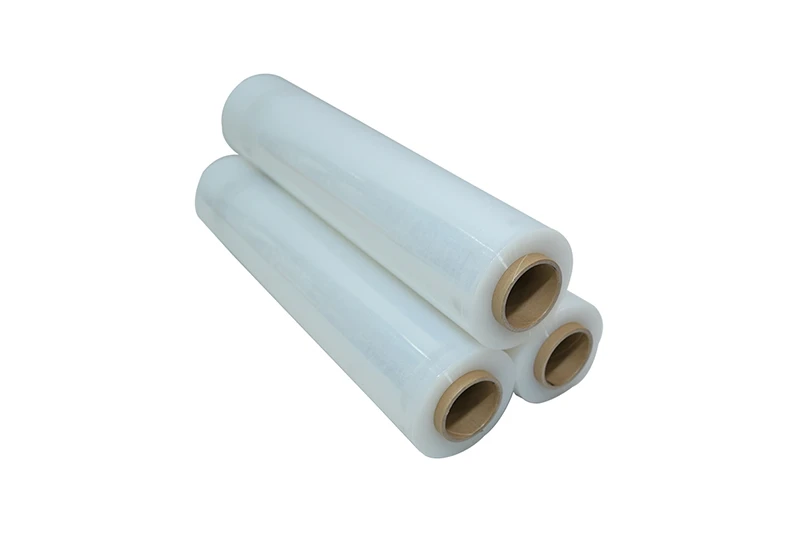
When negotiating with your поставщики стретч-пленки for heavy-duty applications, avoid buying based solely on the cheapest stretch film price. Cheap film results in broken products and lost revenue. Instead, request technical specifications focusing on multi-directional tear strength, high puncture ratings, and guaranteed containment force.
By choosing an industrial-grade, high-performance pallet stretch wrapping film, you protect your high-value cargo, secure your supply chain, and ensure your toughest loads arrive safely at their global destination every single time.