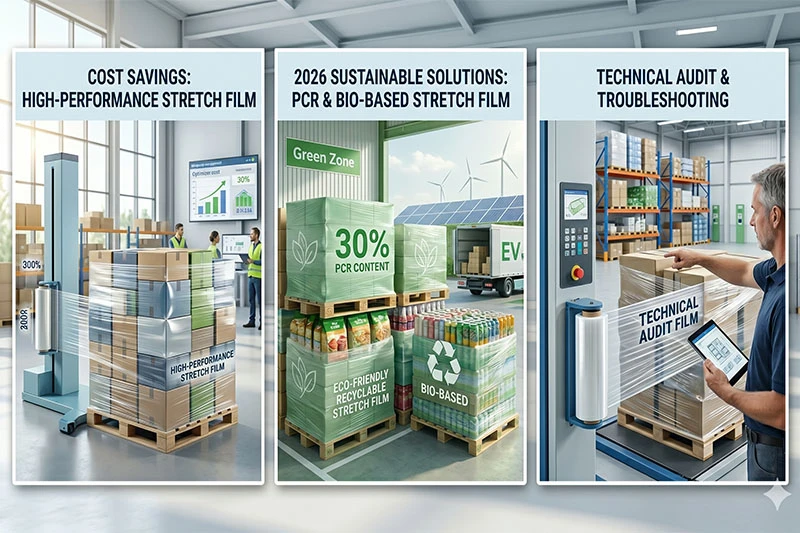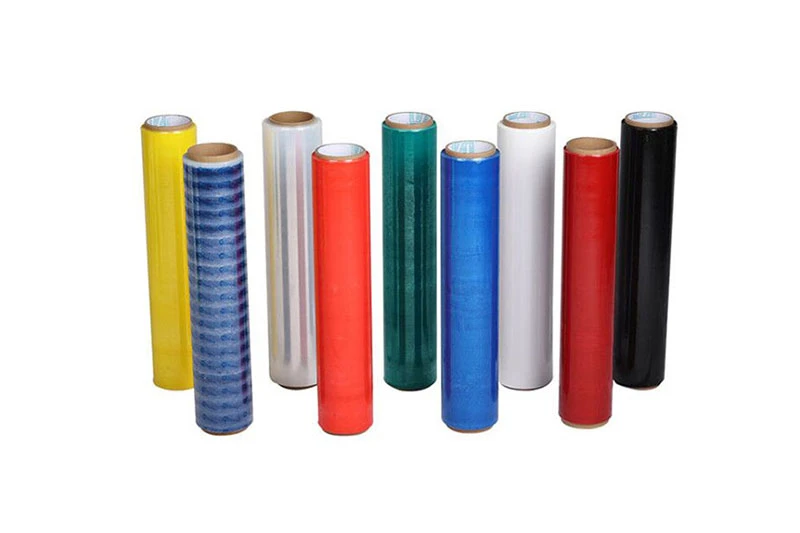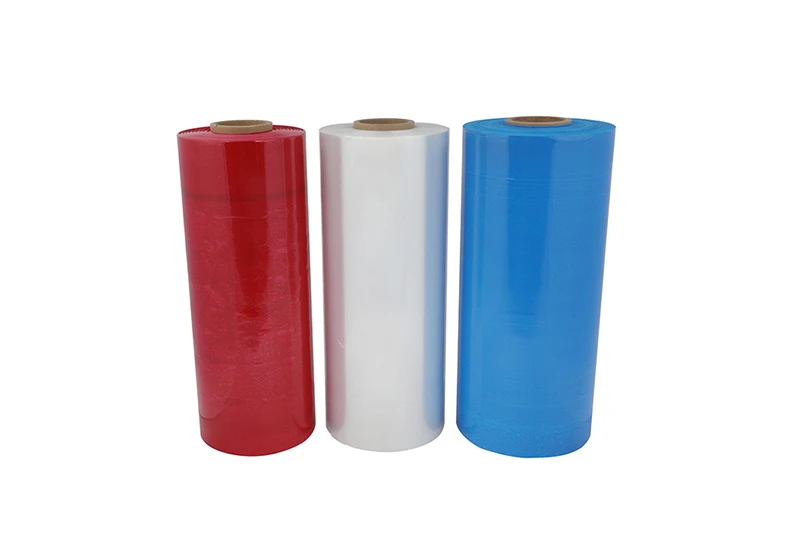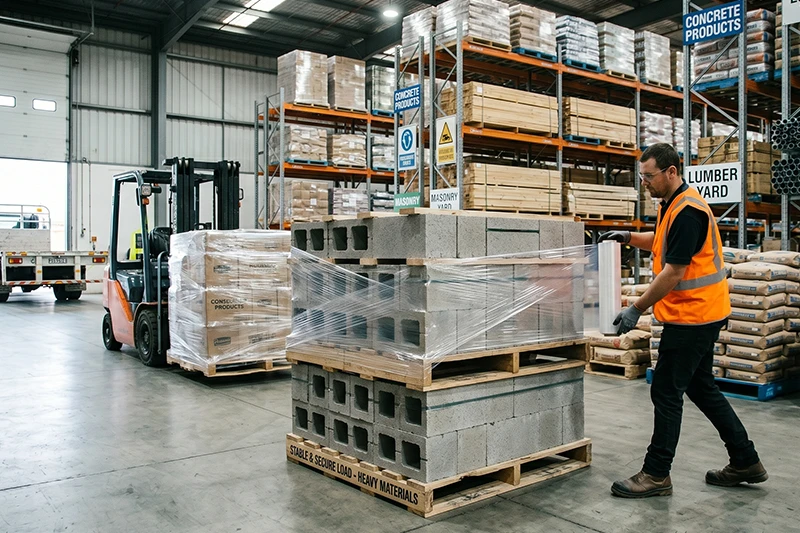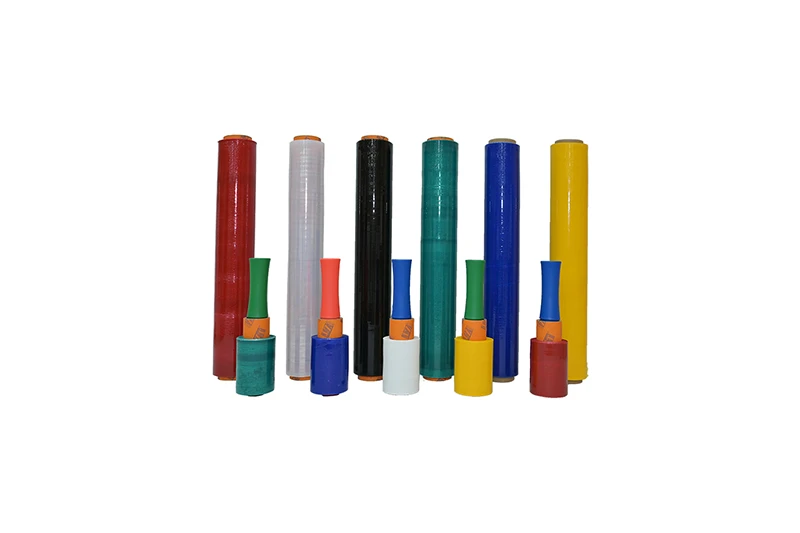


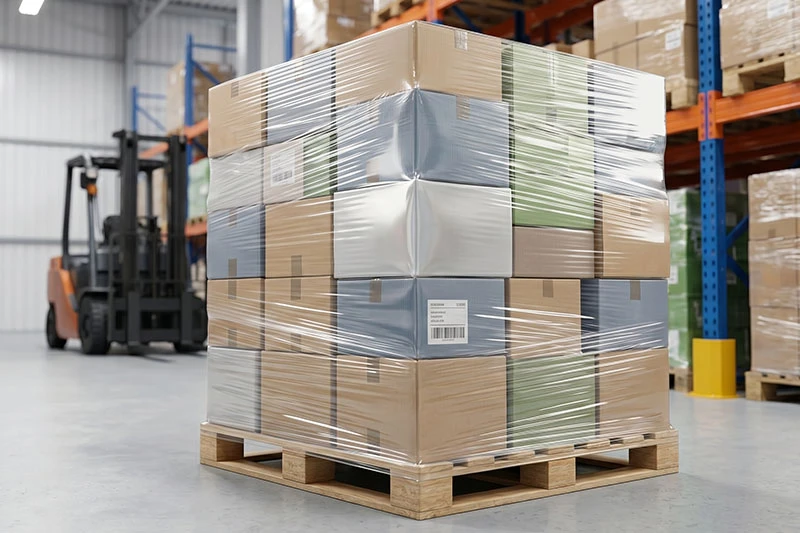
Für Beschaffungsmanager und Supply-Chain-Direktoren, Industrieverpackungen werden oft als feste Betriebsausgaben angesehen. Jedoch, in der Massenlogistik, inefficient pallet wrapping is a silent budget killer. Traditional wrapping methods rely on outdated, thick plastics that drive up material consumption, increase waste management fees, and fail to provide adequate containment force.
By transitioning to a modern high-performance stretch film, enterprise buyers can achieve a dual objective: drastically lowering total cost of ownership (TCO) while enhancing load stability across global supply chains.
1. The Financial Drain of Conventional Film Procurement
Many buying departments make the mistake of evaluating a Stretchfolie based solely on its price-per-roll or price-per-ton. This transactional procurement metric completely overlooks the real cost-driver: cost-per-pallet wrapped.
Standard commodities or low-grade plastics require more rotations, higher thickness, and frequent layering to prevent shipping failures. In contrast, a premium industrial stretch film utilizes advanced metallocene resins, allowing a much thinner material to deliver superior holding power.
2. The Science of Pre-Stretch Rates: Turning 1 Meter into 4 Meters
The primary technical lever to unlock cost savings is the pre-stretch capability of the film.
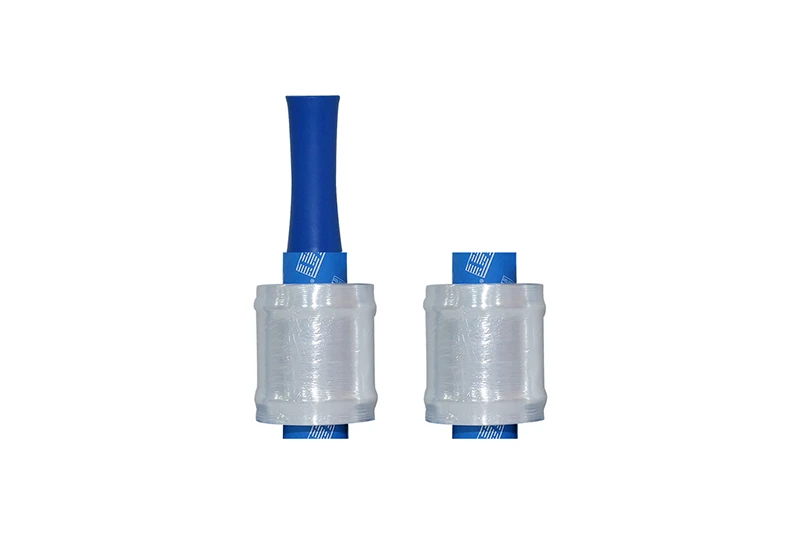
- Hand Application Limits: Manual wrapping rarely achieves a pre-stretch rate beyond 10% to 50%. This means you are essentially using the film at its original manufactured length, resulting in high material weight per pallet.
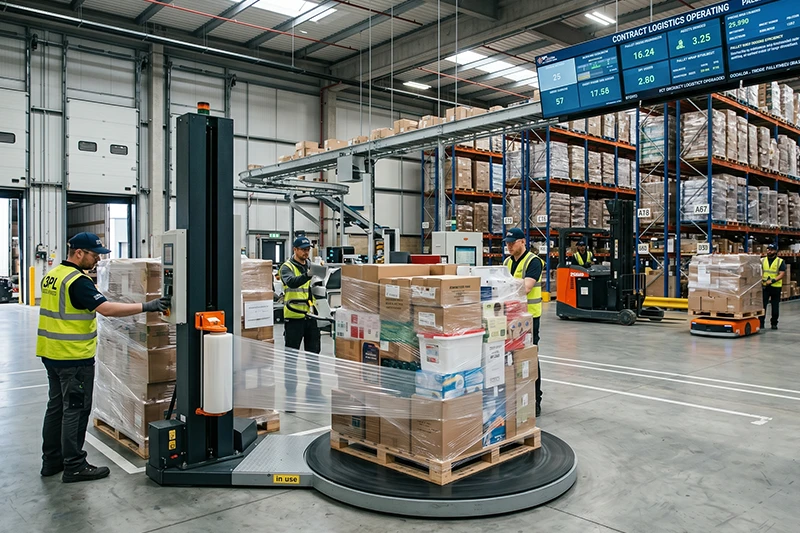
- The Power of Automatic Equipment: A specialized Maschinelle Stretchfolie is designed to interface with powered pre-stretch carriages on automatic wrappers. These machines can stretch the film mechanically from 200% up to 350% before it is applied to the load.
Cost-Saving Formula: If a heavy-duty machine stretch film has a 300% pre-stretch rate, 1 meter of raw film on the roll yields 4 meters of usable wrap on your pallet. This instantly cuts raw plastic consumption by up to 60% compared to hand wrapping.
3. Technical Comparison: Cast vs. Blown Manufacturing Processes
Choosing the right type of Stretchfolie ensures you do not overpay for performance metrics your warehouse does not require. The two dominant manufacturing processes on the market are cast extrusion and blown extrusion.
| Technical Property | Cast Stretch Film | Blown Stretch Film |
| Optical Clarity | Crystal clear; ideal for barcode scanning | Hazy and matte; limits label readability |
| Puncture Resistance | Excellent for uniform, smooth loads | Superior; resists snapping on sharp edges |
| Noise Level During Unwind | Extremely quiet and smooth operation | Loud, high-pitched unwind noise |
| Optimal Application | High-speed automatic stretch film lines | Heavy industrial, irregular, or sharp pallets |
For standard distribution centers handling regular corrugated boxes, a cast stretch film offers the best balance of cost-efficiency, high throughput speed, and optical clarity for inventory scanning.
4. Maximizing Containment Force While Minimizing Material Gauge
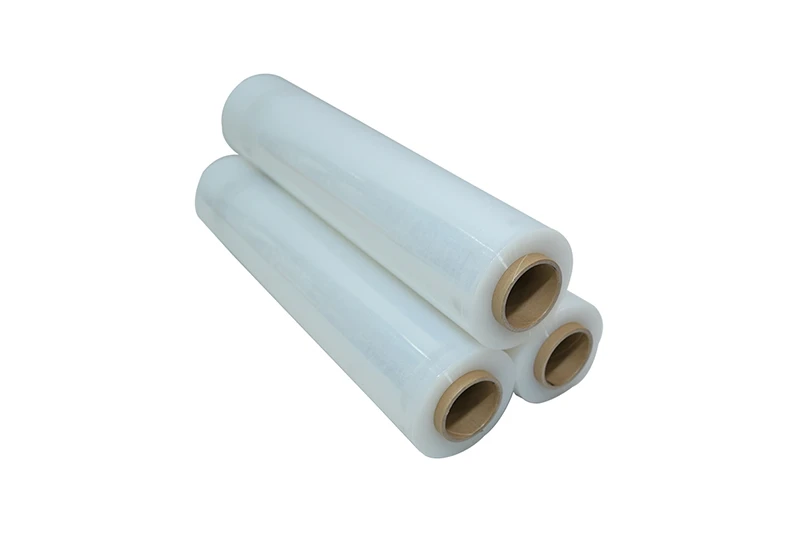
The ultimate goal of transit packaging is containment force—the total pressure a film exerts on the pallet load to keep it unified. Historically, achieving higher containment force meant purchasing a thicker gauge.
Through modern film engineering, multi-layer nano stretch film co-extrudes ultra-thin layers of polymer to create an incredibly rigid structure. This allows facilities to execute “downgauging.” Switching from a traditional 23-micron wrap to an 11-micron high-tensile stretch film maintains identical containment force while cutting your material weight and plastic footprint in half.
Conclusion: Key Questions for Your Next Packaging Audit
To stop wasting capital on inefficient packaging, procurement managers should ask their current vendors for a comprehensive technical audit based on these parameters:
- What is the exact pre-stretch percentage our current pallet stretch film is achieving on the warehouse floor?
- Are we experiencing regular film breakage that halts our automated wrapping lines?
- Can we transition to a thin-gauge high-performance stretch film to reduce our total tonnage and shipping weight?
Investing in high-quality engineering yields substantial, compounding returns in logistics efficiency, zero-damage delivery rates, and reduced corporate waste.