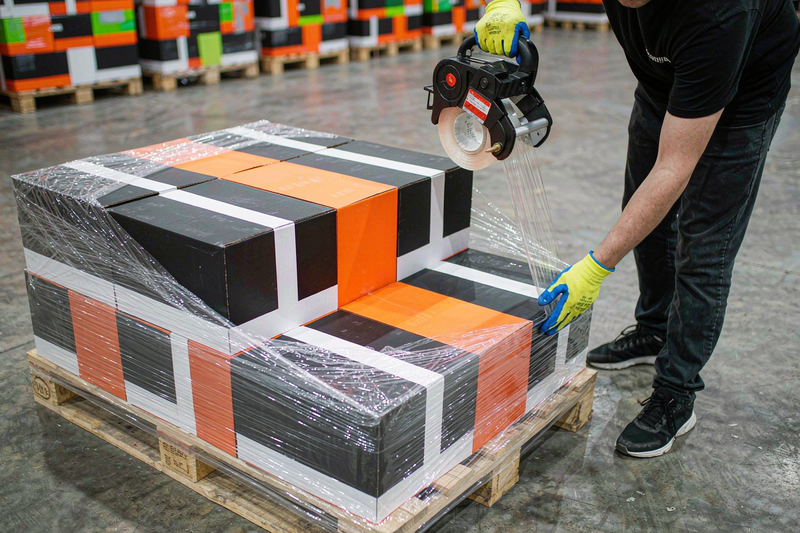


Hand stretch film thickness should be chosen from the load, not from habit: light uniform cartons usually run at 12–15 micron, general distribution pallets at 17–20 micron, and heavy, sharp-edged, or long-transit loads at 23–30 micron. The right gauge is the thinnest film that survives your worst pallet without puncturing or tearing, because every micron added beyond that point raises cost per wrapped pallet without adding containment.
This guide explains what thickness actually controls, where each range fits, which load and transit factors should drive the decision, how cast and blown construction changes the comparison, and how to trial a grade against your own pallets rather than against a generic chart.
How Thickness Relates to What the Film Actually Does
Hand stretch film thickness is expressed in microns (also written as μm or gauge in some markets), and it describes the film before it is stretched. Once the operator pulls the roll, the film thins as it elongates, so the thickness you buy is the starting point, not the thickness on the pallet.
That distinction matters because most hand wrapping failures are not caused by the nominal thickness being wrong. They are caused by the film being applied at the wrong tension, with too few layers, or on a load whose geometry concentrates force at a point the film cannot absorb. Thickness sets the ceiling on what the film can survive; application technique decides how close you get to that ceiling.
Three properties move together with thickness:
- Puncture and tear resistance generally increases with thickness, which is why sharp corners and protruding strapping push you toward the thicker end of the range.
- Holding force depends on how much film is on the load and how much elastic recovery it retains, not on thickness alone. Two films of the same thickness from different resin systems can behave very differently.
- Yield decreases as thickness increases: a thicker film gives you fewer metres per roll and fewer pallets per roll, raising cost per pallet even though each wrap is stronger.
Thickness Ranges and Where Each One Fits
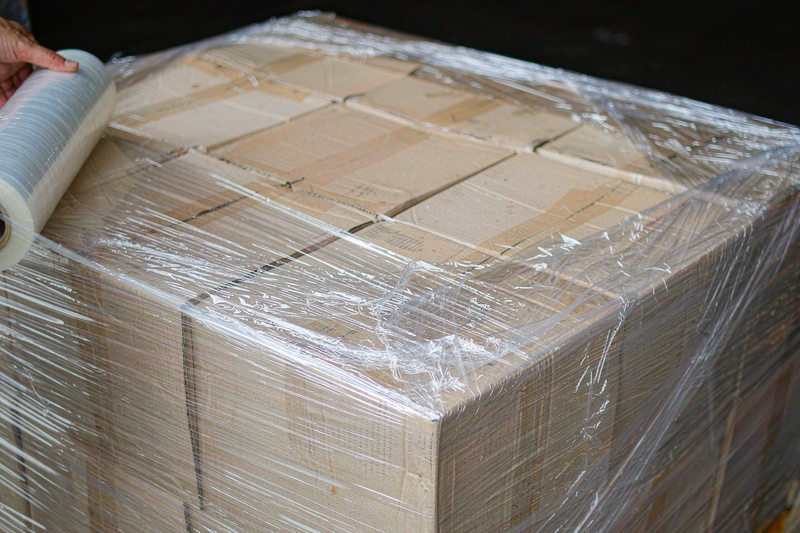
The ranges below describe common hand film grades. Within each band, actual performance depends on the resin, the number of layers applied, and the load itself, so treat these as starting points to verify on your own pallets rather than as specifications.
| Thickness range | Typical application | Why it suits that load | Watch out for |
|---|---|---|---|
| 12–15 micron | Light, uniform cartoned loads; short internal moves; low-value goods where film cost dominates | Highest yield per roll and lowest physical effort to apply, because less force is needed to stretch it | Limited puncture margin on sharp corners; less forgiving of operator inconsistency |
| 17–20 micron | General distribution pallets of mixed cartons; the common default for everyday shipping | Balances holding force against yield, and tolerates the tension variation you get across a shift | Still needs edge protection on protruding corners and strapped bundles |
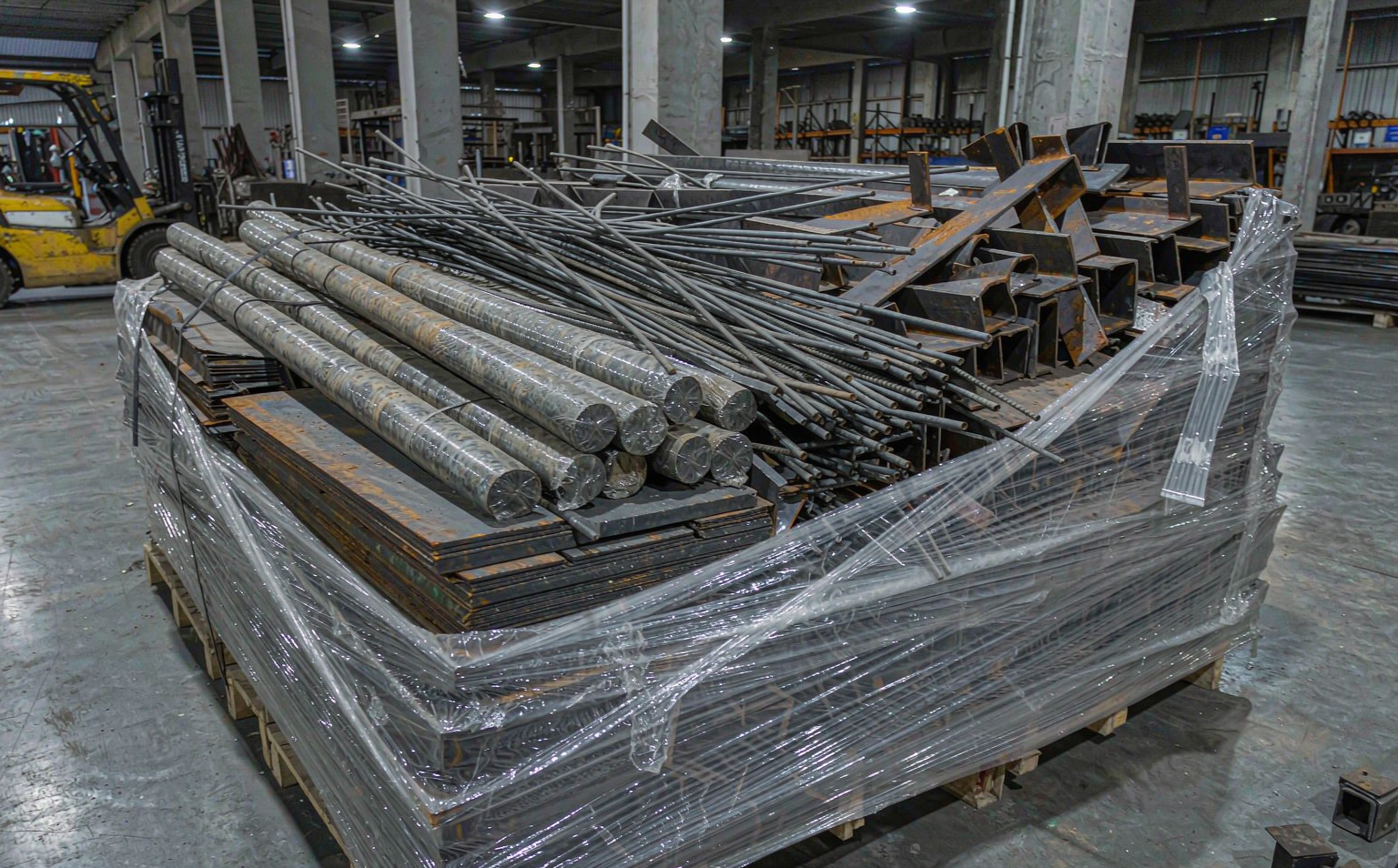
| 23–30 micron | Heavy loads, irregular or sharp-edged product, long transit, outdoor or extended storage | More material at the contact points where punctures start, and more resistance to slow tearing under vibration | Higher cost per pallet and more effort to stretch; unnecessary on easy loads |
A practical way to think about it: move up a thickness band when the failure you are seeing is puncture or tear, and stay lower when the failure is the load loosening, which usually means more layers or better technique rather than thicker film.
Factors That Should Drive the Decision
Load weight and stability
Heavier loads need more containment force, and a stable, interlocked carton stack needs less than a loose one of the same weight. If the load is well stacked and does not shift during handling, a mid-range film applied consistently will outperform a thick film applied badly.
Edge and corner geometry
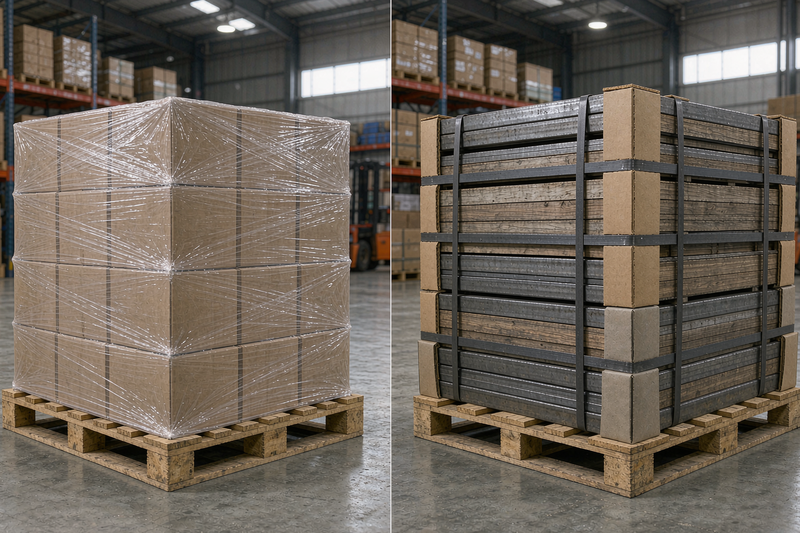
Sharp corners, exposed strapping, metal fixings, and protruding pallet nails are the most common cause of film failure. Thickness helps, but edge protection usually helps more and costs less per pallet.
Handling and transit profile
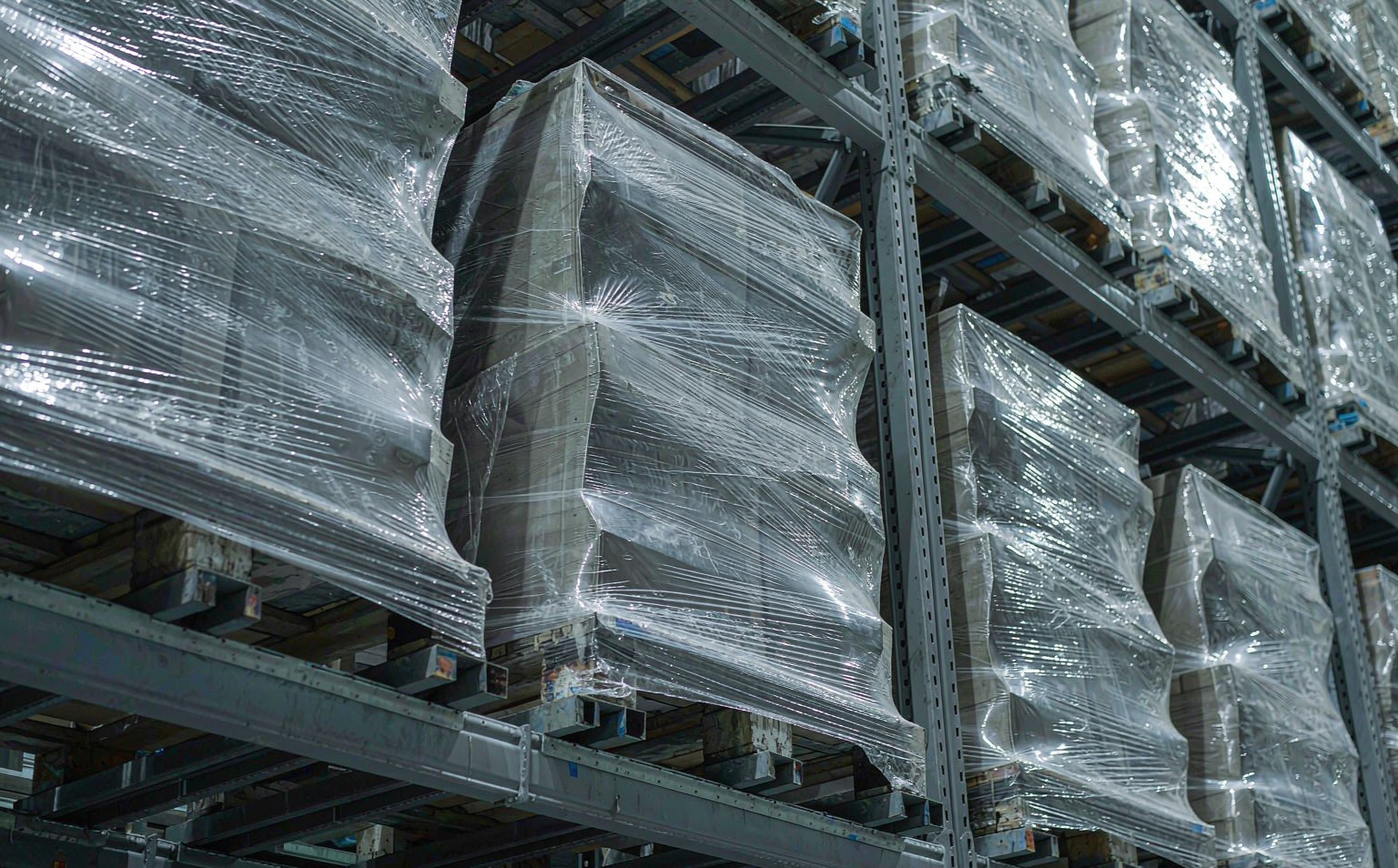
Count the number of times the pallet is handled, whether it travels by road, sea, or both, and how long it sits before unloading. Every additional handling event and every week in transit adds to the demand on the film’s elastic recovery.
Storage temperature
Performance changes with temperature, and hand film applied in a cold warehouse behaves differently from the same film applied at ambient temperature. If you wrap in a chilled environment, confirm the grade is suitable for that condition rather than assuming the ambient specification carries over.
Operator capability and turnover
Hand wrapping is operator-dependent. Where turnover is high or training time is short, a mid-range film that tolerates tension variation is usually a better economic choice than a very thin film that performs well only when applied correctly.
Cost basis
Compare cost per wrapped pallet, not cost per roll. A thicker film costs more per roll but may need fewer layers, while a thin film may need extra wraps to reach the same holding force. Measure grams used per pallet at your actual wrap pattern to see which is cheaper.
Cast or Blown: The Other Half of the Decision
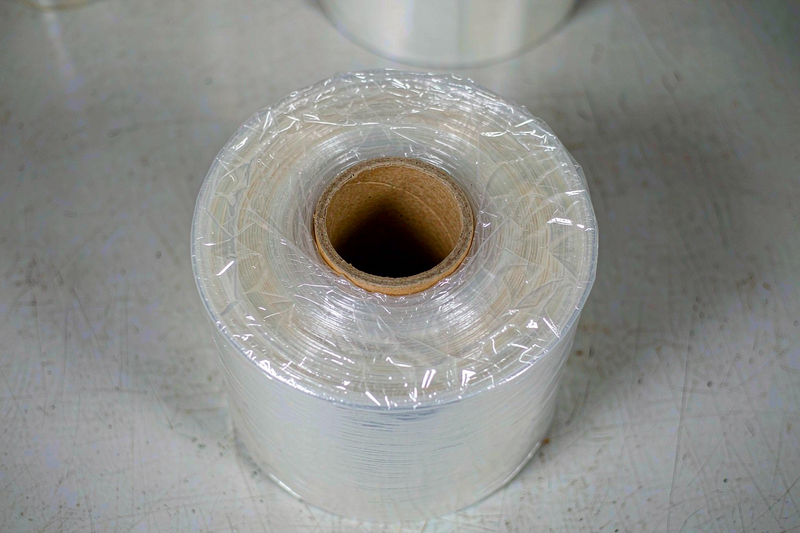
Thickness is not the only variable on the specification sheet. Cast film is typically clearer, quieter to unwind, and consistent in thickness, which suits general distribution and any application where barcode scanning through the film matters. Blown film generally offers higher puncture and tear resistance at a given thickness and holds up better on irregular loads, at the cost of more haze and more noise during application.
In practice, the two decisions interact: a cast film at the upper end of a thickness band and a blown film at the lower end can overlap in performance. If you are choosing between them, compare on puncture resistance and clarity rather than on thickness alone. Current options are listed on the hand stretch film page.
How to Choose: A Short Decision Sequence
- Describe the load. Weight, dimensions, whether cartons are uniform, and whether any edge is sharp or protruding.
- Describe the journey. Number of handling events, transit mode and duration, storage temperature, and whether the pallet sits outdoors.
- Pick a starting band. Light and uniform: 12–15 micron. General mixed distribution: 17–20 micron. Heavy, sharp, or long-duration: 23–30 micron.
- Choose cast or blown. Clarity and quiet operation point to cast; puncture resistance on irregular loads points to blown.
- Set the wrap pattern. Decide the number of layers and the overlap, then hold it constant while you evaluate thickness.
- Trial and measure. Wrap the same load profile both ways, record grams per pallet and any damage, and compare over the same route.
- Confirm with the supplier. Where your conditions differ from the trial, the exact specification should be confirmed with the supplier before you standardise across sites.
Procurement Checklist: What to Confirm Before Ordering
- Thickness and tolerance: nominal micron rating plus the acceptable tolerance, since a wide tolerance changes yield and consistency between batches.
- Resin system and layer structure: whether it is cast or blown, and whether it is monolayer or multi-layer co-extruded.
- Puncture and tear performance: requested as relative performance for your load type, not as a generic figure.
- Cling: one-sided or two-sided, and whether it suits your stacking method. Excessive cling makes rolls hard to start; too little lets the tail unwind.
- Roll format: width, core size, and roll weight. Heavier rolls mean fewer changeovers but more operator fatigue; lighter rolls suit high-turnover picking areas.
- Dispenser compatibility: confirm the core fits the dispensers in use, including any hand film with built-in dispensers.
- Temperature suitability: confirm performance at your actual wrapping and storage temperature.
- Backup for machine lines: if hand film is the fallback when a wrapper is down, check the grade against your machine stretch film specification so the changeover does not create a containment gap.
- Supply consistency: confirm the same specification is available for repeat orders, since retraining operators on a new film has its own cost.
Common Mistakes When Selecting Thickness
- Choosing on roll price alone. A thicker film with better yield under stretch can cost less per pallet than a thinner one that needs extra layers.
- Assuming thicker is always safer. Extra thickness does not fix a wrap pattern with too few layers or an overlap that leaves the top third unsupported.
- Ignoring edges. Adding corner protection is usually cheaper than moving up two thickness bands.
- Specifying for the worst load. Standardising on the thickest grade you occasionally need inflates cost on every easy pallet.
- Comparing micron ratings across resin types. A 17-micron blown film and a 17-micron cast film are not equivalent products.
- Forgetting the operator. Film that is hard to stretch gets applied loosely, and loose application wastes whatever strength the gauge provides.
Key Takeaways
- Thickness sets the ceiling on puncture and tear resistance; wrap technique determines how much of that ceiling you actually use.
- 12–15 micron suits light uniform loads, 17–20 micron suits general distribution, and 23–30 micron suits heavy, sharp, or long-duration shipments.
- Cast and blown construction matters as much as thickness, and the two overlap across thickness bands.
- Compare cost per wrapped pallet, measured in grams used at your actual wrap pattern, not cost per roll.
- Edge protection usually beats extra thickness on loads where punctures are the failure mode.
- Verify the chosen grade under your own temperature, handling, and storage conditions before standardising.
Frequently Asked Questions
What thickness of hand stretch film do I need for a standard pallet?
For general mixed carton distribution, the 17–20 micron range is the common starting point. Light uniform loads can run thinner, and heavy, sharp, or long-transit loads need thicker film. Confirm against your own load profile rather than adopting a default.
Is thicker hand film always stronger?
It generally resists puncture and tear better, but holding force also depends on how much film ends up on the load and how much tension is applied. A thick film applied loosely can perform worse than a mid-range film applied correctly.
How do microns relate to gauge?
Both describe film thickness, and the conversion between them depends on the measurement convention used in your market. When comparing products, ask for thickness in a single unit so the numbers are comparable.
Can I use one thickness for every load?
You can, and many operations do for simplicity, but it usually means over-specifying for most pallets. If your load profiles differ widely, two grades often cost less overall than one grade chosen for the worst case.
Does temperature change which thickness I should use?
Yes. Film behaves differently in cold and in heat, and a grade specified for ambient conditions may not hold the same containment force in a chilled warehouse. Confirm suitability for your actual wrapping temperature.
Should I use hand film as a backup for a machine wrapper?
It works if the grade and wrap pattern produce comparable containment. Check the hand film specification against your machine film before relying on it, and train operators on the number of layers and overlap to apply.
Next Step: Match the Grade to Your Load
Thickness selection comes down to your load weight, edge profile, handling count, and storage temperature, weighed against what you spend per wrapped pallet. Send us your pallet dimensions, load weight, wrap pattern, and the conditions the pallet travels through, and we will help you identify which thickness band and construction suits your operation, and where a change would reduce cost rather than add it. Share your wrapping requirements and we will work from your numbers.