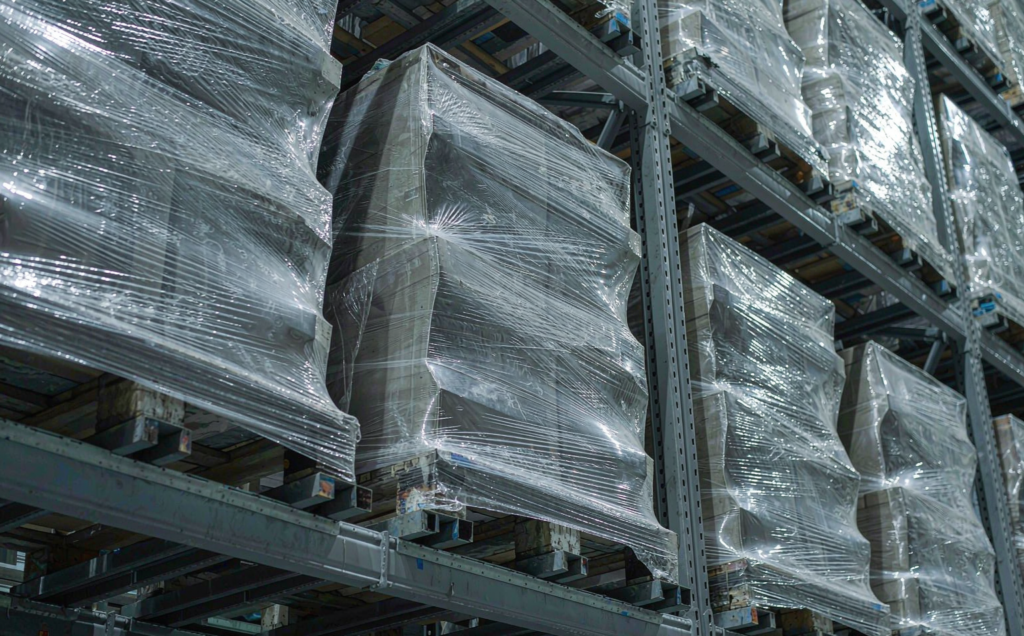
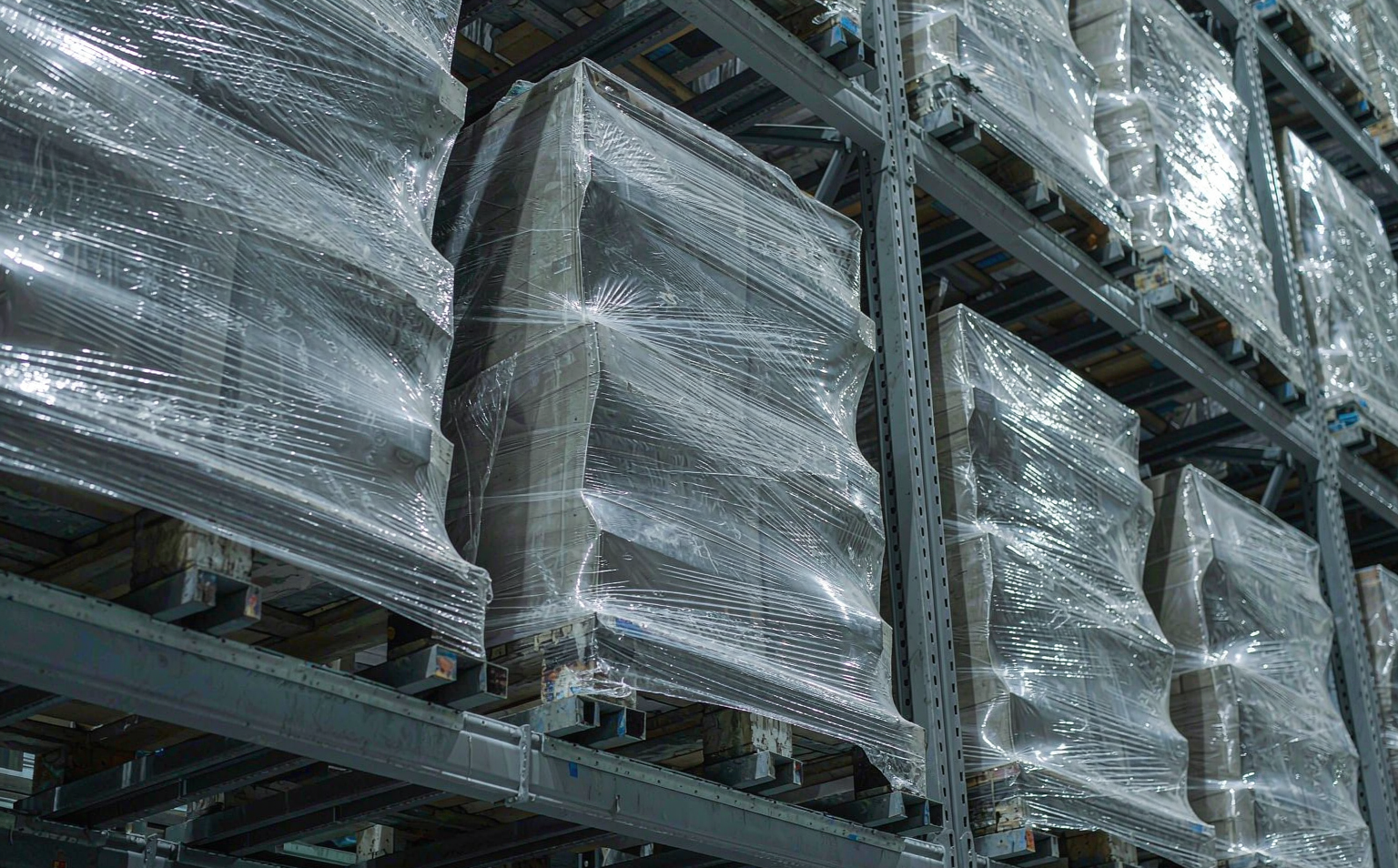
5-レイヤー対. 7-積層機ストレッチフィルム比較: 共押出構造, パンクチャとダウンゲージゲイン, 料金, サプライヤーの主張を実際のテストデータで検証する方法.
日本語
English
Japanese
Spanish
Russian
Arabic
German
Vietnamese
French
Korean
Hindi
Afrikaans
Albanian
Amharic
Armenian
Azerbaijani
Basque
Bashkir
Belarusian
Bengali
Bosnian
Bulgarian
Burmese
Catalan
Cebuano
Chichewa
Corsican
Croatian
Czech
Danish
Dutch
Esperanto
Estonian
Fijian
Filipino
Finnish
Frisian
Galician
Georgian
Greek
Gujarati
Haitian Creole
Hausa
Hawaiian
Hmong
Hmong Daw
Hebrew
Hill Mari
Hungarian
Icelandic
Igbo
Indonesian
Irish
Italian
Javanese
Kannada
Kazakh
Khmer
Kirghiz
Kurdish (Kurmanji)
Lao
Latin
Latvian
Lithuanian
Luxembourgish
Macedonian
Malagasy
Malay
Malayalam
Maltese
Maori
Marathi
Mari
Mongolian
Nepali
Norwegian
Otomi
Papiamento
Persian
Polish
Portuguese
Brazilian Portuguese
Punjabi
Romanian
Samoan
Scots Gaelic
Serbian
Sesotho
Shona
Sindhi
Sinhala
Slovak
Slovene
Somali
Sundanese
Swahili
Swedish
Tagalog
Tahitian
Tajik
Tamil
Tatar
Telugu
Thai
Tonga
Turkish
Udmurt
Ukrainian
Urdu
Uzbek
Welsh
Xhosa
Yiddish
Yoruba
Yucatec Maya
ZuluBlog Category — Materials & Manufacturing
The Process Decides the Film. The Film Decides the Load.
This archive collects every Vistech guide on how stretch film is made and what it is made of: 5-layer versus 7-layer co-extrusion, cast versus blown extrusion, mainstream material classifications and resin choices, and the PCR and bio-based films reshaping sustainable load containment.
Every guide is written for the people who specify film at the material level — 包装エンジニア, plant managers and procurement teams who need the process, not just the price.
Featured Guide
Layer count is the most marketed number in film manufacturing — and the most misunderstood. What each layer actually does, and when seven layers beat five on your pallets.
5-レイヤー対. 7-積層機ストレッチフィルム比較: 共押出構造, パンクチャとダウンゲージゲイン, 料金, サプライヤーの主張を実際のテストデータで検証する方法.

All Guides
Newest first — from co-extrusion architecture to the 2026 PCR and bio-based material shift. Every guide links back to the film lines that run these processes.
5-レイヤー対. 7-積層機ストレッチフィルム比較: 共押出構造, パンクチャとダウンゲージゲイン, 料金, サプライヤーの主張を実際のテストデータで検証する方法.
グローバルな産業調達において, 間違った梱包材を調達すると、予期せぬ運用コストが発生する, フィルムが頻繁に破れてしまう, そして破損した貨物. While many
1. はじめに 現代の倉庫保管において, ロジスティクス, およびサプライチェーン管理, 輸送中および保管中の貨物の安全は業務効率にとって非常に重要です. Manual
世界のサプライチェーンがより厳しい環境規制に適応する中, 企業の持続可能性はマーケティング優先から運営上の必要性に移行しました. For
自動化された製造と世界的な流通において, 配送効率は荷物の単位化に大きく依存します. When thousands of tons of freight move through multi-modal
サプライチェーンを最適化するには、安全性を保証する梱包材が必要です, 耐久性, とコスト効率. ストレッチフィルム, ストレッチラップとしても広く知られています, serves
LLDPE ストレッチ フィルム業界は大幅な産業のアップグレードを経験しています. あなたが正しく指摘したように, the future core drivers are fully
産業用包装分野では, ストレッチフィルムに使用される主流の素材は、主に直鎖状低密度ポリエチレンです。 (LLDPE). Through the
やあ、みんな, コーヒーを飲む. Let’s sit down and talk about something that gets overlooked on almost every factory floor across the
Read by Topic
Coming in with a specific question? These reading paths group the archive by the decision you are making — process selection, film specification or sustainability compliance.
Co-extrusion architecture, cast versus blown extrusion and the mainstream resin classifications behind every film claim.
Gauge logic, cost-per-pallet math and why the “thicker is better” habit wastes budget without adding containment.
PCR and bio-based film adoption, environmental mandates versus load performance, and where the market is heading next.
Send your load profile, containment requirements and sustainability targets. Our engineers will recommend the right film construction — layer architecture, resin blend and gauge — backed by free sample rolls from our cast lines.