

E le mookameli oa phumants'o ea thepa kapa mookameli oa polokelo, securing the lowest stretch film price seems like a quick win for your supply chain budget. Leha ho le joalo, 'maraka oa liphutheloana tsa indasteri o tletse litšenyehelo tse patiloeng tse ka senyang phaello ea hau ka khutso.
Haeba liphalete tsa hau li ntse li fetoha nakong ea leeto, or if you find your team running through rolls faster than expected, you are likely falling into common packaging traps. This guide uncovers the 5 most frequent pitfalls in bulk filimi e otlolohileng ea pallet purchasing and provides the exact formulas to ensure you get exactly what you pay for.
Trap 1: The “Gross Weight” Illusion (The Paper Core Scam)
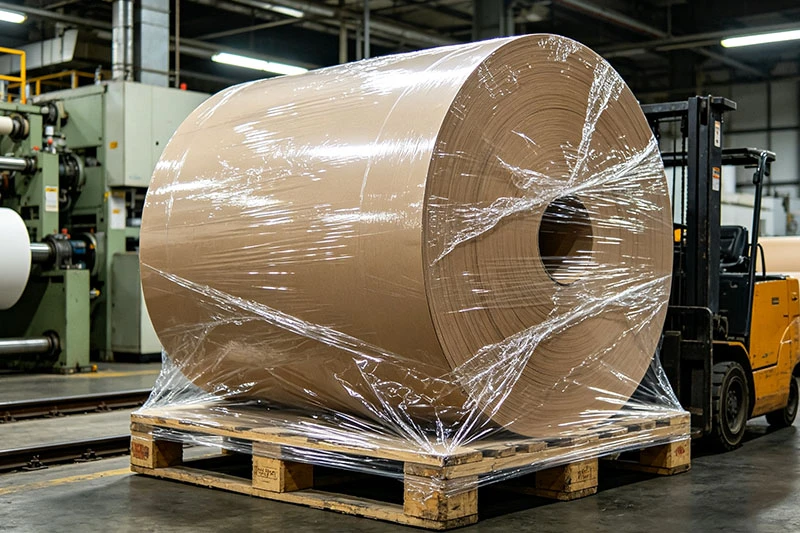
The most common trap in hand stretch wrap wholesale is buying by gross weight instead of net weight. Untrustworthy stretch wrap manufacturers often quote an incredibly low price per roll but secretly increase the thickness and weight of the cardboard paper core.
The Reality: You might think you are buying 5kg of functional PE plastic stretch film, but 1.5kg of that total weight could just be cheap, heavy cardboard that goes straight into the trash.
💡 The Smart Buyer’s Formula: Mokhoa oa ho Bala Boima ba 'Nete ba Nete
To compare quotes from different stretch wrap suppliers accurately, always calculate the actual plastic net weight using this formula:
$$\text{Net Weight} = \text{Gross Weight of the Roll} – \text{Weight of the Paper Core}$$
$$\text{Theoretical Film Weight (kg)} = \text{Length (m)} \times \text{Width (m)} \times \text{Thickness (mm)} \times \text{Density (0.92 for LLDPE)} \times 1000$$
If the supplier’s delivered weight is significantly lower than the theoretical weight, they are either shorting you on length or overcharging you for cardboard.
Trap 2: Missing Out on Nano Multi-Layer Stretch Film Technology
Many buyers stick to traditional 20-micron (80 gauge) packaging stretch wrap because “that’s what we’ve always used.” Leha ho le joalo, relying on outdated single-layer or 3-layer films is costing you money.
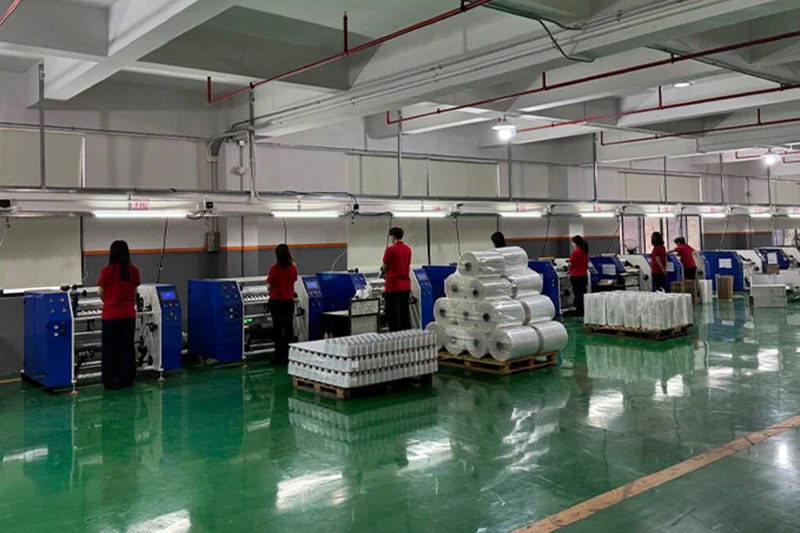
Modern stretch wrap production lines utilize 9-layer, 33-layer, or even nano-layer co-extrusion technology.
- The Nano Advantage: A 12-micron nano stretch film can deliver higher containment force and puncture resistance than a traditional, thicker 20-micron film.
- The Savings: Upgrading to a high-performance, down-gauged polyethylene stretch film can reduce your physical material consumption by up to 30% to 50% without sacrificing load stability.
Trap 3: Ignoring the “Pre-Stretch Ratio” of Machine Stretch Wrap
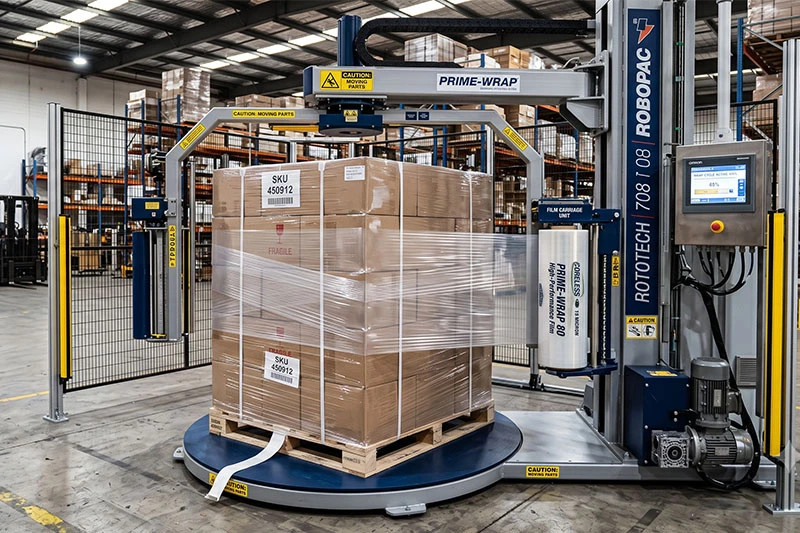
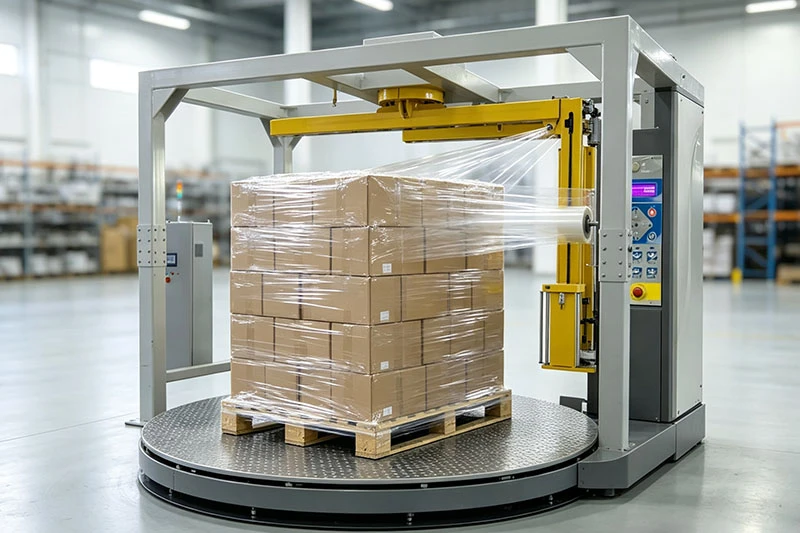
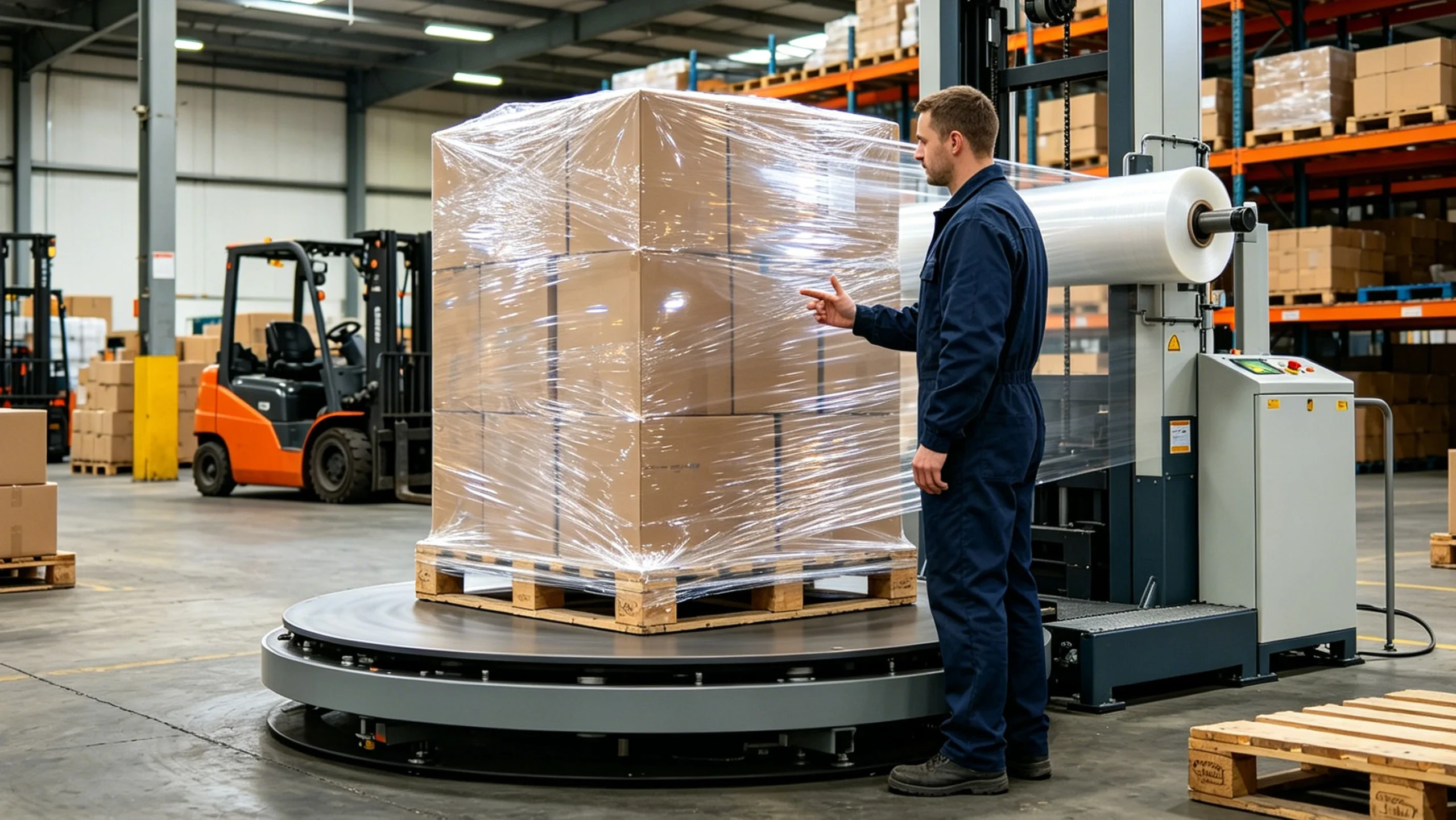
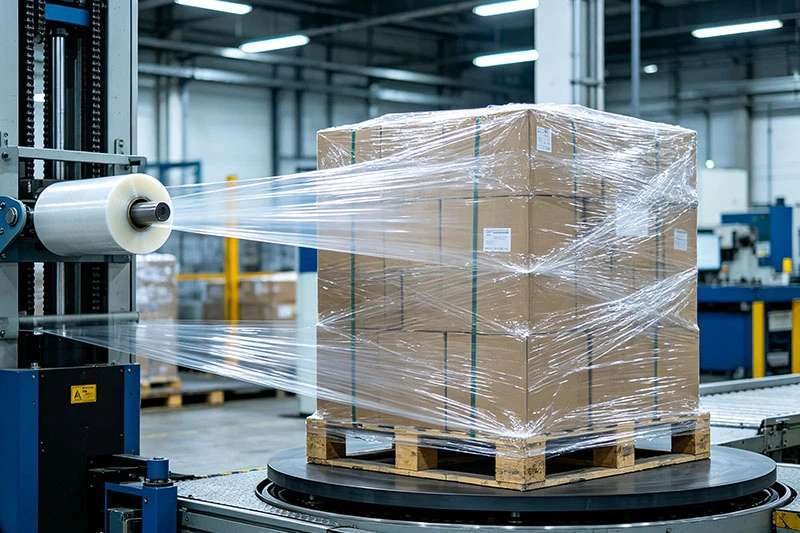
If you are using an automated pallet wrapping machine but buying low-grade film, you are wasting massive amounts of material.
Standard, cheap film breaks if stretched past 100%. Conversely, premium machine-grade stretch wrap is engineered with a high pre-stretch ratio of 250% to 350%.
| Film Grade | Pre-Stretch Potential | Real-World Performance |
| Standard Grade | 100% – 150% | Brittle, breaks easily, requires more wraps per pallet. |
| High-Performance Machine Film | 250% – 350%+ | Exceptional puncture resistance, optimal holding force, slashes per-pallet cost. |
By investing in high-quality machine stretch film, one meter of raw film on the roll turns into 3.5 meters of protective wrapping on your pallet.
Trap 4: Confusing Cast Film with Blown Film
Not all industrial stretch wrapping films are created equal. Buying the wrong type of film for your specific cargo leads to broken shipments.
- Cast Stretch Film: Extremely clear, quiet when unwound, and features excellent glossy aesthetics. It is perfect for uniform, double-stacked pallets with no sharp edges.
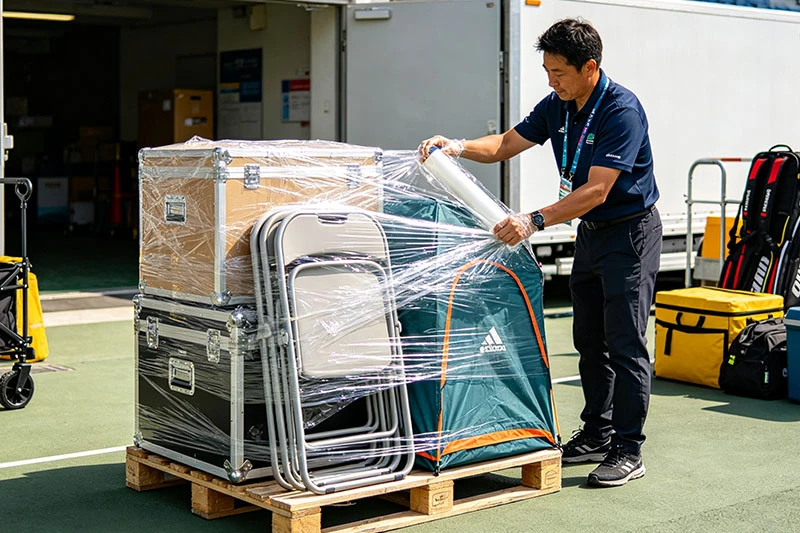
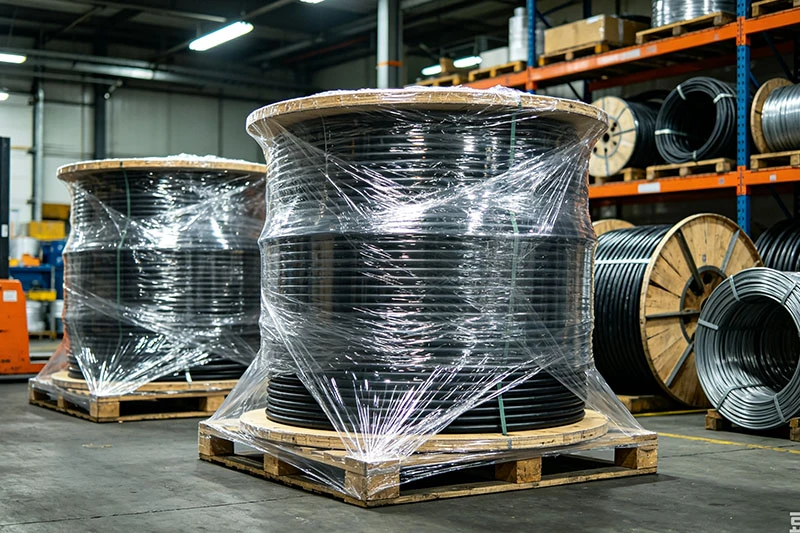
- Filimi e otlolohileng e otlollang: Has a hazy appearance and is loud when unwound, but possesses unmatched tear strength and anti-puncture properties. If you are wrapping heavy bricks, irregular machinery, or crates with sharp corners, you must source a heavy-duty blown industrial stretch film.
Trap 5: Focusing on “Price per Roll” Instead of “Price per Pallet Wrapped”
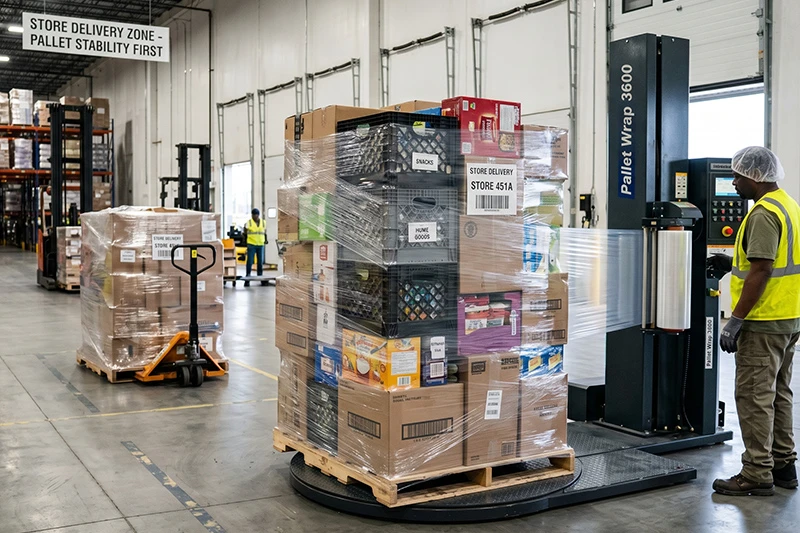
The ultimate metric for any procurement professional shouldn’t be how much a single roll of film costs. The true KPI is the total cost to safely wrap one pallet.
A cheap, low-yield roll that snaps constantly forces your warehouse staff to wrap the pallet multiple times just to get enough containment force. This results in:
- Increased labor downtime.
- Higher material waste.
- Increased risk of in-transit product damage.
Always request a sample roll from a potential stretch film manufacturer to run a live test on your warehouse floor. Measure how many pallets one roll can successfully secure before looking at the invoice.
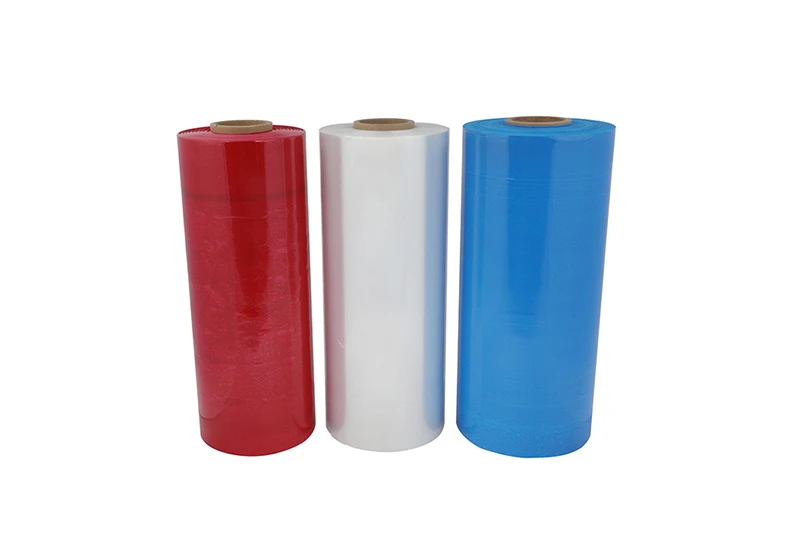
Key Takeaway for Global Sourcing
When sourcing from an international stretch wrap factory, don’t just sign off on the cheapest invoice. Specify the exact stretch film specifications you need: request the exact net weight, the precise core weight, the exact polymer composition (LLDPE resin), and the guaranteed pre-stretch capability.
Partnering with a transparent manufacturer who prioritizes net weight and advanced down-gauging technology is your fastest route to true warehouse cost-efficiency.