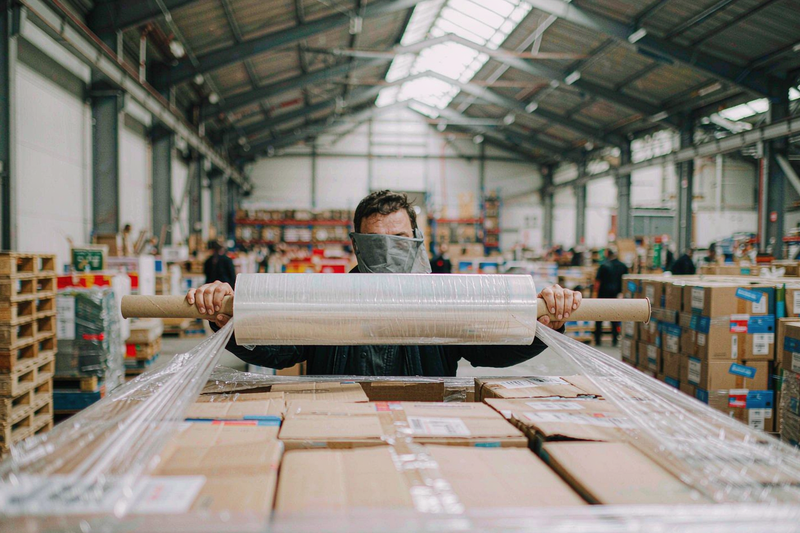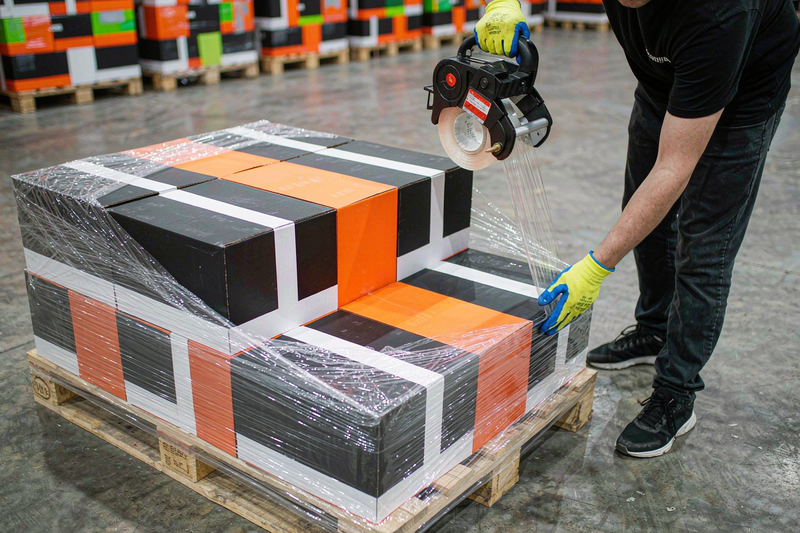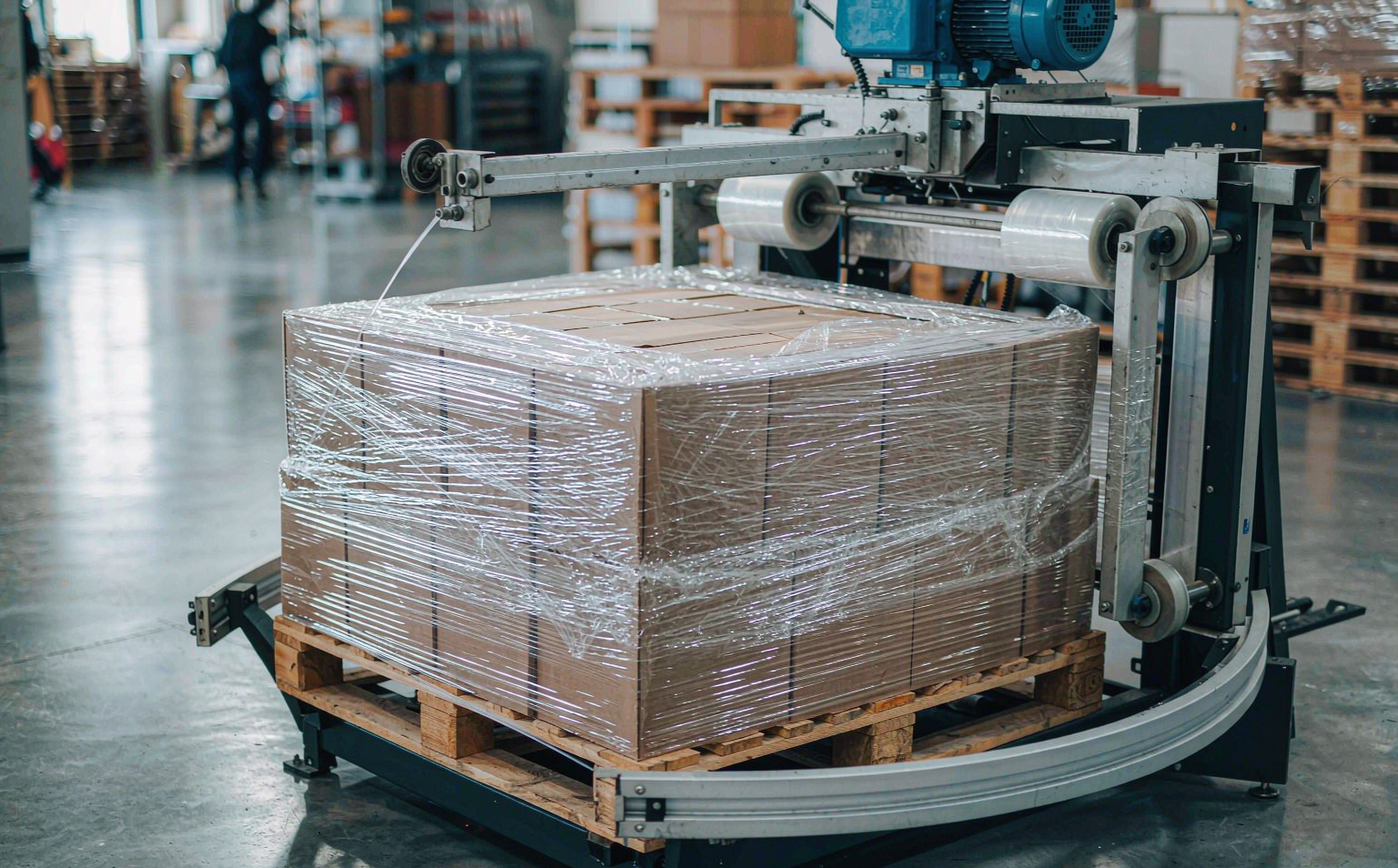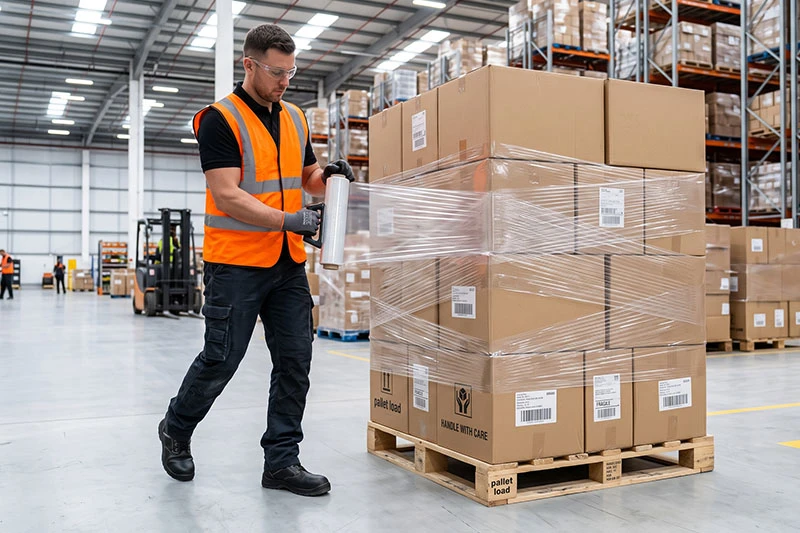


Att välja mellan förlängd kärna och standard handsträckfilm kommer ner till en direkt operativ kompromiss: eliminerar dispenserhårdvara för att förbättra manövrerbarheten jämfört med att bibehålla konsekvent mekanisk bromskontroll för pallomslag i stora volymer. Förlängd kärnfilm integrerar inbyggda kartonghandtag som sträcker sig 1 till 2 tum från varje ände av rullen, allowing workers to wrap lower pallet layers with less bending and zero equipment setup. Standard core film utilizes a flush 3-inch paper core designed for reusable mechanical dispensers, which carry extra physical weight but offer standardized tension control.
This analysis examines the biomechanical impact on warehouse staff, compares operational speeds and total costs, and provides an actionable selection framework to help operations managers optimize their manual wrapping workflows.
Biomechanical Realities of Manual Pallet Wrapping
Manual pallet wrapping places repetitive stress on three primary areas of a worker’s body: the lumbar spine, shoulders, and wrists. When applying manual pallet wrap, operators must secure the bottom perimeter of a pallet, stretch the film around irregular loads, and overlap layers up to standard pallet heights.
Common Physical Strain Points in Manual Wrapping:
├── Lumbar Spine: Deep bending (<30 cm above floor level) to anchor bottom pallet loads.
├── Wrists & Forearms: Rotational torque and friction heat from controlling roll tension.
└── Shoulders & Neck: Overhead reach under load when finishing top layers.
The roll design dictates how operators manage these movement patterns:
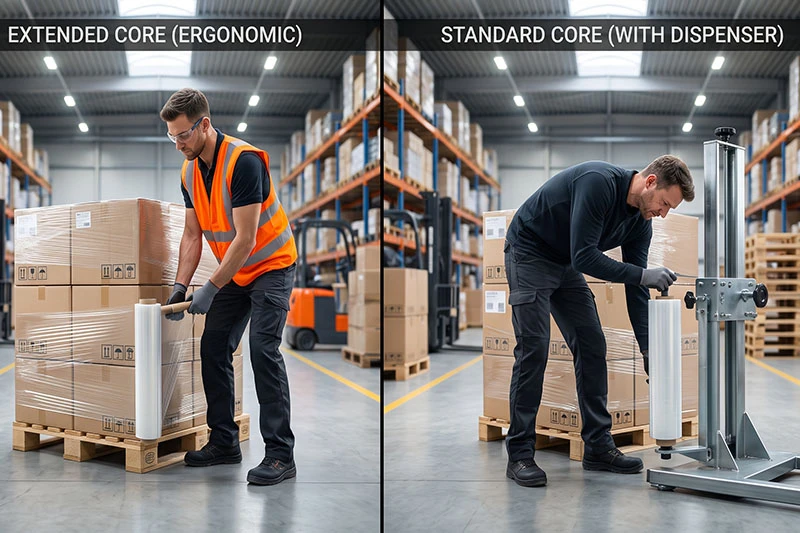
- Bottom Layer Securing: Wrapping the lowest 12 inches of a pallet typically forces an operator into forward lumbar flexion. Extended core handles provide lower physical gripping points, reducing the required bending angle.
- Tensioning Mechanics: Standard core rolls require either manual hand braking—which can cause friction burns without gloves—or external metal/plastic dispensers. Extended core rolls allow workers to control tension by squeezing the protruding paper core directly.
- Deadweight Management: Standard mechanical dispensers add 2 till 5 pounds of tare weight that operators must support through every rotation, compounding shoulder and upper back fatigue during extended shifts.

Technical Comparison: Core Designs and Tool Dynamics
Evaluating handsträckfilm formats requires understanding how physical core dimensions influence roll handling and hardware requirements.
| Evaluation Metric | Extended Core Hand Film | Standard Core (Flush 3-Inch) |
| Core Architecture | Cardboard core extends 1–2″ past film width | Flush core aligned with film edges |
| Dispenser Requirement | None (Ready to use out of box) | Required (Metal, plastic, or ring handles) |
| Tool Tare Weight | 0 lbs additional equipment | 2–5 lbs added dispenser weight |
| Low-Level Reach | Improved grip extension for bottom wraps | Restricted to dispenser handle configuration |
| Brake Mechanism | Direct manual grip friction on extended core | Mechanical friction brake or hand insert friction |
| Mobility & Setup | Instant deployment across dynamic workstations | Tied to dispenser availability and station location |
Biomechanical Impact: Posture, Grip, and Tool Weight
Lumbar Flexion at Base Wraps
To prevent transit shifting, pallet loads require at least two to three base wraps directly securing the freight to the wooden skid. Standard core rolls without long-handle dispensers require workers to stoop significantly. The extended cardboard core serves as an integrated reach extension, enabling operators to maintain a more upright posture and a safer center of gravity while anchoring base layers.
Upper Body Fatigue and Dispenser Mass
While standard tension dispensers provide uniform mechanical resistance, holding an auxiliary 3-to-5-pound metal frame creates continuous isometric strain on the forearms and deltoids. Extended core rolls eliminate external tool weight entirely. Workers only lift the actual weight of the stretch film and cardboard core, which reduces fatigue on high-reach top layers.
Wrist Torque and Grip Surface
Direct-grip extended cores transfer friction to the inner paper tube rather than the worker’s palms or gloves. Operators vary tension by applying hand pressure directly to the protruding ends. Conversely, bare standard core rolls (used without dispensers) generate hazardous frictional heat and force wrists into awkward, supinated angles to manage unrolling speed.
Operational Efficiency and Total Cost of Ownership (TCO)
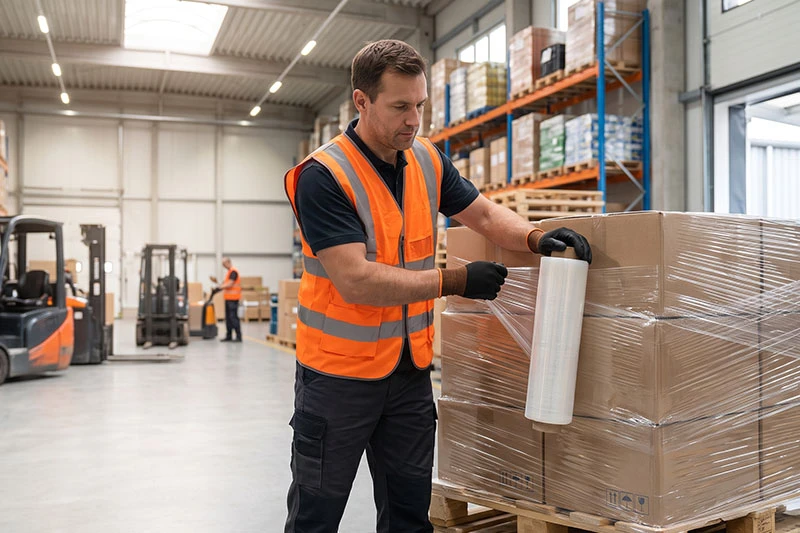
Selecting the right extended core stretch wrap involves balancing raw material pricing against labor speed and tool upkeep.
Equipment Overhead and Maintenance
Standard core operations incur hidden hardware costs:
- Tool Capital & Loss: Hand dispensers break, wear out tension bands, or get misplaced across large distribution centers, creating labor downtime while workers locate tools.
- Zero-Tool Workflows: Extended core rolls function out of the box. They are suited for multi-dock facilities, delivery drivers, and decentralized packing tables where maintaining dedicated dispensers is impractical.
Material Consumption and Core Tare
- Core Weight: Extended cores contain extra paperboard length, which slightly increases shipping tare weight per case compared to standard flush cores.
- Roll End Utilization: Because extended core film relies on manual grip tension rather than a locked mechanical brake, achieving maximum film elongation depends on operator technique. Facilities wrapping high daily volumes may experience minor yield variances compared to calibrated mechanical dispensers.
Selection Guide: Matching Core Type to Your Operation
Workflow Decision Framework:
├── Daily Pallet Volume per Station < 15-20 Pallets? ──► Choose Extended Core
├── Mobile/Decentralized Wrapping (Docks, Retail, Routes)? ──► Choose Extended Core
├── High-Volume Dedicated Wrapping Bays (> 25 Pallets/Day)? ──► Choose Standard Core + Ergonomic Dispenser
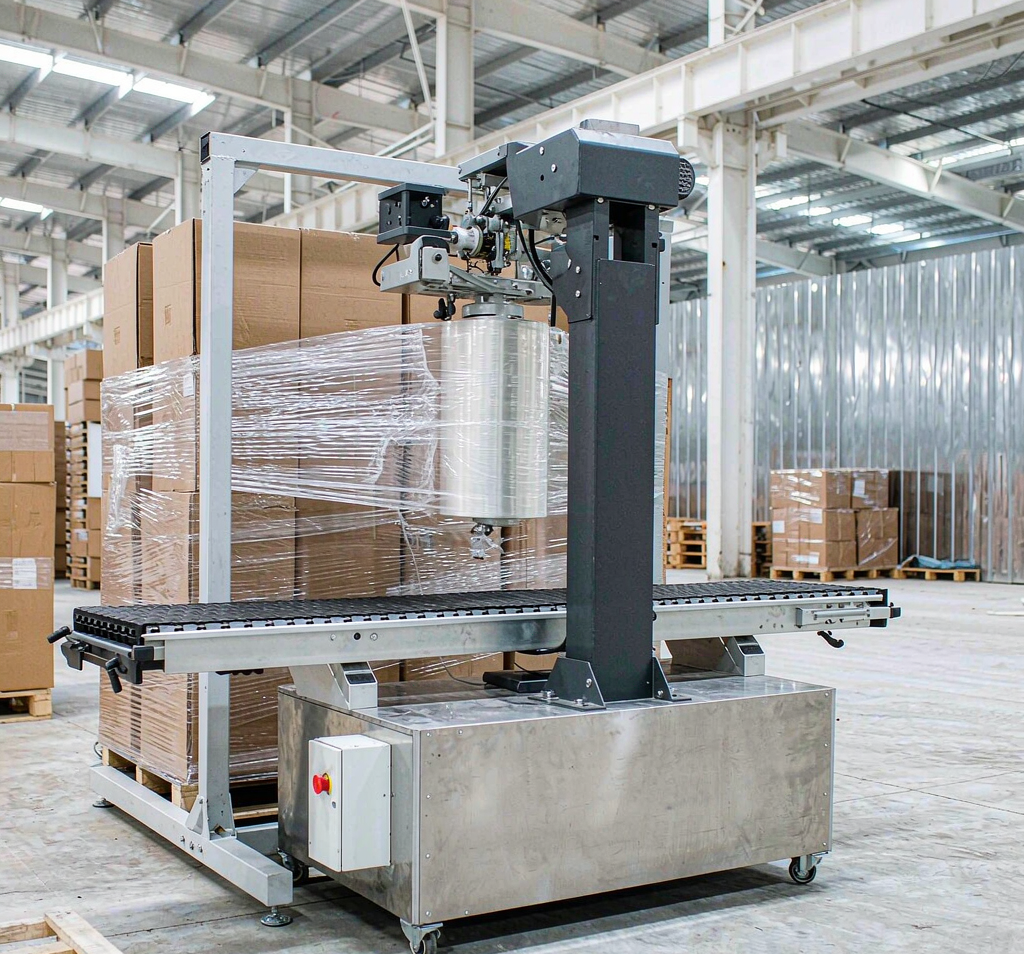
└── Irregular Heights Requiring Extreme Stretch Consistency? ──► Evaluate Turntable Machine Wrapping
When to Select Extended Core Film
- Decentralized Staging Areas: Outbound shipping docks where workers wrap pallets intermittently rather than at a fixed station.
- Field & Route Delivery: Logistics drivers who need to re-wrap split pallets at delivery points without carrying loose tools.
- Low-to-Medium Daily Volumes: Facilities wrapping 5 till 20 pallets per day per pack station, where dispenser capital and maintenance outweigh minimal yield gains.
- Tight Warehouse Aisles: Work environments where bulky dispenser handles catch on staging racks or neighboring freight.
When to Select Standard Core Film
- Dedicated High-Volume Manual Bays: Operations wrapping over 20 till 30 pallets per shift manually, where calibrated mechanical tension systems maximize film pre-stretch and yield.
- Standardized Height Pallets: Uniform loads wrapped using specialized long-reach ergonomic standard-core dispensers with pre-set friction brakes.
Key Takeaways
- Targeted Ergonomic Benefits: Extended core stretch wrap reduces lumbar flexion during bottom pallet wraps and eliminates 2 till 5 pounds of dispenser tool weight.
- Friction & Tension Control: Extended paper cores act as built-in heat shields and grips, allowing workers to modulate film tension without auxiliary handles or bare-hand friction burns.
- Operational Simplicity: Eliminating mechanical dispensers removes tool maintenance, replacement costs, and downtime spent tracking down missing equipment.
- Volume Considerations: Extended core provides superior agility for low-to-medium volume, mobile, or decentralized packing; standard core paired with mechanical dispensers remains effective for dedicated high-volume manual wrapping stations.
FAQ
Does extended core stretch film provide enough tension for heavy loads?
Yes. Operators generate holding force by squeezing the protruding cardboard core ends as the film dispenses. While high-tension consistency depends on operator effort, high-performance standard core hand film options or extended core variants both deliver industrial-grade load containment when wrapped using proper overlap techniques.
Are extended core tubes recyclable in standard cardboard waste streams?
Yes. The built-in handles are made from the same standard corrugated or spiral-wound paperboard as standard cores. Once the stretch film is consumed, the entire tube can be placed directly into industrial paper and cardboard recycling compactors without disassembly.
Can workers wrap pallets without wearing gloves when using extended core film?
While general warehouse safety standards recommend gloves, the extended core protects workers’ hands from direct contact with the spinning plastic film edges. The outer paper tube rotates freely or provides a stationary surface, significantly reducing friction heat compared to handling bare standard cores.